MENU: A·
B·
C·
D·
E·
F·
G·
H·
I·
J·
K·
L·
M·
N·
O·
P·
Q·
R·
S·
T·
U·
V·
W·
Z
|
Aus der Sicht der Bewusstseinsevolution ist Atheismus die Folge der Weigerung oder Unfähigkeit, die illusionäre Vorstellung aufzugeben, der narzisstische Kern des Egos sei souverän [herrschend] und die Quelle des eigenen Lebens und der Existenz.
Dr. David Hawkins, FU Truth vs. Falsehood, S. 356
|
|
Der erste Schluck aus den Becher der Naturwissenschaft führt zum Atheismus, aber auf dem Grund wartet Gott!
Werner Heisenberg, deutscher Quantenphysiker
|
1. Die Gretchenfrage in Deutschland – 1992-1996 (1970-2002)
Eine EMNID-Umfrage im Jahr 1996 ergab, dass nur noch
- 45 % der Deutschen "an Gott glauben",
- die übrigen 55 % der Deutschen sahen sich als
1992, nur vier Jahre zuvor, waren noch 50 % der Westdeutschen gottgläubig gewesen. Diese Daten weichen von den statistischen Erhebungen des Internationalen Bundes der Konfessionslosen und Atheisten (IBKA) zur Konfessionszugehörigkeit in Deutschland von 1970-2002 ab.
2. Die Gretchenfrage – Die Schere in den USA
|
- 85 % der US-amerikanischen Bevölkerung glauben an Gott – Statistische Werte nach 2000.
- Nur 7 % der Miglieder der National Academy of Science in USA glauben – laut einer Studie veröffentlicht in Nature 1998 – an einen persönlichen Gott oder ein Leben nach dem Tod. Larson, Edward J.; Witham, Larry (1998). Correspondence: Leading scientists still reject God, NATURE, 394 (6691): 313, 1998
- Laut Muskelmessung von D. Hawkins befindet sich nur 1 % der heutigen Naturwissenschaftler weltweit im Fassungsraum der Nichtlinearität gleich Spiritualität, welcher das Denkmodell der Kausalität übersteigt.
|
↑
3. Ergebnisse der Spiritualitätsstudie Deutschland 2007
Der Pressemitteilung zur Studie Spiritualität in Deutschland der Identity Foundation Düsseldorf im April 2007 ist zu entnehmen, dass
- Jeder zweite Deutsche glaubt, dass der Kosmos von einer geistigen Macht zusammengehalten wird.
- 15 % der Deutschen sind spirituelle Sinnsucher, die der Spiritualität eine sehr hohe Bedeutung zumessen.
- Der Anteil der Frauen liegt hierbei doppelt so hoch wie bei den Männern.
- 35 % der Deutschen sind Religiös Kreative.
- 10 % der Deutschen sind Traditionschristen.
- 40 % der Deutschen sind unbekümmerte Alltagspragmatiker (naturwissenschaftlich orientiert)
- 20 % der Deutschen bezeichnen sich nach eigener Aussage als Atheisten. (anteilig der Gruppe der Alltagspragmatiker)
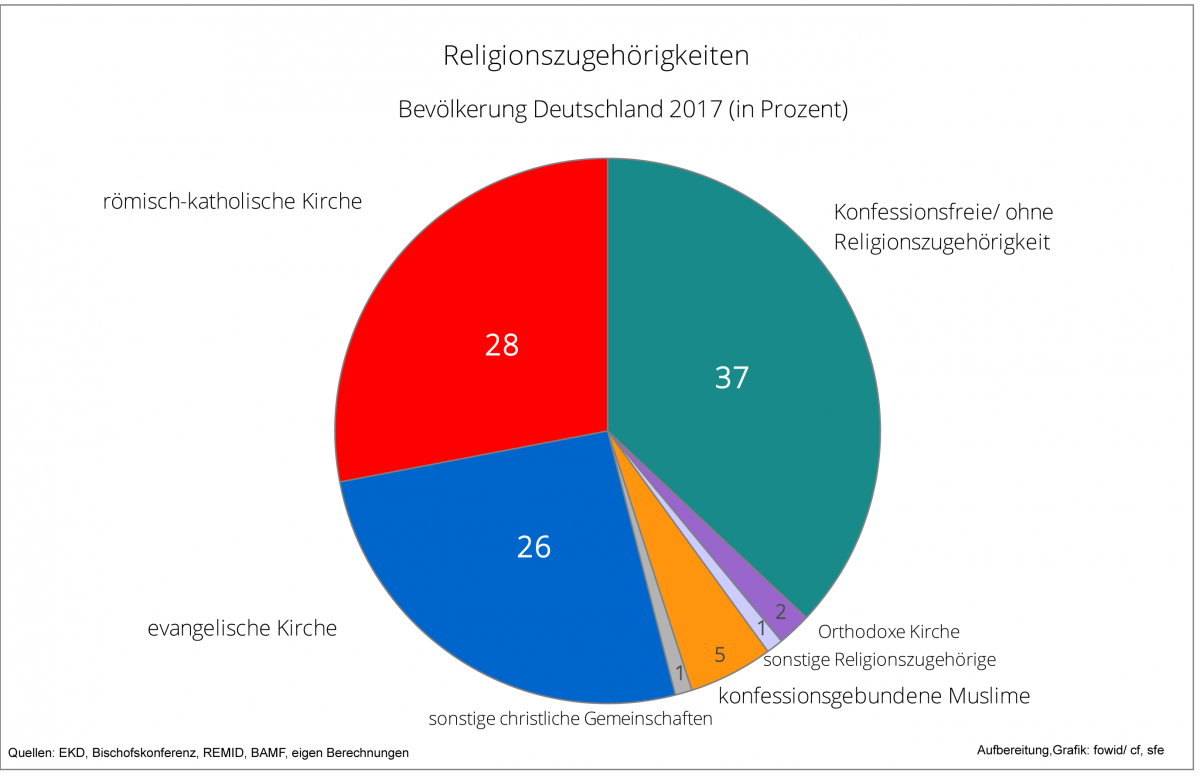
Siehe auch Neuere Statistiken
↑
>>> * <<<
4. Skrupelhafter Religionist → Passionierter Atheist → Forschender Agnostiker → Gelassener Erleuchteter
Ungeachtet seiner frühkindlichen Gotteserfahrung, seines Nahtoderlebens im Alter von 12-14 Jahren in der Schneewehe und nach einigen außerkörperlichen Eindrücken blieb Hawkins bis zum Tag seiner Erleuchtung ein passionierter Agnostiker, der sich dem Buddhismus zugewandt hatte. Er, der als Religionist im christlichen Kulturraum aufgewachsen war, lehnte die irreführenden, menschlich projizierten Gottesbilder ab, wie sie beispielsweise im Alten Testament präsentiert werden.
Er bekennt, dass während der Zeitspanne von 22 Jahren als Atheist und Agnostiker seine Notstandsemotionen Stolz und Verleugnung ihn zurückgehalten haben, sich Gott zuzuwenden, ungeachtet seiner offenbarenden geistigen Erlebnisse, die er schon von Kindesbeinen an wiederholt hatte.
↑
5. Die neo-atheistische Bewegung
Der bekennende polemisch agierende Atheist, Skeptiker, Bright und Biologe Richard Dawkins ist der Vordenker der Bewegung der "Neuen Atheisten" (NA), die dem Glauben den Kampf angesagt haben. Weitere Aktive sind Sam Harris und Alexander Smoltczyk. (Siehe Der Kreuzzug der Gottlosen im SPIEGEL 22/2007 mit dem Titel "Gott ist an allem schuld!'')
Die zehn Gebote der NA lauten:
- Du sollst nicht glauben.
- Du sollst dir kein Selbstbildnis machen und es Gott nennen.
- Du sollst keine Götter neben dir dulden.
- Du sollst keinen Schöpfer haben.
- Du sollst deine Kinder ehren und sie deshalb mit Gott in Frieden lassen.
- Sei gut auch ohne Gott.
- Du sollst keine anderen Götter neben der Wissenschaft haben.
- Liebe deinen Nächsten – ohne schlechtes Gewissen.
- Du sollst den Sabbat nicht ehren.
- Du sollst nicht knien als Schöpfer.
Quellen: Dokumentation: Die "Zehn Gebote" der neuen Atheisten, Hoffnung.de, 26. Mai 2007
angelehnt an das Original von Moses, 2. Moses 20, 1-17 Zehn Gebote (AT)
↑
6. Gottesferne ⇔ Gottesnähe (Übersicht) nach D. Hawkins
Frage: Gibt es Gott? Theist: Ja. Atheist: Nein. Agnostiker: Das ist nicht bekannt. |
Quellen: verschiedene, hauptsächlich Truth vs. Falsehood
↑
7. Zitate zum Thema Atheismus / Atheism
7.1 Zitate von D. Hawkins
|
Persönliche Bekenntnisse
- Jahre inneren Kampfes, Leidens und scheinbar nutzlosen spirituellen Strebens hatten schließlich zu einem Zustand schwarzer Hoffnungslosigkeit geführt. Selbst der Rückzug in den Atheismus hatte keine Befreiung von der ununterbrochenen Suche gebracht. Das All-sehende Auge, Kapitel 1, Prolog
|
- Ein Grund, weshalb Computerspiele so beliebt sind, ist, weil sie die Täuschung verstärken, die "Kontrolle zu haben" und folglich auch der Herrscher und "Kapitän der eigenen Seele" zu sein. FU Truth vs. Falsehood, S. 356
- Die Preisgabe der Illusion der Eigen-Herrschaft ist die Essenz der Erfahrung des "auf Grund Gehens", die umwandelnd ist und von Millionen Menschen bezeugt wird. Es ist auch die Krux eines wahren Bekehrungserlebnisses, wie auch eine entscheidende Folge einer Nahtoderfahrung. Seltsamerweise basiert der Atheismus auf Glauben, jedoch auf einem Glauben an Falschheit (das Ego, den Intellekt) und kann nicht überwunden werden, außer durch einen Akt des göttlichen Willens. FU Truth vs. Falsehood, S. 356
↑
7.2 Zitate (engl.) von D. Hawkins
|
Personal avowals
- I wouldn't trust someone who doesn't believe in God. They are accountable to nothing. Sedona Seminar The human dilemma, 21. July 2007
- One day I was walking through a field and out of nowhere I suddenly had this vision of the totality of the suffering of mankind throughout all the time. It was so profound and overwhelming that I immediately became an atheist. From a profound religionist I suddenly became an atheist. I can’t believe in a God that would allow the colossal totality of the suffering of mankind. [...]
I was as rabid an atheist as I was a rabid religionist. Then I graduated from atheism to agnosticism. Then I saw that the existence of God cannot be proven or disproven through the intellect in the first place. So I gave it up altogether. Later on I went into profound inner awareness. And the Reality of God is the very Source of my existence. Audio Interview with David R. Hawkins, presented by LA Talk Radio, Inside Out, host David Brown, minute 33:02-34:15, 60:25 minutes duration, Monday, 28. July 2008
|
- Atheism represents a belief system about religion and God that covers a wide spectrum. It is also characteristic of a phase of life, although in some people, it may be a life-long position. [...] The majority of atheistic positions calibrates very low. These range from ignorance and indifference to anger, resentment, and hatred of God by militant atheism at calibration level 25. If we ask what is the calibration of the karma of rebuking God or the great Avatars, the calibration levels are 20 to 40 [...]
The psychological matrix of atheism has been well described by Feuerbach and others as the rejection of the father figure, as was the case with Karl Marx [...] Disillusionment results in narcissistic resentment towards all authority figures. The psychology of atheism is well covered by Prof. Paul Vitz.
From the viewpoint of the evolution of consciousness, atheism results from the refusal or inability to let go of the illusion that the narcissistic core of the ego is sovereign and is the source of one's life and existence. [...] One reason computer games are so popular is that they reinforce the illusion of "being in control" and thus sovereign and the "captain of one's soul". [...]
The relinquisment of the illusion of self-sovereignty is the essence of the "hitting bottom" experience that is transformative and to which millions of people testify. It is also the crux of a true conversion experience, as well as a major consequence of the near-death experience. Curiosly, atheism is based on faith, but on faith in falsity (the ego, intellect) and cannot be overcome except by an act of Will. Truth vs. Falsehood, S. 355-356
- From the viewpoint of the evolution of consciousness, atheism results from the refusal or inability to let go of the illusion that the narcissistic core of the ego is sovereign and is the source of one's life and existence. Truth vs. Falsehood, S. 361
- The karma of atheism as hatred of God, or denunciation of Divinity itself, all calibrate at very serious levels of 40-70, thus indicating a very dire spiritual destiny that calibrates at the lower astral level of Hells. (Calibrates as “true.”) FU Truth vs. Falsehood, S. 388
Note: Atheism as an intellectual/philosophical position calibrates at LoC 165-190 – at the level of (intellectual) pride.
↑
7.3 Zitate von anderen Quellen
Denn der Gottlose rühmt sich seines Mutwillens, und der Habgierige sagt dem Herrn ab und lästert ihn. Der Gottlose meint in seinem Stolz, Gott frage nicht danach. »Es ist kein Gott« sind alle seine Gedanken. Psalm 10, 3-4 (AT)
Ein Psalm Davids, vorzusingen. Die Toren sprechen in ihrem Herzen: Es ist kein Gott. Psalm 14, 1 (AT)
- Das Auge, der Flügel eines Schmetterlings genügen, um einen Gottesleugner zu vernichten. Denis Diderot, französischer Schriftsteller, Philosoph
- Atheismus ist ein notwendiger Protest gegen die Gottlosigkeit der Kirchen und die Enge ihrer Dogmen. Gott benutzt ihn als Stein um diese beschmutzten Kartenhäuser zu zerstören. Sri Aurobindo (1872-1950) indisch-britischer Philosoph, Mystiker BW 605
- In den äußersten Zuständen des Schwankens bin ich niemals ein Atheist in dem Sinne gewesen, dass ich die Existenz eines Gottes geleugnet hätte. Charles Darwin, britischer Evolutionstheretiker BW 450
- Jedem tiefen Naturforscher muss eine Art religiösen Gefühls naheliegen, weil er sich nicht vorzustellen vermag, dass die ungemein feinen Zusammenhänge, die er erschaut, von ihm zum ersten Mal gedacht werden. Im unbegreiflichen Weltall offenbart sich eine grenzenlos überlegene Vernunft. […] Die gängige Vorstellung, ich sei ein Atheist, beruht auf einem großen Irrtum. Wer sie aus meinen wissenschaftlichen Theorien herausliest, hat sie kaum begriffen. Albert Einstein, Physiker, Physik-Nobelpreisträger BW 499
- Der Atheist ist das größte Kompliment, das Gott sich selbst zollt: Er schafft ein Wesen, das stark genug ist, von ihm abzusehen. Ernst Wilhelm Eschmann (1904-1987) deutscher Schriftsteller
- Wer Gott definiert, ist schon Atheist. Oswald Spengler (1880-1936) deutscher Geschichtsphilosoph, Von der Religion
- Es gibt nichts, was die Vorstellung von einem persönlichen Gott unterstützen könnte. Ich bin Atheist. Es gab große Evolutionsbiologen, die an Gott geglaubt haben. Aber ich habe nie verstanden, wie man im Gehirn zwei völlig getrennte Fächer haben kann, und in einem liegt die Wissenschaft und im anderen die Religion. Ernst Mayr
- Als junger Mann war ich praktizierender Atheist. Die Erforschung des Universums hat mir gezeigt, dass die Existenz von Materie ein Wunder ist, das sich nur übernatürlich erklären lässt. Allan Sandage, Astronom, auch genannt "Mister Cosmology"
- Das Universum, das wir beobachten, hat genau die Eigenschaften, mit denen man rechnet, wenn dahinter kein Plan, keine Absicht, kein Gut oder Böse steht, nichts außer blinder, erbarmungsloser Gleichgültigkeit'. Richard Dawkins, britischer Biologe, militanter Atheist, Und es entsprang ein Fluß in Eden, S. 151, 1996
↑
7.4 Zitate (engl.) von anderen Quellen – Personal avowals / Persönliche Bekenntnisse
- I'm not an atheist. I don't think I can call myself a pantheist. The problem involved is too vast for our limited minds. We are in the position of a little child entering a huge library filled with books in many languages. The child knows someone must have written those books. It does not know how. It does not understand the languages in which they are written. The child dimly suspects a mysterious order in the arrangement of the books but doesn't know what it is. That, it seems to me, is the attitude of even the most intelligent human being toward God. We see the universe marvelously arranged and obeying certain laws but only dimly understand these laws. Albert Einstein, quoted from Walter Isaacson, Einstein. His Life and Universe, Simon & Schuster, Inc., April 2007
Walter Isaacson, Albert Einstein on God, YouTube film, 4:56 minutes duration, posted 1. Mai 2009
- There are people who say there is no God. But what makes me really angry is that they quote me for support of such views. [telling a friend]]
The fanatical atheists are like slaves who are still feeling the weight of their chains which they have thrown off after hard struggle. They are creatures who – in their grudge against traditional religion as the 'opium of the masses' – cannot hear the music of the spheres. [in a letter]
What separates me from most so-called atheists is a feeling of utter humility toward the unattainable secrets of the harmony of the cosmos. Albert Einstein, quoted from Walter Isaacson, Einstein. His Life and Universe, Simon & Schuster, Inc., 2007
- I am fascinated by Spinoza's pantheism, but I admire even more his contribution to modern thought because he is the first philosopher to deal with the soul and body as one, and not two separate things. Albert Einstein, quoted from Walter Isaacson, Einstein. His Life and Universe, Simon & Schuster, Inc., 2007
- When I was younger I was totally allergic to what I saw as religion: Judaism and even worse, Christianity – it was my enemy. But I loved nature, and for me nature was sacred. I didn't use that word, but it made me quiet; it made me feel a sense of something greater than myself; it made me wish to serve something. So I was an atheist, but I recall it as spiritual – a spiritual atheism. […]
1962 I was hired at San Francisco State and I was obliged to teach a course called the History of Western Religious Thought. For me I had no desire to teach anything like that. I was totally allergic to religion. But I had training as a philosophy student, a grad student, a PhD. […] I was willing to undertake preparing myself to teach such a course. Philosophers generally don't want to come anywhere near that kind of stuff – nor did I. But I honorably tried to prepare myself. […] So more and more I got deeply interested in religion because I had to teach it. And then I got personally interested in my own personal, spiritual search […] I appreciated and understood religion – because it was damned interesting, and it was philosophically honorable. I defended Judaism, I defended Christianity. I gave lectures on it. I wrote books and I could explain it. But down deep I still didn't believe that this idea of God corresponded to something out there, really. Or in here – either way. […] It was only when I experienced it as part of me that I saw that it was true. Interview with Jacob Needleman, US American professor for philosophy at UCSF, How Does an Atheist Come to Believe in God?, presented by Religion dispatches, Lisa Webster, pg. 1, 28. January 2010
- Atheism is a belief. I am not an atheist. […] I don't believe in religion. George Carlin (1937-2008) controversial US American comedian, Talkshow Larry King Live, host Larry King, June 2001, Bill Maher remembers George Carlin, part 1, YouTube clip, minute 2:40 and 8:32, posted 3. July 2008
7.5 Zitate (engl.) von anderen Quellen
- What I have done is to show that it is possible for the way the universe began to be determined by the laws of science. In that case, it would not be necessary to appeal to God to decide how the universe began. This doesn't prove that there is no God, only that God is not necessary. Stephen W. Hawking, agnostic, Der Spiegel, 1989
Comment: Hawking defines "God" as "principle of harmony and order". [Übersetzt: Hawking definiert "Gott" als "Prinzip von Harmonie und Ordnung".]
- Whoever abhors the name and fancies that he is godless — when he addresses with his whole devoted being the Thou of his life that cannot be restricted by any other, he addresses God. Martin Buber, I and Thou, 1923
- The atheist staring from his attic window is often nearer to God than the believer caught up in his own false image of God. Martin Buber
- It is very easy to be an atheist when you’re successful, but it’s very difficult to be an atheist when you’re lying on your death bed. Dr. Donald Whitaker, near-death survivor, former avowed atheist
- There are no atheists in foxholes. US American phrase used in the film Wake Island, 1942, credited to Ernie Pyle, journalist, Lieutenant-Colonel William J. Clear, and Lieutenant-Colonel William Casey
↑
8. Englische Texte – English section on Atheism
8.1 Gibt es Gott – Is there a God?
| Atheist | Tell me. Is there a God – really? |
| Master | If you want me to be perfectly honest with you, I will not answer. |
| Disciples [later] | Why did you not answer him, Master? |
| Master | Because the question is unanswerable. |
| Disciples | So you are an atheist? |
| Master | Certainly not. The atheist makes the mistake of denying that of which nothing may be said [...] and the theist makes the mistake of affirming it. |
Anthony de Mello SJ (1931-1987) Indian Catholic Jesuit priest, psychotherapist, spiritual leader, One Minute Nonsense, pg. 21, 1992
|
↑
9. Index: Atheismus – Agnostizismus / Atheism – Bücher von D. Hawkins
- Buch 2, Agnostiker, S. 455(2x)
- Buch 3, Agnostiker, S. 18, 207(3x); Agnostizismus, S. 482
Englische Werke
↑
9.1 Index: Audio- und Videomedien (engl.) von und mit D. Hawkins
↑
10. Links zum Thema Atheismus / Atheism
10.1 Externe Weblinks
↑
10.2 Externe Weblinks (engl.)
↑
10.3 Audio- und Videolinks
↑
10.4 Audio- und Videolinks (engl.)
- TV interview with Daniel Dennett, philosopher, author of Breaking the Spell, Tufts University, Bright [new term for atheists], host Bill Moyers, YouTube film, 57:07 minutes duration, posted 24. August 2007
- Video presentation by Walter Isaacson, author of Einstein. His Life and Universe, Simon & Schuster, Inc., April 2007, Albert Einstein on God, YouTube film, 4:56 minutes duration, posted 1. Mai 2009
↑
10.5 Interne Links
Wiki-Ebene