SpiritualWiki

Hawkins / Gott

GOTT BW Unendlich

Denn Gottes unsichtbares Wesen, das ist seine ewige Kraft und Gottheit,
wird ersehen seit der Schöpfung der Welt und wahrgenommen an seinen Werken,
so dass sie keine Entschuldigung haben.

Paulus, Römer 1, 20 (NT)


Statistisches zu GOTT

Eine EMNID-Umfrage von 1996 ergab, dass nur noch 45 % der Deutschen "an Gott glauben", die übrigen sahen sich als Agnostiker ("weiß es nicht") oder Atheisten ("glaube nicht an Gott"). 1992 waren noch 50% der Westdeutschen gottgläubig gewesen. Dies sind abweichende Daten von den statistischen Erhebungen des Internationalen Bundes der Konfessionslosen und Atheisten (IBKA) zur Konfessionszugehörigkeit in Deutschland 1970-2002.

Nach einer im März 2009 veröffentlichten repräsentativen Umfrage unter 54.461 Amerikanern sahen sich 76 Prozent des US-Bürger als Christen ein. 15 Prozent bezeichneten sich als Nichtgläubige.
1990 waren es 86 Prozent Christen und 8,2 Prozent Nichtgläubige.

Aussagen zu GOTT

GOTT, der Schöpfer, der sich in der evoluierenden Schöpfung ausdrückt, ist eine absolute Konstante, unveränderlich-veränderlich. Die menschliche Erfahrung der An-Wesenheit Gottes ist in allen Zeitaltern, kulturellen Gegebenheiten und an allen Orten gleichbleibend.

In Das All-sehende Auge, Kapitel 10 Die Natur GOTTES und in Buch 3, 23 Aussagen über GOTT sind direkte, klare Aussagen über GOTT zu finden, deren Trefflichkeit jeweils mit Gruppen von zirka 100 kinesiologischen Testpaaren bestätigt (nachgemessen) wurde.

GOTT ist selbst-offenbarend und jenseits aller Form, jedoch allgegenwärtig und in jeder Form enthalten. GOTT ist Schweigen, Stille, Heiterkeit, Friede, bewegungslos, allumfassend, überall anwesend, allwissend, da er ALLES ist, WAS IST. Hawkins, Das All-sehende Auge, S. 231

Einer der schnellsten Wege zu Gott ist, einem plötzlichen Tod ins Auge zu sehen. Fast alle Überlebenden von Katastrophen berichten, dass sie gebetet haben.

One of the quickest ways to God is to face sudden death. Survivors of catastrophes will almost always say that they prayed. Sedona Seminar Transcending Obstacles, September 2005


Gottesbilder und Bewusstseinsebenen

Die Gottesbilder des Menschen verschieben sich im Laufe der Evolution in Form einer Projektion des Menschen auf Gott – als Ausdruck dessen, welche Art von Zugang dem Menschen zum SELBST, zu Allem, zur Verfügung steht. Die Verschiebung der Gottesbilder schreitet von der Vorstellung:

  1. eines schmähenden Gottes ⇒
  2. einem rachsüchtigen Gott ⇒
  3. einem verdammenden Gott ⇒
  4. einem gefühllosen Gott ⇒
  5. einem strafenden Gott ⇒
  6. einem leugnenden Gott ⇒
  7. einem nachtragenden Gott ⇒
  8. einem gleichgültigen Gott ⇒
  9. einem erlaubenden Gott ⇒
  10. einem befähigenden Gott ⇒
  11. einem inspirierenden Gott ⇒
  12. einem barmherzigen Gott ⇒
  13. einem allwissenden Gott ⇒
  14. einem allliebenden Gott ⇒
  15. einem allmächtigen, ALLeinigen Gott ⇒
  16. einem allgegenwärtigen, ALLseienden Gott ⇒
  17. zum Allverbundenem innewohnenden SELBST.


The God images created by men go through stages of evolution. They represent a projection directed to God – an expression of the access to self or SELF, to All-There-Is, which is presently available to the individual.
While shifting their respective God images humans are led to formulate following God images in their imagination:

  1. a reviling God ⇒
  2. a vindictive God ⇒
  3. a condemnatory God ⇒
  4. an uncaring God ⇒
  5. a punishing God ⇒
  6. a repudiating God ⇒
  7. a resentful God ⇒
  8. an indifferent God ⇒
  9. an allowing God ⇒
  10. an empowering God ⇒
  11. an inspiring God ⇒
  12. a merciful God ⇒
  13. an omniscient God ⇒
  14. an omniloving God ⇒
  15. an almighty, ALL-one God ⇒
  16. an omnipresent, ALL-being God ⇒
  17. an omnipervasive immanent SELF.


Aussagen, was GOTT ist

Hawkins sagt, dass es von großer Bedeutung ist, zu wissen, was GOTT nicht ist, da in der Menschheitsgeschichte Völker und Nationen infolge von unzutreffenden Gottesbildern in die Irre geführt oder gar ausgelöscht worden sind. Laut Hawkins ist das kinesiologiche Testen von Wahrheitsebenen ein wertvolles Werkzeug zur Unterscheidung (der Geister).

GOTT ist nicht koabhängig oder neurotisch und leidet nicht unter einer paranoiden Psychose von Größenwahn.
Hawkins, Das All-sehende Auge, S. 223
  • GOTT ist überall anwesend, total und absolut vollständig.
  • GOTT steht mit seiner Gegenwart jedem zu jeder Zeit zur Verfügung.
  • GOTT ist jenseits von Wahrnehmung, Dualität und Gegensätzen wie gut und böse, richtig oder falsch.
  • GOTT ist manifest als Gesamtheit und Allheit der Schöpfung und zugleich unmanifest als die Gottheit, das UNENDLICHE POTENTIAL und die Quelle der "Leerheit" vor der Form.
  • GOTT ist unendlich.
  • GOTT ist jenseits von Zeit und Darstellungen von Raum und Örtlichkeiten, ohne Anfang oder Ende.
  • GOTT ist allgegenwärtig, allmächtig und allwissend.
  • GOTT ist die Quelle und das Substrat des Bewusstseins, des Gewahrseins, des Wissens und der Empfindung.
  • GOTT ist die einzige Quelle der Lebensenergie.
  • GOTT ist die Quelle der Evolution und Schöpfung, die beide identisch sind.
  • GOTT ist die Quelle und die Gegenwart von Frieden, Liebe, Stille und Schönheit.
  • GOTT ist die Quelle der Existenz und die Möglichkeit des Seins.
  • GOTT ist der endgültige Kontext, dessen Inhalt das Universum und alles Existierende ist.
  • GOTT ist von vornherein die formlose Quelle der Existenz innerhalb aller Formen.
  • GOTT ist die Quelle und Essenz des subjektiven Zustandes der "Ichheit", die Erleuchtung genannt wird.
  • GOTT ist die radikale Subjektivität der Selbst-Verwirklichung.
  • GOTT ist immanent und transzendent erkennbar.
  • Die Erfahrung der Gegenwart GOTTES ist zu allen Zeitaltern, in allen Kulturen und an allen Orten die gleiche.
  • Die Wirkung der Erfahrung der Gegenwart GOTTES auf das menschliche Bewusstsein ist subjektiv umwandelnd und gleichbleibend im Verlauf der menschlichen Geschichte. Sie hinterlässt ein zeitloses Zeichen, das nachweisbar ist als Messwert einer aufgezeichneten Bewusstseinsebene.
  • Die Reinheit der Gegenwart GOTTES ist traditionsgemäß die Essenz der unfassbaren Eigenschaft des Heiligen und die Basis des Wortes "heilig". Das Inhaltslose entspricht der Arglosigkeit.
  • Wenn die Hindernisse menschlicher Gedankenprozesse und Gefühlsprozessee und der Egostrukturen, aus denen sie hervorgehen, überwunden sind, erstrahlt das SELBST des immanenten GOTTES aus sich heraus, so wie die Sonne scheint, sobald die Wolken aufgelöst sind.
  • GOTT ist der Kontext und die Quelle der karmischen Einheit der ganzen Schöpfung jenseits aller wahrnehmungsbedingten Beschreibungen oder Begrenzungen wie Zeit oder Raum.
  • Wahrheit ist nur nachvollziehbar, indem man identisch mit ihr ist, nicht, indem man etwas über sie weiß.


Aussagen, was GOTT nicht ist

  • Die Existenz GOTTES beinhaltet keine menschliche Schwächen wie Parteilichkeit, Wunsch nach Kontrolle, Günstlingswirtschaft, Dualität, Abwertung, Wut, gerechten Zorn, Groll, Begrenztheit, Willkür, Eitelkeit, Rache, Eifersucht, Vergeltungssucht, Verletzlichkeit oder Ortsgebundenheit.
  • GOTT ist nicht rachsüchtig, zornig, strafend, neidisch, eifersüchtig.
  • GOTT ist überall, nicht auf einen Ort oder auf einen entfernten Himmel zu beschränken.
  • GOTT lässt sich nicht teilen.
  • GOTT behält seine Liebe nicht bestimmten Menschen vor.
  • GOTT ist nicht auf Streicheleinheiten oder Komplimente angewiesen.
  • GOTT ist nicht anfällig für emotionale Verstimmung.
  • GOTT kann nicht manipuliert werden.
  • GOTT hat keine Bedürfnisse oder Wünsche.
  • GOTT ist nicht traurig, wenn man nicht an ihn glaubt.
  • GOTT ist nicht mit Ratio und Intellekt zu beweisen.
  • Die Vielfalt der Darstellungen des Göttlichen spiegelt die Vielfalt der menschlichen Wahrnehmung wider und die Übertragungen der durch das Ego verzerrten Perspektiven.
Hawkins, Das All-sehende Auge, Kapitel 10 „Die Natur Gottes“, Licht des Alls 23 Aussagen über Gott


Biblische Aussagen über Gott

  • Gott sprach zu Mose: »Ich bin, der ich bin!« 2. Mose 3, 14
  • Gott ist Geist, und die ihn anbeten, müssen ihn im Geist und in der Wahrheit anbeten. Johannes 4, 24
  • Gott ist Licht. 1. Johannes 1, 5
  • Gott ist Liebe; und wer in der Liebe bleibt, der bleibt in Gott und Gott in ihm. 1. Johannes 4, 16
  • Ich bin das Alpha und das Omega, spricht der Herr, Gott, der ist und der war und der kommt, der Allmächtige. Offenbarung 1, 6; NT


Auszüge aus den 23 Aussagen über Gott

  • 1. GOTT ist manifest als Gesamtheit und Allheit der Schöpfung und zugleich unmanifest als die GOTTheit, das unendliche Potential und die Quelle der "Leerheit" vor der Form.
  • 2. GOTT ist unendlich. GOTT ist jenseits von Zeit und Darstellungen von Raum und Örtlichkeiten, ohne Anfang oder Ende.
  • 3. GOTT ist allgegenwärtig, allmächtig und allwissend.
  • 7. GOTT ist die Quelle und die Gegenwart von Frieden, Liebe, Stille und Schönheit.
  • 9. GOTT ist die Quelle der Existenz und der Möglichkeit des Seins.
  • 14. GOTT ist die radikale Subjektivität der Selbst-Verwirklichung
  • 15. GOTT ist immanent und transzendent erkennbar.
  • 16. Die Erfahrung der Gegenwart GOTTes ist zu allen Zeitaltern, in allen Kulturen und an allen Orten die gleiche.
  • 18. Die Existenz GOTTes beinhaltet keine menschliche Schwächen wie Parteilichkeit, Wunsch nach Kontrolle, Günstlingswirtschaft, Dualität, Abwertung, Wut, gerechten Zorn, Groll, Begrenztheit, Willkür, Eitelkeit, Rache, Eifersucht, Vergeltungssucht, Verletzlichkeit oder Ortsgebundenheit.
  • 22. GOTT ist der Kontext und die Quelle der karmischen Einheit der ganzen Schöpfung jenseits aller wahrnehmungsbedingten Beschreibungen oder Begrenzungen wie Zeit oder Raum. Licht des Alls, Zehn FU Beispiele aus 23 Aussagen über Gott, Kapitel 10, Die Natur Gottes, S. 233-236


  • The absolute truth of these statements about the Reality of Divinity was publicly corroborated on July 13, 2002, before an audience of over two hundred people during a public lecture. The audience divided into one hundred kinesiologic teams. The truth of each statement was then tested by the whole audience simultaneously. The confirmation of each statement was one hundred percent (calibrated level 1,000), and the procedure was videotaped. The purpose was to present credible documentation of Truth in today's world. I. Reality and Subjectivity , 23 statements on God, chapter 10, Reality of Divinity
  • 10. God is the ultimate context of which the universe and all existence is the content. I. Reality and Subjectivity, 23 statements on God, chapter 10, Reality of Divinity, S. 163
  • 20. The purity of the Presence of God is traditionally the essence of the ineffable quality of holiness and is the basis for the descriptive term 'sacred'. That which is devoid of content is the equivalent of Innocence. I. Reality and Subjectivity, 23 statements on God, chapter 10, Reality of Divinity, S. 164
  • To be able to address the Absolute Reality, an adequate theology has to be very erudite in its epistemology. I. Reality and Subjectivity, S. 87

Reality of Divinity, 23 Aussagen über Gott, Reality of Divinity,
entnommen aus dem engl. Original I. Reality and Subjectivity, VictoriaBenda.com


Der neurobiologische Gottesnachweis

Aus der auffälligen Inaktivierung des Orientierungs-Assoziations-Areals (OAA), die während der Meditation zu beobachten ist, hat Andrew Newberg den Schluss gezogen, dass im Moment höchster religiöser Versenkung die Grenze zwischen Ich und Welt verschwindet und der natürliche Bezug zu Raum und Zeit verloren geht. Damit scheint die neuronale Basis für jene inneren Erlebnisse identifiziert, von denen die Mystiker unterschiedlichster religiöser Traditionen berichten: ozeanische Gefühle der Versenkung, Entgrenzung und Aufhebung des Ichs und des eigenen Körpers, Erfahrungen der Einheit mit einer größeren, umfassenden Wirklichkeit. Alle diese Erlebnisse erscheinen nun verständlich und erklärbar als Resultat einer durch Meditation selbst induzierten Deaktivierung des Orientierungsfeldes im posterioren superioren Parietallappens. Der Beweis scheint erbracht, dass es sich bei mystischen Erlebnissen nicht um Halluzinationen, sondern um biologisch nachweisbare Tatsachen handelt.

Quelle: Gott im Gehirn, Thomas M. Schmidt, HSK Wiesbaden Abt. Neurochirurgie


Zitate von D. Hawkins zu Gott

Persönliches Bekenntnis

  • Nach einer langen kreisenden Reise im Reich des Geistes kehrte ich zur wichtigsten Aufgabe zurück, nämlich die An-Wesenheit [GOTTES], die mein Leben bewegt hat, so vielen meiner Mitwesen, die ich möglicherweise erreichen kann, wenigstens ein wenig näher zu bringen. FU Power vs. Force, S. 301

  • Um die Natur Gottes zu verstehen, muss man lediglich die Natur von Liebe selbst erkennen. Liebe wirklich zu erkennen, bedeutet, Gott zu erkennen und zu verstehen. Und Gott zu erkennen, bedeutet, Liebe zu verstehen. OU Das All-sehende Auge, S. 141
  • Die Erkenntnis und das Wissen um GOTT sind rein und radikal subjektiv. Es gibt nicht einmal die hypothetische Möglichkeit, dass Vernunft zur Wahrheit gelangen könnte. Wahrheit kann man nur kennen aufgrund der Identität, mit der man sie ist. Licht des Alls, S. 432


Dr. Carl Jung stated that there are two Gods, a God of Heaven and a God of Earth, who are one and the same.

Zitate (engl.) von D. Hawkins zu Gott / God

  • The human experience of the Presence of God is the same in all ages, all cultures and all localities.

  • The presence of God is like an enormous electromagnetic field of such enormous power that it keeps together the entire universe, every atom, every molecule. CD Serie The Highest Level of Enlightenment, CD 1 von 6, Spur 5
  • Picture God as a giant electromagnetic field, who’s power is infinite, without parts, without neuroses, without psychosis. Not the God of the old testament at all, but the infinite source of all creation. CD Serie The Highest Level of Enlightenment, CD 2 von 6, Spur 2
  • God is both manifest as the Totality and Allness of Creation and simultaneously unmanifest as the Godhead, the Infinite Potentiality and source or 'void-ness' prior to form. I. Reality and Subjectivity
  • The effect on human consciousness of the experience of the Presence of God is subjectively transformative and identical throughout human history. It leaves a timeless mark that is verifiable as a calibration of a recorded level of conciousness. I. Reality and Subjectivity
  • Neither God nor Truth can be found within the limitation of content only for, by simple observation, content is only definition or description whereas context supplies meaning, significance, and concordance with the reality of existence itself. This is important to comprehend not only in spiritual work but also in everyday social and political policies. I. Reality and Subjectivity, S. 221
  • God is All That Is – without any exclusion – sight, sound, space, objects, form, formless, visible, invisible, solid, liquid, without dimension or location, and everywhere equal. There is no opposite to God. God is both Allness and voidness, equally form and nonform. The Eye of the I, Kapitel 13
  • All things are God. Everything is God. All is God. There is nothing but God. Period. [...] When you look for God, that's all there is. So then it dawns on you one day, when you´re looking at things [...] the essence of Divinity shines forth. Sedona Seminar Practical Spirituality, 25. Oktober 2008
  • The Light of God is Consciousness. [calibrated as true] Sedona Satsang, 8. November 2008
  • Consciousness is the Mind of God. [calibrated as true] Sedona Satsang, 8. November 2008
  • The radiance of God is the light of awareness that reveals the divinity of all that exists. In the stillness of the Infinite Presence, the mind is silent as there is nothing that can be said; all speaks of itself with completeness and exactitude. With this realization one transcends the final duality of existence versus nonexistence because only existence is possible. The opposite of Truth does not exist because Reality excludes nonreality. In this realization resides the peace of God. The Eye of the I, S. 118
  • There is absolutely nothing in ordinary human experience to compare with the joy of the presence of the Love of God. No sacrifice is too great nor effort too much in order to realize that Presence. The Eye of the I, S. 289
  • Be passionate for God, not for belief systems. That is the only real decision that has to be made and can be applied to any and all situations. The question is always whether to be at the effect of the world or aligned with the Truth of God instead. The search for enlightenment is different from that of seeking worldly success. I. Reality and Subjectivity, S. 355
  • The experience of the presence of God is available and within at all times, but awaits choice. That choice is made only by surrendering everything other than peace and love to God. In return, the divinity of the Self reveals Itself as ever present but not experienced because it has been ignored or forgotten, or one has chosen otherwise. The Eye of the I, S. 48
  • Like springtime, the promise of a new era in man's understanding of God is emerging. Now the level of consciousness of mankind is high enough to be able to recognize the truth of a God of Love instead of worshipping the god of guilt and hate. The Eye of the I, S. 76
  • The true destiny of man is to realize the truth of the divinity of one’s source and creator which is ever present within that which has been created and is the creator—the Self. The Eye of the I, S. 87
  • To understand the nature of God, it is necessary only to know the nature of love itself. To truly know love is to know and understand God; and to know God is to understand love. The Eye of the I, S. 88
  • The collective power of the Divinity within each and every one of us, expressed as Love, will have a profound influence. That is for certain. To deny it is to deny your own reality. It is to say I am only a weak ego and I have no influence in this world. I am just a nothing. I am just a toad. No, that is not so. Each one of us here reflects the divinity of God. […] the joy of one's existence is the joy of this awareness. Sedona Seminar Undoing the Barriers to Spiritual Consciousness, Volume V, Video/DVD, 2000
  • It is important to recognize that that which is beyond form is not reached through form or by the manipulation of form. Therefore, involvement in esoteric or occult practices is a snare and a delay. These practices are byways which lead to astral planes, enthusiasts, and proselytizers, all of which are endless in number. There is no power in geometric figures, mandalas, icons, paintings, statues, or recitations. Any value that ensues is by the intention, dedication, commitment, and faith of the seeker. The world is full of well-intentioned but naive reciters of mantras, lightworkers, worshippers of sacred objects, amulets, charts, holy places, Druid remains, mystical charms, and sites for pilgrimage, such as Machu Pichu, Stonehenge, the pyramids, the Ganges, ancient temples, energy vortices, and all the rest. This could be called 'making the circuit', but eventually, one has to go within. Heaven is within you, said the Lord, Jesus Christ. The Eye of the I, S. 156
  • If you look at God as a great Father or great Mother, than S/He would delight in your enlightenment. God experiences the joy of His own Divinity, is both the pathway and the destination, both the traveller and the destination. Sedona Satsang Q&A, Teil 2 von 2, 10. Januar 2007
  • All things are God. [calibrated as true] Sedona Seminar Practical Spirituality, 25. Oktober 2008
  • Question: How do I return to GOD?
    Answer: You have to wait until conditions are right. An archangel does not get to LoC 60,000 by skipping lifetimes. Your lifetime is not wasted. It takes time to learn to be at peace inside and still let the persona interact with the world. You are complete and whole inside and at the same time gathering information. Sedona Satsang Q&A, 10. Januar 2007

  1. God is the absolute subjectivity that underlies existence and the capacity for awareness.
  2. God is beyond all time, place, or human characteristics.
  3. All the descriptions of the Ultimate Reality by enlightened beings throughout history have been identical.
  4. There is only one Supreme Reality. I. Reality and Subjectivity, paragraph 2, S. 3

God Immanent

  • The Absolute Reality of the Self is the manifestation of God as the very core of one's existence. The love of the Presence is ultrapersonal and experienced as infinite peace, infinite security, and the safety of foreverness so that there is no imaginary 'end' to fear.
    The God of the Presence imbues the joy of completion. Love is not a ‘quality' of God but is God's very essence. There is no sense of 'otherness' to the Presence. I. Reality and Subjectivity, paragraph 1, S. 4

God Transcendent

  • Unlike the Earth's son, the Sunship of God is permanent. To the Infinite, the comings and goings of universes have no meaning. That which is the the Source of life is not subject to it. I. Reality and Subjectivity, paragraph 2, S. 5


Zitate des deutschen Mystikers Meister Eckhart über Gott

  • Man soll Gott nicht außerhalb von einem erfassen und ansehen, sondern als sein Eigen und als das, was in Einem ist.
  • Gott, schaffe Platz in mir für das Geschenk, das du bist.
  • Sobald Gott dich bereit findet, muss er in dein Wesen einströmen, geradeso wie der Sonnenschein sich auf die Erde ergießen muss, wenn die Luft klar und rein ist. Sehnendes Verlangen schafft Liebe, und Liebe überwindet alle Hindernisse.
  • Dass wir Gott nicht zwingen, wozu wir wollen, das liegt daran, dass uns zwei Dinge fehlen: Demut vom Grund des Herzens und kräftiges Begehren. Ich sage das bei meinem Leben, – Gott vermag in seiner göttlichen Kraft alle Dinge, aber das vermag er nicht, dass er dem Menschen, der diese zwei Dinge in sich hat, nicht Gewährung schenke.
  • Wenn wir für das Wort Gott durch das Wort Wesen ersetzen, sehen und merken wir alle wohl, dass in allen Dingen Wesen ist. Wenn also Gott das eigentliche Wesen ist, so muss darum notwendigerweise Gott in allen Dingen sein.
  • Wo meine Seele ist, da ist Gott, und wo Gott ist, da ist auch meine Seele, und das ist so wahr als Gott Gott ist.


Zitate von anderen Quellen zu Gott

Wir wissen aber, dass denen, die Gott lieben, alle Dinge zum Besten dienen,
denen, die nach seinem Ratschluss berufen sind.
Paulus, Römer 8, 28 (NT)
  • Der Mensch weiß nur von Gott, insofern Gott im Menschen von sich selbst weiß; dies Wissen ist Selbstbewusstsein Gottes, aber ebenso ein Wissen desselben vom Menschen, und dies Wissen Gottes vom Menschen ist Wissen des Menschen von Gott; der Geist des Menschen, von Gott zu wissen, ist nur der Geist Gottes selbst. G.W.F. Hegel, deutscher Philosoph
  • Denn Gott kann wohl geliebt, aber nicht gedacht werden. Von der Liebe lässt er sich fassen und halten, vom Intellekt jedoch nicht. Unbekannt, Die Wolke des Nichtwissens, England 1390, hg. von Wolfgang Riehle, Einsiedeln, 1999
  • Hört auf zu versuchen, Gott zu werden; Gott entwickelt sich auf euch zu. Hier. Mellen-Thomas Benedict, Nahtodüberlebender, Durch das Licht
  • Zur 'Gotteswelt' gehörte alles 'Übermenschliche', blendendes Licht, Finsternis des Abgrunds, die kalte Apathie des Grenzenlosen in Zeit und Raum und das unheimlich Groteske der irrationalen Zufallswelt. 'Gott' war für mich alles, nur nicht erbaulich. Aniela Jaffé, Carl Gustav Jung, Erinnerungen, Träume, Gedanken von C. G. Jung. Autobiografie von C. G. Jung, S. 77, Zürich und Düsseldorf 1971
  • Was wir Abendländer Gott nennen, ist die Grundform des Seins, besser der Hintergrund des Seins. Es ist der Evolutionsprozess, der im Kosmos sichtbar und in vielem für uns unfassbar Gestalt annimmt. Diesen Hintergrund des Seins, diese Urwirklichkeit, dieses Urprinzip nennen wir seit Jahrtausenden Gott. Pater Willigis
  • Ich glaube an Spinozas Gott, der sich in der gesetzlichen Harmonie des Seienden offenbart, nicht an einen Gott, der sich mit dem Schicksal und den Handlungen der Menschen abgibt. Albert Einstein

DER ONTOLOGISCHE GOTTESBEWEIS

  • Ich versuche nicht, Herr, Deine Tiefe zu durchdringen, denn auf keine Weise stelle ich ihr meinen Verstand gleich; aber mich verlangt, Deine Wahrheit einigermaßen einzusehen, die mein Herz glaubt und liebt. Ich suche ja auch nicht einzusehen, um zu glauben, sondern ich glaube, um einzusehen. Denn auch das glaube ich: Wenn ich nicht glaube, werde ich nicht einsehen.
    Also, Herr, der Du die Glaubenseinsicht gibst, verleihe mir, dass ich, soweit du es nützlich weißt, einsehe, dass du bist, wie wir glauben, und das bist, was wir glauben. Und zwar glauben wir, dass du etwas bist, über dem nichts Größeres gedacht werden kann. […]
    Und sicherlich kann »das, über dem Größeres nicht gedacht werden kann«, nicht im Verstand allein sein. Denn wenn es wenigstens im Verstand allein ist, kann gedacht werden, dass es auch in Wirklichkeit existiere – was größer ist. Wenn also »das, über dem Größeres nicht gedacht werden kann«, im Verstande allein ist, so ist eben »das, über dem Größeres nicht gedacht werden kann«, [etwas], über dem Größeres gedacht werden kann. Das aber kann gewiss nicht sein. Es existiert also ohne Zweifel »etwas, über dem Größeres nicht gedacht werden kann«, sowohl im Verstand als auch in der Wirklichkeit. Anselm von Canterbury, 1033/34 – 1109, Proslogion, Einführung und Übersetzung P. Franciscus Salesius Schmitt OSB, S. 83 und 85, Stuttgart/Bad Cannstatt 1962


Zitate (engl.) von anderen Quellen zu Gott / God

For his invisible attributes, namely, his eternal power and divine nature, have been clearly perceived, ever since the creation of the world, in the things that have been made. So they are without excuse. Paul, Romans 1, 20 (NT)
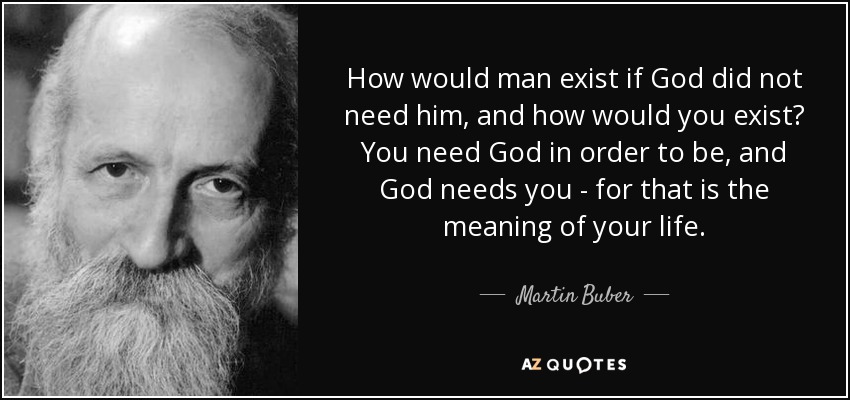
  • All names of God remain hallowed because they have been used not only to speak of God but also to speak to him. Martin Buber, I and Thou, 1923
  • Some would deny any legitimate use of the word God because it has been misused so much. Certainly it is the most burdened of all human words. Precisely for that reason it is the most imperishable and unavoidable. And how much weight has all erroneous talk about God's nature and works (although there never has been nor can be any such talk that is not erroneous) compared with the one truth that all men who have addressed God really meant him? For whoever pronounces the word God and really means Thou, addresses, no matter what his delusion, the true Thou of his life that cannot be restricted by any other and to whom he stands in a relationship that includes all others. Martin Buber, I and Thou, 1923
  • There are not two powers in the world, only one power God. Joel Goldsmith
  • There is only the One-God(Self) and nothing other than the One-God(Self). First tenet of Sufism
  • Stop trying to become God; God is becoming you. Here. Mellen-Thomas Benedict, Near-Death Experience NDE Story, Journey Through the Light and Back
  • There are innumerable ways in which the human mind perverts the Divine. Mother Meera, Indian, based in German
  • A God who let us prove his existence would be an idol. Dietrich Bonhoeffer
  • God is the mysterium tremendum that appears and overthrows, but he is also the mystery of the self-evident, nearer to me than my I. Martin Buber
  • There is nothing but God. central insight of Sufism

Bill Griffith Wilson (1895–1971) and Robert Holbrook Smith (1879-1950) known as Dr. Bob, started the fellowship of Alcoholics Anonymous (AA). The main concern of AA is to surrender one's addiction / life to a Higher Power / God.

  • Such were the final concessions to those of little or no faith; this was the great contribution of our atheists and agnostics. They had widened our gateway so that all who suffer might pass through, regardless of their belief or lack of belief. […]
    God was now expressed in terms that anybody – anybody at all – could accept and try. Alcoholics Anonymous World Services, Alcoholics Anonymous Comes of Age. A Brief History of A.A., pp. 166-167, June 1957
  • When scientists use the word God, they usually mean the God of Order. For example, one of the most important revelations in Einstein's early childhood took place when he read his first books on science. He immediately realized that most of what he had been taught about religion could not possibly be true. Throughout his career, however, he clung to the belief that a mysterious, divine Order existed in the universe. His life's calling, he would say, was to ferret out his thoughts, to determine whether he had any choice in creating the universe. Einstein repeatedly referred to this God in his writings, fondly calling him "the Old Man." When stumped with an intractable mathematical problem, he would often say, "God is subtle, but not malicious." Dr. Michio Kaku, leading theoretical physicist and futurist, A Scientific Odyssey Through Parallel Universes, Time Warps, and the 10th Dimension, pg. 331, Oxford University Press, October 1995


Index: Gott

  • Buch 2 Allmacht, S. 28, 431, 480
    • Allmächtig, S. 86, 223, 228, 232, 332, 373
    • Allmächtiger, S. 222
  • Buch 3 Allmacht, S. 480
    • Allmächtig, S. 234, 286(2x), 367, 396
    • Allmächtiger, S. 477

Englische Werke


Literatur


Literatur (engl.)


Externe Weblinks zu Texten zum Thema Gott


Externe Weblinks (engl.) zum Thema Gott


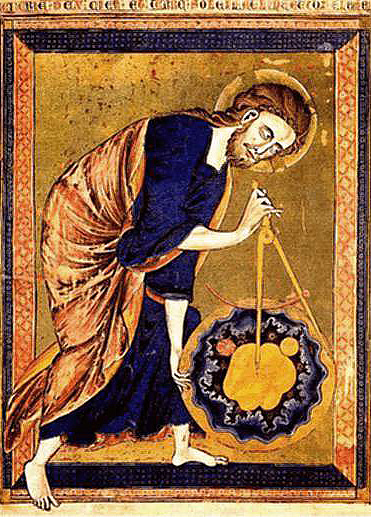
Bildliche Darstellung von Gott

  • Hinweis auf: Was Gott nicht ist...

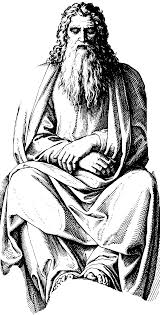
Gottvater


Audio- / Videolinks (engl.) zum Thema Gott

  • God's Loveletter Lied gesungen, begleitet von Bibelversen
  • Interview with God, Interview mit Gott, Youtube-Film
  • The God Helmet Michael Persinger, Neurowissenschaftler, YouTube Film, 2:07 Minuten Dauer, eingestellt 2. April 2007
  • 3SAT TV Sendung delta (Clip) zum Thema "Gott / Neuer Atheismus", Exisiert Gott?, Antworten von vier Theologen: Weihbischof Anton Losinger (Christ), Salomon Almekias-Siegl (Rabbiner), Nadeem Elyas, Zentralrat der Muslime, Peter Steinacker, Kirchenpräsident der Evangelischen Kirche in Hessen und Nassau, Moderator Gert Scobel, 2:59 Minuten Dauer, Sendetermin 13. Dezember 2007, eingestellt 23. Dezember 2007


Interne Links

Wiki-Ebene