
Wiki / Ehe
Inhaltsverzeichnis: (verbergen)
|
༺·❄·༻
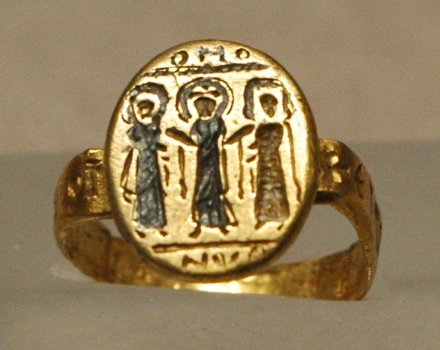
Byzantinischer Ehering, 7. Jahrhundert
|
|
Wenn ihr aus zwei eins macht, wenn ihr das Innere wie das Äußere macht, das Äußere wie das Innere und das Obere wie das Untere macht, und wenn ihr das Männliche und das Weibliche vereinigt, so dass der Mann nicht Mann und die Frau nicht Frau bleibt; wenn ihr mit neuen Augen seht, mit neuen Händen handelt, mit neuen Füßen geht und ein neues Bild aus euch macht – dann werdet ihr
༺·❄·༻ |
|
Men and women often become more sexually compatible as they mature, and "third-agers" often have the best sex of their lives.
༺·❄·༻ |
><(((°> <°)))>< ><(((°> <°)))>< ><(((°> <°)))><
Die US-amerikanische Neuroanthropologin und Hirnforscherin Dr. Helen Fisher und ihre Kollegen bestätigen drei ganz starke Kreisläufe/Antriebe, die sich im Gehirn von Tieren und Menschen herausgebildet haben. Sie können den Einzelnen dazu brin-
gen, sowohl selbstaufopfernd zu handeln (für den Partner zu sterben) als auch – bei Zurückweisung – den anderen zu töten.
| ||||||||||||||||||||||||||||||||||||||||||||||||
| Quellen von und mit Dr. Helen Fisher (1945-2024) kanadisch-US-amerikanische Professorin für biologische Anthropologie, Ethnologin, Lie- besverhaltensforscherin, Center for Human Evolutionary Studies, Rutgers University, wissenschaftliche Beraterin von Chemistry.com, Autorin ► Gelöschter Videovortrag Why We Love: The Nature and Chemistry of Romantic Love, Veranstaltungsort "The Book Works", Del Mar, Kalifornien, präsentiert von The Science Network (TSN), Gastgeber Roger Bingham (1948-2023), 43:00 Minuten Dauer, 8. Juni 2006 ► Videovortrag Helen Fisher tells us why we love + cheat, Veranstalter TED Talks 2006, 23:21 Minuten Dauer, gefilmt Februar 2006, eingestellt September 2006 ► Videovortrag The brain in love, Veranstalter TED Talks 2006, 15:56 Minuten Dauer, gefilmt Februar 2008, eingestellt Juli 2008 |
| See also: ► Three mating drives Helen Fisher ∞ Three Daoist types of integration of Yin and Yang |
| |||||||||||||||||||||||||||||||||||||
|
|
| Quellen von und mit Dr. John Mordechai Gottman (*1942) US-amerikanischer Psychologe, Beziehungsanalytiker, Ehestabilitätsforscher ► Buch Die 7 Geheimnisse der glücklichen Ehe [The Seven Principles for Making Marriage Work] Ullstein Taschenbuch, Erstausgabe 2000, April 2002 ► Powerpoint-Präsentation (engl.) Seven Principles for Making a Marriage Work [Sieben Prinzipien einer gelingenden Ehe] ~2007 |
|
| Referenzen: ► Artikel Die "apokalyptischen Reiter" einer Beziehung, präsentiert von der Publikation der Informations- und Bildungssendung Planet Wissen, Lothar Nickels, 15. Juli 2020 ► Artikel Die apokalyptischen Reiter, präsentiert von der Publikation Liebewohl.de, undatiert |
|
Das Unternehmen "Priority Management Pittsburgh" hat in einer Three-Times-Study im Jahr 1988 ermittelt, dass ein  Primavera, Sandro Botticelli (1445-1510) italienischer Maler
Das Ergebnis einer repräsentativen Umfrage in der Bundes- "Die meisten Ehen verlaufen gleichgültig oder unglücklich."
Frauen, gesellschaftlich benachteiligter, belasteter und ehrli- |
| Siehe auch: ► Kommunikation |
| ||||||||||||||||
| Source: ► Dan Buettner (*1960) US-amerikanischer Langlebigkeitstrainer, Forscher, Journalist im Auftrag des Magazins National Geographic, Aufklärer, Autor, Facebook-Kommentar, 26. September 2012 |
| Siehe auch: ► Statistik |
| See also: ► Longevity rates of married couples – Statistics |
|
Heimliche Liebesbeziehung als Chance
Aus der heimlichen Verbindung von Zeus und Semele geht ihr gemeinsame Kind hervor: Dionysos, der Gott der Eksta- |
|
In Ehen oder verpflichteten Beziehungen kommen die ungelösten im Gehirn eingebrannten Verhaltensmuster der be-
Die schwierigen Stationen der Paargeschichte sind:
Der deutsche Paartherapeut Hans Jellouschek unterscheidet fünf Entwicklungsphasen einer Paarbeziehung:
In bestimmten Phasen können Paare steckenbleiben. Dreiecksbeziehungen sind ein probates Mittel, um durch |
| Literatur von Hans Jellouschek (1939-2021) deutsch-österreichischer Psychologe, Paartherapeut, Theologe, Autor ► Ich liebe dich, weil ich dich brauche. Der Froschkönig, Kreuz Verlag, 2001 ► Die Rolle der Geliebten in der Dreiecksbeziehung, Kreuz Verlag, 2004, Goldmann Verlag, 9. Juni 2008 ► Die Kunst als Paar zu leben, Kreuz Verlag, 2005 ► Wie Partnerschaft gelingt. Spielregeln der Liebe, Herder Taschenbuch, 2005 ► Maja Langsdorff, Mitautorin, Die Geliebte. Was es heißt, die Andere zu sein, Books on Demand, aktualisierte Neuauflage Oktober 2005 ► Wie man besser mit den Wünschen seiner Frau umgeht. Vom Fischer und seiner Frau, Kreuz Verlag, 2006 ► Die Froschprinzessin. Wie ein Mann zur Liebe findet, Kreuz Verlag 2006 ► Warum hast du mir das angetan? Untreue als Chance, Piper, München, 9. Auflage Juli 2007 |
| Videopräsentation (engl.): ► Mark Gungor (*1954) US-amerikanischer Pastor, Bühnenunterhalter, Eheberater, internationaler Referent, Adultery, sponsored by the "Manly Man Conference – Worth the Fight", 2009, YouTube Filmausschnitt, 1:18 Minuten Dauer, eingestellt 13. Januar 2010 |
|
Status des Fremdgehens – 2010
|
|
Gespräch unter Eheleuten kurz nach der Hochzeit
Ehemann zur Ehefrau: "Ich hoffe, du veränderst dich nie." Ehefrau zum Ehemann: "Ich muss [wir müssen] dich verändern." Frauen verbessern Männer. Ja, das tun sie, vorausgesetzt, ihr Männer bringt sie nicht schon vorher um. Die Frau als Wandlungsvermittlerin tut Männern gut. Sie mögen es zwar nicht. […] Die gute Botschaft ist, dass Frauen einen Mann im Allgemeinen dorthin bringen können, wohin sie wollen. Sie müssen dabei allerdings bedenken, dass sie sich auf ein Langzeitprojekt von zwanzig, dreißig Jahren Dauer einlassen. |
| Quelle (engl.): ► Videovortrag (Clip) von Mark Gungor (*1954) US-amerikanischer Pastor, Bühnenunterhalter, Eheberater, internationaler Referent, A man still does not do anything, YouTube Film, 1:23 Minuten Dauer, eingestellt 21. Januar 2011 |
| Siehe auch: ► Transformation |
| See also: ► Changing one's spouse in a marriage |
|
|
Der Einfluss der Frau
Ein frommer Mann hatte ein frommes Weib, aber sie hatten keine Kinder. Da sprachen sie: Unsere Ehe bringt dem Heiligen, gelobt sei er, keinen Nutzen. Und der Mann gab seiner Frau den Scheidebrief, und sie trennte sich von ihm. Er heiratete in zweiter Ehe eine böse Frau, und die machte ihn zu einem Bösewicht. Die Geschiedene wiederum heiratete einen bösen Mann und verwandelte diesen in einen frommen. Ob der Mann gottlos wird, ob der Mann fromm wird – alles bewirkt die Frau. |
| Quelle: ► Talmud, Hauptschrift des Judentums, Midrasch Bereschit r. 17, 7 |
|
Lob dem tugendsamen Eheweib
Wem ein tugendsam Weib beschert ist, die ist viel edler denn die köstlichsten Perlen. |
| Quelle: ► Sprüche 31, 10-12 (OT) |
| See also: ► Wives as change agents |
Ich will zu dir gehören
und du zu mir.
Versprochen
in den guten Zeiten –
versprochen, immer und immer.
In den schlechten Zeiten –
Gerade in den schlechten Zeiten,
wenn so viele Versprechen brechen,
wenn so viele Worte im Wortbruch enden
und unsere Liebe sich im Widerspruch auflöst.
Gerade in den schlechten Zeiten
brauchen wir einen,
dessen Gedanken wahrhaftig sind
und dessen Worte nicht brechen;
einen Gott,
der unsere Liebe neu aussät,
behütet und beschützt,
damit sie wächst und gedeiht und reift.
| Quelle: ► Uwe Seidel, Das kleine Buch der Liebe, tvd Verlag, 1999, 5. Auflage 2012 |
| Siehe auch: ► Gedichte |
Persönliche Bekenntnisse
Warnung
Empfehlung

|
Humor
Anekdote
Satire
Gedicht
Entnommen aus Dr. David Schnarch (1946-2020) US-amerikanischer klinischer Psychologe, Paar- und Sexualtherapeut,
Autor, Die Psychologie sexueller Leidenschaft [Passionate Marriage], Klett-Cotta, Stuttgart, 2006, Piper Verlag, Erstaus-
gabe März 2007, 15. April 2009

|
| Quelle: ► Dr. David Schnarch (1946-2020) US-amerikanischer klinischer Psychologe, Paar- und Sexualtherapeut, Autor, Intimität und Verlangen. Sexuelle Leidenschaft wieder wecken, Klett-Cotta, 1. Auflage Februar 2011 |
Personal avowals
Collins makes no major decision without the unanimous agreement of a triumvirate "executive council" of him, his wife Joanne Ernst, and their longstanding research associate, Brian Bagley.
Book review, 8. June 2007]
Marianne Ginrich, second wife of US politician Newt Gingrich reports his reply to her question how he justified having a secret extramarital affair and giving public speeches on family values.
Caveat
Article Male circumcision leads to a bad sex life, presented by ScienceNordic, 14. November 2011
Recommendations
Women are the guardians of connection, men are connectable by instruction.

Insights
Passionate Marriage. Sex, Love, and Intimacy in Emotionally Committed Relationships, W. W. Norton, 1997, 2009, Owl Books (Henry Holt), 1998
Love and relationship advice of a large and varied cross-section of long-married elders in a scientifically reliable and valid way
Related to article Love, factually: Gerontologist finds the formula to a happy marriage., sponsored by the Cornell University, presented by the US American news website for topical science articles Science Daily, 17. June 2015
⚡ Bill Griffith Wilson [Bill W.] (1895-1971) US American co-founder of the international mutual aid fellowship Alcoholics Anonymous
Biographer glossing over and white-washing Bill Wilson's notorious philandering and repeated cheating on his wife
See also confirmation: Bill Wilson. Little Known Facts About Bill W., presented by the publication alternatives-for-alcoholism, Cynthia Perkins, M.Ed., US American mental health professional, recovering alcoholic, 2007-2012
Insights
Appeal / recommendation'
Changed by the crucible of marriage

|
Cultural shift in family building and relating patterns:
1. Companionship is primary.
2. Children are secondary.

Explanation: The older a couple grows together, the greater the quality of intimacy and the better the sex. Research shows that intimacy (to feel known by one's partner) and sexual pleasure are potentially better at 50-60 years of age.
|
2011 study: Single men are just as eager to marry as single women.
Explanation: According to St. Paul in the New Testament the sex drive is the reason for marriage and longterm relationships.
The couple Chris and Cindy Beall reunited after his adultery became known.
Beauvoir was a lesbian pedophile and pedophilia enabler, averse to longterm heterosexual bonding.
|
Online dating – prospects
Literary quotes
Movie and TV series quotes
|
|
| |||||||||||||||||||||||||||||||||||||||||||
| Visual sources featuring Helen Fisher, Ph.D. (1945-2024) Canadian-American research professor of biological anthropology, human behavior researcher, Center for Human Evolutionary Studies, Rutgers University, expert on romantic love, chief scientific advisor to Chemistry.com, author ► Deleted video presentation Find out why we're addicted to love, presented by The Science Network (TSN), host Roger Bingham, minute ~65:00, 1:54:00 duration, 9. June 2006 ► Deleted video presentation Human Emotion. Four Personality Types, sponsored by the Digital – Life – Design (DLD) conference, Munich, Germany, recorded by the event video production company Fora.tv, chapter 06 Why Do Fools Fall in Love? [10:43 minutes duration], 25:24 minutes duration, aired 24. January 2010 Explorers – minutes 2:21-3:52; Builders – minutes 3:53-5:16; Directors – minutes 5:14-7:25 Negotiators – minutes 7:26-9:24 ► Video interview Are You Chemically Compatible?, YouTube film, 4:13 minutes duration, posted 2. February 2009 ► Video presentation Helen Fisher @ The Economist On 4 Styles Of Thinking, presented by the international weekly newspaper The Economist, YouTube film, 14:18 minutes duration, posted by ICM Speakers 3. April 2015 Percentages: 38% Explorers, 19% Builders, 13% Directors, 30% Negotiators ► Video presentation Biology of the mind, presented by TEDxEast Talks, YouTube film, 21:43 minutes duration, posted 28. June 2012 |
|
| ||||||||||||||||||||||||||||
| Sources featuring Helen Fisher, Ph.D. (1945-2024) Canadian-American research professor of biological anthropology, human behavior researcher, Center for Human Evolutionary Studies, Rutgers University, expert on romantic love, chief scientific adviser to Chemistry.com, author ► Book Why Him? Why Her? – Finding Real Love by Understanding Your Personality Type, Henry Holt, 1st edition 20. January 2009 56 questions inquire what personality type the reader is: Builders like routine and orderliness. Explorers go for the unpredictable. Directors debate anyone. Negotiators easily imagine both good and bad things happening. ► Article What is your love type?, presented by the US American monthly magazine O, The Oprah Magazine, June 2007 ► Article Builder, Negotiator, Explorer and Director – Which Personality Type Are You?, presented by personalitycafe.com, 12. March 2009 |
| See also: ► Three mating drives Helen Fisher ∞ Three Daoist types of integration of Yin and Yang |
| Siehe auch: ► Vier Persönlichkeitstypen in der Liebesbeziehung |
|
Neuroanthropologist and brain researcher Helen Fisher, Ph.D. and her colleagues confirm three very strong circuits/drives which have evolved in the brain of animals and humans. They may lead one to act self sacrificial (dying for the other) as well
as to killing oneself, or the other when rejected.
Dr. Fisher divides love into three categories involving different brain systems:
| ||||||||||||||||||||||||||||||
| The prefrontal cortex (i.e. the nonlinear immortal etheric brain) is not yet of scientific interest given the machine-based research in respect to human pair bonding. |
| Visual sources featuring Helen Fisher, Ph.D. (1945-2024) Canadian US American research professor of anthropology, department biological anthropology, Center for Human Evolutionary Studies, Rutgers University, human behavior researcher on romantic interpersonal attraction, chief scientific adviser to Chemistry.com, author ► Removed video presentation Why We Love: The Nature and Chemistry of Romantic Love, location "The Book Works", Del Mar, California, presented by The Science Network (TSN), host Roger Bingham, 43:00 minutes duration, 8. June 2006 ► Video presentation Helen Fisher tells us why we love + cheat, presented by TED Talks 2006, 23:21 minutes duration, filmed February 2006, posted September 2006 ► Video presentation The brain in love, presented by TED Talks 2006, 15:56 minutes duration, filmed February 2008, posted July 2008 | ||||
| See also: ► Three mating drives Helen Fisher ∞ Three types of integration of Yin and Yang Lao Tzu ► Seven primary affective systems – Jaak Panksepp | ||||


| ||||||||||||||||||||||||||||||||
| Sources featuring the six love styles found by John A. Lee, US American sociologist, researcher, author, ► Book Colours of love. An exploration of the ways of loving, New Press, Toronto, 1973 ► Book excerpt Love styles, cited in: Michael H. Barnes, Robert Sternberg, Ph.D. (*1949) US American professor of psychology, Yale University, Tufts University, developer of the Triarchic theory of intelligence, The Psychology of Love, S. 38-67, Yale University Press, New Haven, Connecticut, 1988, 10. September 1989 |
| Written references: ► Article John Lee's Six Love Styles from Psychology Studies, presented by the publication Forest for Women, 2013 ► Article These Are the 7 Types of Love... and how we can ignore the most available and potentially fulfilling types, presented by the US American bimonthly magazine Psychology Today, Neel Burton, Ph.D. (*1978) British psychiatrist, philosopher, educator, writer, 25. June 2016 1. Eros • 2. Philia • 3. Storge • 4. Agape • 5. Ludus • 6. Pragma • 7. Philautia |
| References: en.Wikipedia entries ► Eros and ► Ludus and ► Storge and ► Pragma und ► Mania and ► Agape and ► Color wheel theory of love |
| See also: ► Love |
| Siehe auch: ► Ausdrucksformen der Liebe – Susan und Clyde Hendrick |
|
Marriage researchers conclude:
|
| Reference: ► Article The 10 Minute Challenge, presented by the publication The Dating Divas, undated |
|
|
| Source: ► M. Gary Neuman, US American marriage counselor, The Truth about Cheating. Why Men Stray and What You Can Do to Prevent It, Wiley, 1st edition 25. August 2008 |
| ||||||||||||||||||||||||||||||||||||
| Source: ► Article by David Schnarch, Ph.D. (1946-2020) US American clinical psychologist, marital and sex therapist, author, 11 Non-Sexual Ways To Increase The Intimacy In Your Relationship, presented by Thought Catalog, Samantha Burns, 6. July 2015 |
| ||||||||||||||||||||||||||||||||||||||||
| Sources featuring John Mordechai Gottman, Ph.D. gottman.com (*1942) US American psychologist, relationship analyst, researcher on marital stability ► Blog article John Gottman on Successful Relationships, presented by Ed Batista, change management coach, 10. January 2007 ► [*] Entry Stop Gottman’s Four Horsemen from Ruining Your Marriage, presented by the website couplestherapyinc, Dr. K, 5. August 2013 |
| See also: ► Habits for thriving couples ► Increasing intimacy and strengthening the relationship – David Schnarch ► Successful relationships – Mark Manson ► Characteristics of happy couples ► [*] Extending genuine apologies to reestablish trust |
| See also: ► Relationship advice and ► Dignity and ► Respect and ► Trust and ► Vulnerabiility and ► Transformation |
| |||||||||||||||||||||||||||||
| Sources featuring John Mordechai Gottman, Ph.D. (*1942) US American psychologist, relationship and marital stability researcher, marriage educator ► Book The Seven Principles of Making Marriage Work. A Practical Guide from the Country's Foremost Relationship Expert, Three Rivers Press, 1st edition 16. May 2000 ► Powerpoint-Präsentation (engl.) Seven Principles for Making a Marriage Work [Sieben Prinzipien einer gelingenden Ehe] ~2007 |
| ||||||||||||||||||||||||||||||||
| Source: ► Article Every successful relationship is successful for the same exact reasons, presented by the US American online portal Quartz, Mark Manson (*1984) US American internet entrepreneur, blogger, author, 13. January 2017 first published as 1,500 People Give All the Relationship Advice You'll Ever Need, 8. December 2016 |
| See also: ► Relationship advice and ► Dignity and ► Respect and ► Trust and ► Vulnerabiility and ► Transformation |
| |||||||||||||||||||||
♦·◊·♦
|
♦·◊·♦
| Source: ► Stephen J. Johnson, Ph.D., MFT, US American psychotherapist, marriage and family consultant, educator, founder and director of Men's Center of Los Angeles, What Your Marriage Needs to Survive, presented by the US American men's initiative The Good Men Project, 8. February 2011 |
| Referenz (German): ► Beitrag Was ist wichtiger in einer dauerhaften Beziehung: Tiefsinnige Gespräche oder Alltagskompatibilität?, präsentiert von der kalifornischen Frage-und-Antwort Webseite Quora, Elfriede Ammann, 13. November 2018 |
| ||||||||||||||||||||||||||||||||||
| Source: ► Article "I'm Not In Love With You Anymore", presented by the US American men's initiative The Good Men Project, Jed Diamond, Ph.D. (*1943) US American psychotherapist, marriage and family counselor, author, 23. May 2015 |
| References: ► Article Science Says Lasting Relationships Come Down To 2 Basic Traits, presented by the US American magazine The Atlantic, Emily Esfahani Smith, Swiss-Canadian instructor in positive psychology, University of Pennsylvania, journalist, writer, retrieved by the German-owned American business, celebrity and technology news website Business Insider, 9. November 2014 ► Book: Jed Diamond, Ph.D. (*1943) US American psychotherapist, marriage and family counselor, author, The Enlightened Marriage. The 5 Transformative Stages of Relationships and Why the Best is Still to Come, New Page Books, 1st edition, 22. August 2016 |
|
|
As a result of 3 year-long study on a group of 100 infidel husbands and a group of 100 faithful husbands in 48 states of the United States of America marriage counselor M. Gary Neuman learned that most commonly-held beliefs about why men cheat are obsolete:
Cheating men
 Scarlet lily beetle
|
| Sources featuring M. Gary Neuman, US American marriage counselor ► Book The Truth about Cheating. Why Men Stray and What You Can Do to Prevent It, Wiley, 1st edition 25. August 2008 ► Book Emotional Infidelity. How to Affair-Proof Your Marriage and 10 Other Secrets to a Great Relationship, Three Rivers Press, 24. September 2002 ► Video TV interview The truth about why men cheat. Two hundred guys weigh in to give the real reasons behind infidelity, presented by the US American news cable and satellite television network MSNBC, TODAY, Nicole Yorio and Lindsey Palmer, 17. October 2008 |
|
Cheating women – study on 500 women world wide by M. Gary Neuman
|
| Source: ► Video presentation by M. Gary Neuman, marriage counselor, "Connect To Love" Webisode 1: This Couple Survived HER Cheating, YouTube film, minute 0:11, 5:01 minutes duration, posted 5. November 2010 |
|
Studies conservatively estimate that 60% of married men and 40% of married women will have an extramarital affair.
 Scheherazade und Sultan Schariar, 1880 Ferdinand Keller (1842-1922) German history painter.
|
| Source: ► Dr. Bonnie Eaker Weil, Ph.D., US American family and relationship therapist, author, Adultery is a treatable, curable and forgivable sin!, undated |
| ||||||||||||||||||||
|
| Visual sources: ► Video presentation by Mark Gungor (*1954) US American pastor, marriage counselor, comedian, Adultery, YouTube film, 1:18 minutes duration, posted 13. January 2010 ► Video interview with reunited couple Chris and Cindy Beall, How do you walk through exposing an adulterous affair?, YouTube film, 9:16 minutes duration, posted 14. September 2009 "Intimacy is a critical ingredient to a God honoring healthy marriage. Intimacy is birthed out of the environment of trust. And trust can only be had where there is honesty." ► Video interview with reunited couple Chris and Cindy Beall, How do you forgive after adultery?, YouTube film, 9:11 minutes duration, posted 15. September 2009 ► Video interview with reunited couple Chris and Cindy Beall, Adultery: Can a marriage survive it?, YouTube film, 9:12 minutes duration, posted 16. September 2009 |
|
10-year study on the effect of marital strain in relationship to the development of heart disease and death
| ||||||||||||||||||
| Sources: ► Removed Blog article by Dr. Sanjay Gupta, CNN's chief medical correspondent, Self-censoring linked to higher death risk]], presented by the US American TV channel CNN, news outlet CNN edition, Health, 27. August 2007 ► Blog article When Women Have No Voice In A Relationship, presented by EditorialToday, Monch Bravante, undated |
| See also: ► Silence and ► Communication and ► Death |
| ||||||||||||||||||||||||||
| Source: ► Article 6 Marriage Myths Debunked, presented by the US American men's initiative The Good Men Project, Aaron Anderson, 2. October 2013 |
|
Researchers of the St. Andrews University in Scotland, studied the lifespan of thousands of married couples of varied ages between 1991-2006.  The lovesick Antioch, 18th century Johann Anwander (1715-1770)
The results were:
Paul Boyle (*1964) British professor of geography, chief execu-
Japanese cardiologists discovered the broken heart syndrome also named as Takotsubo stress cardiomyopathy.
Researchers at Johns Hopkins University in Baltimore, Maryland, found that widowed women with none of the external predisposing factors of heart disease (smoking, obesity, a sedentary lifestyle and a high-fat diet) developed the broken heart syndrome followed by a purely psychological heart failure. |
|
| Sources: ► Online Divorcer ► Jennifer Baker of the Forest Institute of Professional Psychology in Springfield, Missouri ► Removed Article Is your marriage making you sick?, presented by the US American TV channel CNN, news outlet CNN edition, Elizabeth Cohen, US American senior medical correspondent, 10. June 2010, retrieved by the Enrichment Journal, June 2011 |
| References: ► General divorce statistics, presented by Edivorcepapers.com ► Article 5 Toxic Behaviors that Doom Relationships. What I learned from my friends' divorce stories, presented by the stories outlet Medium, Jessica Wildfire, 3. February 2020 1. One spouse stopped engaging. 2. One spouse got greedy. 3. One spouse cheated. 4. One spouse didn’t do his share of daily chores. 5. One spouse stopped talking. |
| See also: ► Statistics |
|
| ||||||||||||||||
| Source: ► Dan Buettner (*1960) US-amerikan longevity coach, explorer, journalist for the National Geographic, educator, author, Facebook comment, 26. September 2012 |
| References ► 3-part article Relationships in Early Adulthood and ► Relationships in Middle Adulthood and ► Relationships in Older Adulthood, presented by Cliffnotes, undated |
| See also: ► Statistics |
| Siehe auch: ► Lebensalterdaten von Ehepaaren – Statistik |
The US American brain surgeon Leonard Shlain, M.D. (1937-2009) predicted that the human species will pass another massive sudden phase change (transformation) around the turn of the millennium. The result will be that men and human
are then able to use both hemispheres of the brain.
In general, the brain of a heterosexual man differs distinctly from a female brain.
With women in general (incl. lesbians), lefties, colorblind, baldheaded men, gays, and memory superbrains the distribution
of language skills is more balanced between the hemispheres. They have a bigger Corpus callosum which serves them to communicate their emotions – stored in the right brain and mostly translated and expressed via the left brain – in a more
explicit and eloquent way.
|
Leonard Shlain, M.D. sextimeandpower.com (1937-2009) US American chairman of laparoscopic surgery, associate professor of surgery, UC San Francisco, independent researcher, author of Art and Physics, The Alphabet vs. the Goddess,
Sex, Time, and Power explains
|
Sexual arousal, fear, appetite, desire, and falling in love happens in the limbic system. It is the second oldest brain circuit
humans share with animals.
|
| Source: ► Video interview with Prof. Gerhard Roth (1942-2023) German biologist, behavioural physiologist, brain researcher, University Bremen, author The difference between men's and women's brains, YouTube film, minute 1:11, 1:45 minutes duration, posted 17. October 2007 |
| |||||||||||||||||||||||||||||||||||||||||||||||||||||||||
| Source: ► Lloyd deMause psychohistory.com (1931-2020) US American social thinker, lay psychoanalyst, director of The Association for Psychohistory, president of the International Psychohistorical Association, editor of The Journal of Psychohistory, The Phallic Presidency: The Clinton Scandals and the Yugoslav War as Purity Crusades, presented by The Journal of Psychohistory, #25 (4), spring 1998 |
| See also: ► Dangerous relationships ► Psychopathological rating (via PPIPCL-R) of US American presidents ► Presidential death cycle in the United States ► List of US presidents and their religious affiliations |
| |||||||||||||||||||||||||||||||||||||||||||||||||||||||||||||||||||
| Source: ► Gerald Rogers, US American public speaker, Facebook comment, 28. July 2013 |

|
| Source: ► Excerpt from the US American movie Don Juan DeMarco, 1995, Faye Dunaway and Marlon Brando Part 1, YouTube film, minute 2:50, 5:37 minutes duration, posted 7. June 2008 |
|
| Source: ► Excerpt from the US American movie Don Juan DeMarco, 1995, Faye Dunaway and Marlon Brando Part 3, YouTube film, 2:41 minutes duration, posted 8. June 2008 |
|
US American neuropsychiatrist, professor of neurobiology, UC Berkeley, founder of the first US clinic to study and treat women's brain functions, lecturer, author Louann Brizendine, M.D., Ph.D. (*1952) concluded:
|
| See also: ► Taking up slow love – ending toxic low criteria relationships ► Audio and video links (engl.) – Marnia Robinson |
|
The wife's influence
A wife is endowed with the power to directly improve the behavior of her husband.
Once, a certain pious man was married to a pious woman, |
| Source: ► Talmud, central scripture of Judaism, Midrash, Bereishit Rabbah 17, 7 |
|
A wife of noble character
A wife of noble character who can find? She is worth far more than rubies. |
| Source: ► Proverbs 31, 10-12 (OT) |
| Siehe auch: ► Ehefrauen als Wandlungsagenten |
|
Scene past the wedding day
Husband to wife: "I hope you'll never change." |
| Source: ► YouTube video presentation by Mark Gungor (*1954) US American pastor, comedian, marriage counselor, speaker, A man still does not do anything, YouTube film, 1:23 minutes duration, posted 21. January 2011 |
| Siehe auch: ► Umwandlung während der Ehe |
Links zum Thema Ehe / MarriageLiteratur
Literature (engl.)
70% of normal couples have sexual desire problems.
Externe WeblinksLinkloser Artikel
Referenz Literatur: Bärbel Reetz (*1942) deutsche Schriftstellerin, Hesses Frauen, 430 Seiten, Insel Verlag, Berlin, 2012
External web links (engl.)
Diverse statistics on divorce rates in 1st, 2nd, 3rd, 4th marriages, single status
Research findings on happy marriages by Karl Pillemer, Ph.D., US American professor of human development and gerontology, Cornell University and Weill Cornell Medical College:
Audio- und Videolinks
Audio and video links (engl.)
The Brooklyn couple Perasa eloquently and gracefully recounts their twenty-seven-year romance – from their first date to Danny's final days
Linkless media offerings
75% million people worldwide are actively engaging in online sexual activity, in "Cyber Affairs".
Audio and video links (engl.) – Helen Fisher
Linkless media offerings
Audio and video links (engl.) – John M. Gottman
5 positive strokes to balance 1 negative strike – signifies a stable relationship.
Audio and video links (engl.) – Humorous
|
Englisch Wiki
Hawkins
1 Elisabeth Noelle-Neumann (1916-2010) deutsche Professorin für Kommunikationswissenschaft, Universität Mainz, Gründerin des Instituts für Demoskopie Allensbach, Renate Köcher, Die verletzte Nation, S. 84, DVA Stuttgart, 1987 ⇑
2 Dr. Ananya Mandal, M.D., Yes, you can die of a broken heart, presented by the publication Medical bizcommunity, posted 15. November 2010 ⇑
3 Anatomy of Love. A Natural History of Mating, Marriage, and Why We Stray, Ballantine Books, 3. January 1994 ⇑
4 Audio interview with Leonard Shlain, M.D. sextimeandpower.com (1937-2009) US American chairman of laparoscopic surgery, associate professor of surgery, UC San Francisco, researcher, writer of Art and Physics, The Alphabet vs. the Goddess, Sex, Time, and Power, Leonard Shlain Interview, location University of Toronto's CIUT, presented by the US American web radio station "Massive Change", host Jennifer Leonard, 54:24 minutes duration, aired 7. October 2003 Link deleted ⇑
5 Video presentation Sex, Time and Power, YouTube film, 49:48 minutes duration, posted 1. November 2012 ⇑
6 Video TV interview Full Dateline NBC: Juanita Broaddrick on Bill Clinton raping her, presented by the US American TV station Dateline NBC, hosts Lisa Myers and Stone Phillips, recorded November 1998, aired January 1999, 28:34 minutes duration, posted 6. September 2012 ⇑