
Wiki / Internet
Inhaltsverzeichnis: (verbergen)
|
"Die Social Software des Web 2.0 ist ein Angriff auf die etablierten Regeln der Macht und |
|
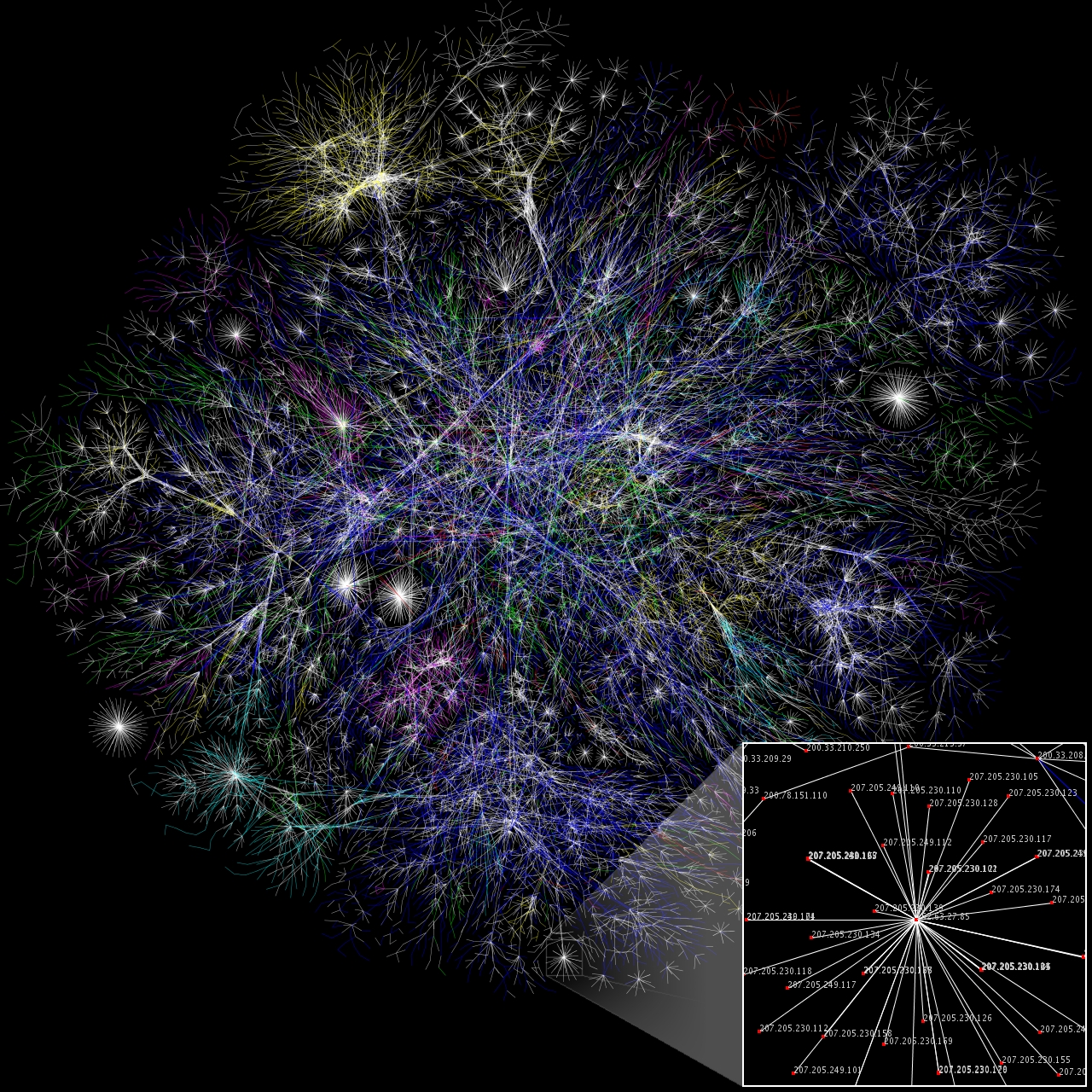
Landkarte des Internets, 15. Januar 2005 |
|
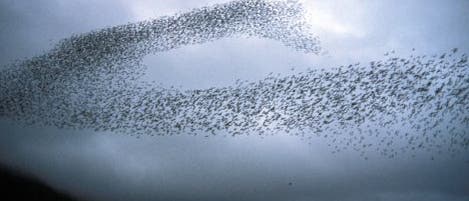
"Zeitungen sind wie ein großer, zusammengedrängter, üppiger Schwarm von Vögeln, der tagtäglich ein- bis zweimal sich um die Welt verbreitet. Diese Vögel zwitschern in allen zivilisierten Sprachen und fliegen in die verstecktesten und entlegensten Gegenden, in die Ebenen, in die engen, hohen Täler, auf die Berge, wo irgend noch Menschen wohnen, in die Dörfer und Städte, fast in jedes Haus hinein. Ihr Gefieder ist weiß, mit unzähligen schwarzen Punkten besetzt, aber diese Punkte leben, bewegen sich, werden zu Taten und Geschehnissen, sobald man sie näher |
| ||||||||||||||||||||||||
| Quelle: ► Artikel Das Internet hat die Regeln der Macht neu definiert, präsentiert von der überregionalen deutschen Tageszeitung Die Welt, Jürgen Stüber, 23. April 2010 |
| See also: ► Development of social media – Peter Kruse |
Die Sozialen Netzwerke im Internet sind Modellsysteme, die Resonanzmuster und sich
aufschaukelnde Dynamiken in der Gesellschaft abbilden.
Fortschrittliche Politiker, Unternehmer und Entscheidungsträger bewegen sich:
Raus aus den Expertengremien, rein in die Netze.
Mediale Machtverschiebung in der Gesellschaft vom Anbieter zum Nachfrager. Das Internet kann die Menschen wirklich revolutionär positiv verändern.
Verschiebung der Machtverhältnisse / Glaubenssysteme / Kulturmuster – Vom Anbieter auf den Nachfrager:
Sich verletzlich einzulassen auf das Risiko eigendynamischer Prozesse in einer intern kaum überschaubaren Komplexität, ist die Antwort auf die externe Komplexität.
| ||||||||||||||||||||||||||||||||
| Quelle: ► Videointerview mit Prof. Dr. Peter Kruse (1955-2015) deutscher Honorarprofessor für Allgemeine und Organisationspsychologie, Universität Bremen, Psychologe, Netzwerkforscher zur Komplexitätsverarbeitung in intelligenten Netzwerken und kohärenter Musterbildung, Geschäfts- führer von Nextpractice, Unternehmensberater, Kollektive Intelligenz, YouTube Film, 5:55 Minuten Dauer, eingestellt 18. Juni 2011 |
| Referenz: ► Beitrag Welche Ein- und Aussichten hinsichtlich der sozialen Netzwerke hat Prof. Peter Kruse geliefert?, präsentiert von der kalifornischen Frage-und-Antwort Webseite Quora, Elfriede Ammann, 9. Juni 2019 |
| Siehe auch: ► Entwicklungsphasen der Sozialen Netzwerke – Peter Kruse ► Herdentiere entscheiden demokratisch – Alphatiere genießen sexuelle Präferenz. ► Einfachheit und ► Kollektive Weisheit und ► Spiel und ► Komplexität und ► Intuition |
| See also: ► Funneling the complexity of modernity in view of the Internet – Peter Kruse ► Seven primary affective systems – Jaak Panksepp |
|
| |||||||||||||
| Quelle: ► Matthias Horx (*1955) deutscher Soziologe, Unternehmensberater, Zukunfts- und Trendforscher, Publizist, Meine wirklichen Thesen zum Internet, Future Blog, 9. Juli 2010 |
| ||||||||||||||
| Referenzen: ► Blogartikel Statistik: Social Media in Deutschland 2011, präsentiert von der Publikation Netzpiloten, Jörg Wittkewitz, 11. Mai 2011 ► Statistik Statistiken zur Social-Media-Nutzung, präsentiert von Statistica, Januar 2018 |
Paradigmenwechsel: Von der Stolzkultur zur Würdekultur ♥ |
| ||||||||||||||||||||||||||||||||
Konfliktlösung auf Plattformen der Sozialen Netzwerke |
| |||||||||||||||||||||||||||||||||||||||||||||||||||||||||
| Weiterführende Hinweise ► Gewaltfreie Kommunikation nach Marshall B. Rosenberg ► Grundsätze der Gewaltfreien Kommunikation – Marshall B. Rosenberg ► Modell der Konflikteskalation nach Friedrich Glasl ► Konfliktstrategien anhand des Gefangenendilemmas nach Robert Axelrod ► Φ Die Umkehr des Denkmodells Jemande ⇔ Niemande – Soziale Unternehmenspolitik ► Kommunikationsquadrat nach Friedemann Schulz von Thun ► Verlorenes Vertrauen durch aufrichtige Aussöhnung zurückgewinnen |
| Referenz: ► Gelöschter Artikel Online-Reputation. Umgang mit negativen Kommentaren in den Social Media, Posterous.com, 27. Februar 2011 |
Verhaltensempfehlungen für Nutzer von sozialen Netzwerkmedien |
| ||||||||||||||||||||||||||||||||||||
| Weiterführende Hinweise ✿ Kommunikationsquadrat nach Friedemann Schulz von Thun ✿ Verlorenes Vertrauen durch aufrichtiges Aussöhnen zurückgewinnen |
| Referenz: ► Artikel Die 10 Gebote des Social-Media-Marketings, präsentiert von der online Wirtschaftszeitung Business Insider Deutschland, Konrad Welzel, 26. Juli 2013 |
Das kostenfreie Internet-Lexikon Wikipedia ist umstritten, doch laut Test qualitativ besser als herkömmliche Lexika wie Brockhaus.
Wikipedia-Befürworter sind überzeugt, mit gegenseitiger Kontrolle der ehrenamtlich tätigen Autoren Definitionsfehler nahezu ausschließen zu können.
Wikipedia-Kritiker sehen das Netz-Nachschlagewerk manipulationsgefährdet durch die vielen mitschreibenden Köche mit oberflächlichem Halbwissen.
Die Zeitschrift STERN beauftragte das Recherche-Institut "Wissenschaftlicher Informationsdienst Köln", die Qualität von Wikipedia im Vergleich zum Brockhaus zu untersuchen – angesichts von Themen wie "Hartz IV", "U2", "Penicillin" oder "Moses".
Ergebnis des Enzyklopädien-Tests
Wikipedia erhielt in allen Bereichen die Durchschnittsnote 1,7.
Online-Brockhaus erhielt die Durchschnittsnote 2,7.
Für 43 Artikel bekam Wikipedia die bessere Beurteilung. Bei nur sechs Einträgen lag der Brockhaus vorn, in einem Fall schnitten beide gleich gut ab.
Beispiel: Der Todestag von Luciano Pavarotti und der Literatur-Nobelpreis für die Schriftstellerin Doris Lessing wurden tagesaktuell vermerkt, der Brockhaus wurde auch Wochen später noch nicht dazu aktualisiert.
| Quelle: ► Artikel Wikipedia siegt gegen Brockhaus, präsentiert von der überregionalen deutschen Zeitung Die Tageszeitung (taz), Berlin, 5. Dezember 2007 |
|
Seit 2016 ist die Amerikanerin Katherine Maher (*1963) als Geschäftsführerin der Wikipedia-Stiftung Wikimedia tätig. Zuvor war sie unter anderem bei der Weltbank, beim National Democratic Institute, bei UNICEF, bei der einflussrei-
 SWIPRS Diagramm, März 2019
Videovortrag von Dr. Alexander Gerhard Unzicker (*1965) deutscher Kognitionsforscher, Jurist, Physiker, "Physik-Querdenker", Autor, Der Niedergang der Wikipedia, präsentiert auf dem Elevate Festival, Graz, Österreich, März 2019, YouTube Film, Minute 11:37, 34:00 Minuten Dauer, eingestellt von Unzicker's Real Physics 24. April 2019
|
| Artikel / Bücher: ► Artikel Propaganda in der Wikipedia, präsentiert von der Schweizer Forschungsgruppe "Swiss Policy Research", Oktober 2018, aktualisiert Mai 2020 ► Interview mit Dr. Andreas Mäckler (*1958) deutscher Kunsthistoriker, Biograf, Drehbuchautor, Publizist, Schriftsteller, hier Herausgeber, Wikipedias dunkler Schatten, präsentiert von der deutschen Münsterschen Zeitung, Arndt Zinkant, 20. April 2021 ► Buch von Dr. Andreas Mäckler (*1958) deutscher Kunsthistoriker, Biograf, Drehbuchautor, Publizist, Schriftsteller, hier Herausgeber, Schwarzbuch Wikipedia. Mobbing, Diffamierung und Falschinformation in der Online-Enzyklopädie und was jetzt dagegen getan werden muss., Verlag zeitgeist, Höhr-Grenzhausen, 28. Februar 2020 |
| Medienreferenzen: ► Deutscher Dokumentarfilm [KenFM zeigt] Zensur – Die organisierte Manipulation der Wikipedia und anderer Medien, Regie und Drehbuch von Markus Fiedler und Frank-Michael Speer, deutsche Filmemacher, präsentiert von der deutschen Online-Plattform für investigativen Journalismus KenFM, YouTube Film, 2:14:06 Dauer, eingestellt ursprünglich 7. März 2017, 6. Juni 2021 ► Videovortrag von Dr. Alexander Gerhard Unzicker (*1965) deutscher Kognitionsforscher, Jurist, Physiker, "Physik-Querdenker", Autor, Der Niedergang der Wikipedia, präsentiert auf dem Elevate Festival, Graz, Österreich, März 2019, YouTube Film, 34:00 Minuten Dauer, eingestellt von Unzicker's Real Physics 24. April 2019 ► Gelöschte Videopräsentation und -gegendarstellung von Dr. Dr. Raphael Bonelli (*1968) österreichischer Neurowissenschaftler, Dozent an der Sigmund Freud Privatuniversität Wien, Psychiater, systemischer Psychotherapeut, Autor, und Clemens Arvay (1980-2023) öster- reichischer Biologe, Gesundheitsökologe, Buchautor, Corona Aktuell: Hat die Pharmalobby Wikipedia unterwandert? (Clemens Arvay), präsentiert von dem YouTube-Kanal RPP Institut, YouTube Film, 49:39 Minuten Dauer, eingestellt 25. September 2020 Clemens Arvay wird wegen seines Buches über die Corona-Krise mit ad-personam Argumenten auf Wikipedia angegriffen. ► Videointerview mit Dr. Andreas Mäckler (*1958) deutscher Kunsthistoriker, Biograf, Drehbuchautor, Publizist, Schriftsteller, NARRATIVE #76 by Robert Cibis | Dr. Andreas Mäckler, präsentiert von Ovalmedia, Gründer und Gastgeber Robert Cibis (*1973) deutscher Filmregisseur, Filmproduzent, OvalMedia Film, 1:40:00 Dauer, eingestellt 5. Januar 2022 ► Videogespräch Das Magazin Multipolar und die RKI-Protokolle | #94 Wikihausen, Markus Fiedler und Frank-Michael Speer, deutsche Filmemacher, Dirk Pohlmann (*1959) deutscher Filmregisseur, KenFM Reporter, Drehbuchautor, Autor, YouTube Film, 1:01:32 Dauer, eingestellt 3. Mai 2024 |
| See also: ► Quotes on the malfeasance committed by Wikipedia (2005-present) |
| Quelle: ► Artikel Zehn Fakten über Web-Pornos, präsentiert von der deutschen Bild-Zeitung, 15. Januar 2010 |
| Referenzen: ► Artikel Verlust der Phantasie, präsentiert von dem deutschen Nachrichtenmagazin Der Spiegel, Barbara Hardinghaus und Dialika Krahe, Heft 21, 22. Mai 2010 ► Vortrag von Prof. Dr. Jakob Pastötter (*1965) deutscher Sexualwissenschaftler, Kulturanthropologe, Präsident der Deutschen Gesellschaft für sozialwissenschaftliche Sexualforschung, American Academy of Clinical Sexologists, Florida, Pornografie und Macht, Jugendmedien- schutztagung der NLM, Hannover, 14. April 2010 |
| Gegeninitiative (engl.): ► Videopräsentation Cindy Gallop (*1960) englische Werbeexpertin, Make love, not porn [Macht Liebe, nicht Pornografie], präsentiert von TEDBlog, YouTube version Make love, not porn (Adult content), 4:28 Minuten Dauer, eingestellt 2. Dezember 2009 |
| Siehe auch: ► Statistik |
Persönliches Bekenntnis
Warnung
Schlussfolgerungen
Desinformation

Article (engl.) Social Media Increases "Cuddle" Chemical Production in the Brain, presented by the digital media guide website Mashable, Jennifer Van Grove, 25. June 2010
Social Media (Soziale Netzwerke und Netzgemeinschaften) erhöhen die Produktion des Schmusehormons Oxytocin und mindern Stress.
Die moderne weltweit vernetzte elektronische Kommunikation trägt entscheidend zum kontinuierlichen Anstieg des Weltbewusstseins. Sowohl das globale Bewusstseinsniveau als auch das Internet schwingen auf dem Bewusstseinswert 205. [Stand Ende 2010] Vgl. Bewusstseinswert 200 [Stand 2008]
|
Sendungsbewusstsein, Kampagnen- und Alpha-Journalismus, Größenwahn
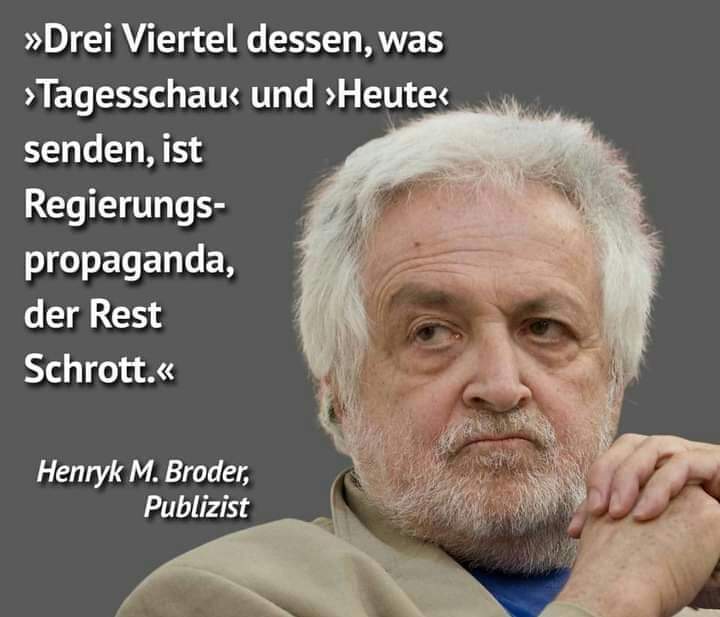
| Quellen: ► Artikel Manipulierte Medien: Tagesschau-Chef sagt kritischen Zuschauern Tschüss, Tagesschau-Chef gibt zu: "Wir wollen keine kritischen Zuschauer" – Informationen werden verdreht, gefälscht, weggelassen und gelöscht, original präsentiert von der deutschen Netzzeitung Kopp Report, Peter Harth, republiziert von der Netzzeitung Sott.net, 13. März 2015 ► [*] Fernsehbeitrag Objektiver Blick? Nachrichten im Wandel, präsentiert von dem deutschen öffentlich-rechtlichen Fernsehsender NDR, Sendung ZAPP, DailyMotion Film, 6:33 Minuten Dauer, gesendet 11. März 2015, verfügbar bis 10. März 2016 ► Blogartikel ARD-Chefredakteur Kai Gniffke kündigt vor laufender Kamera: "Ich kann diese Lügen nicht mehr ertragen.", präsentiert von Propagandaschau, 1. April 2016 ► Video-Reportage Exklusiv. Redakteurin einer öffentl.-rechtl. Anstalt packt aus. Skandal in der Süddeutschen Zeitung., präsentiert dem journalistisch unabhängigen Podcast-Anbieter Club der klaren Worte, Gründer und Redakteur Markus Langemann, YouTube Film, 43:20 Minuten Dauer, eingestellt 11. März 2021 |
Persönliche Bekenntnisse
Der elitenkritische Journalist Ken Jebsen führt ein unabhängiges Nachrichtenportal auf YouTube mit einer der größten Reichweiten.
KenFM weist derzeit mehr YouTube Abonnenten auf als Spiegel TV, Fernsehproduktionsfirma des Nachrichtenmagazins Der Spiegel. Jebsen wurde als Mitarbeiter eines GEZ-finanzierten TV-Senders rausgewofen und auch trotz seines Medieneinflusses wird er vom öffentlich-rechtlichen GEZ-finanzierten Fernsehen nie zu einem Interview eingeladen.
Aufruf / Empfehlung

Frage
Schlussfolgerungen
Die Netzwerke der Einflusshaber in Wirtschaft, Politik und Journalismus verdrängen den offenen Marktplatz an Ideen. Alpha-Journalisten vertreten häufig die Positionen der Herrschenden (Eliten).
Hochschul-Studenten werden vor der Meinungsmanipulation deutscher "Leitmedien" (angeblich renommierte Zeitungen) und öffentlich-rechtlicher Sender (ARD/ZDF) gewarnt.
Journalisten des Axel-Springer-Verlags unterschreiben die Bedingung, stets positiv über die USA und Israel zu schreiben. Siehe: YouTube video Bild Zeitung wurde mit 7 Millionen $ von der CIA gegründet, 13. September 2013
Persönliche Bekenntnisse
1870: Scheidender Herausgeber gesteht die Wahrheit über professionelles Lügen im Journalismus vor entrüsteten Kollegen
Warnung
Appell
Schlussfolgerung
| Quellen hinsichtlich der Zurückweisung von Zensur durch "Faktenchecker" ► Audiobeitrag indubio – Die Zensoren haben verloren , präsentiert von der Publikation und dem Podcastanbieter Achgut, indubio, 28. Mai 2020 Tichys Einblick siegt gegen Facebook Faktchecker. ► Audiobetrag / Artikel Faktenferne Faktenchecker, präsentiert von der deutschen Online-Plattform für investigativen Journalismus KenFM, Torsten Engelbrecht, 31. August 2020 ► Artikel und Audiobeitrag "Erklärung 2018" siegt endgültig über Facebook, präsentiert von der Publikation Achgut, präsentiert von der Publikation und dem Podcastanbieter Achgut, Joachim Steinhöfel (*1962) deutscher Rechtsanwalt, Fernsehmoderator, Werbefigur, Publizist, 13. Oktober 2020 |
|
Die öffentliche und internationale Internetpräsenz Quora ist ein Insichgeschäft, das unter Ausschluss eines unabhängigen Plattformrats inhäusig verwaltet wird. Quoras intransparente Moderationsrichtlinien und -praktiken dienen verschleierten profitorientierten Agenden.
 Profitorientierte internationale Wissensplattform Quora Ich moniere die Dreistigkeit eines Unternehmens, das von meinen unbezahlten Inhalten profitiert und sich zudem anmaßt, mich zu kontrollieren, und das häufig ohne seine ziemlich bescheuerten Entscheidungen zu erklären. […] Es ist schlichtweg nicht in Ordnung, wenn sich die Quora-Moderatoren immer mehr darauf versteifen, offenkundig auf völlig intransparente Weise, willkürlich und ideologisch eingefärbt zu moderieren. Man kann Quora einfach nicht vertrauen, vor allem weil die Quora-Algorithmen zur Bewertung von Antworten und die hauseigenen Moderationsrichtlinien und -praktiken so undurchsichtig sind. Daher kann man Quora-Moderatoren auch nicht als fair und unvoreingenommen schätzen. Quora, Medium, Facebook, Twitter, YouTube und andere soziale Plattformen wurden als schamlos agierende Insichgeschäfte entlarvt. Sie sind unglaublich arrogant geworden und meinen, sie könnten unsere Nutzererfahrung und unser Recht, unsere Meinung – auf der Grundlage von fairen, vernünftigen und transparenten Moderationssystemen – zu äußern, gängeln und einschränken. Quora bietet auch nicht die technische Möglichkeit, alle eigenen Antworten und Inhalte von der Website zu exportieren. Wir können großen Unternehmen, die für ihren eigenen Profit arbeiten, nicht vertrauen, angemessene Entscheidungen für große Online-Gemeinschaften zu treffen. Die gesamte Branche hat sich unser Misstrauen und unsere Empörung erworben – und verdient sie auch. Artikel (engl.) Why I quit Quora and Medium for good [Weshalb ich Quora und Medium für immer verlasse], präsentiert von dem Blogspot LarrySanger.org, Larry Sanger (*1968) US-amerikanischer Philosoph, Mitbegründer der freien Online-Enzyklopädie Wikipedia, Blogger, 1. Februar 2019 |
|
Nach 87 Quora-Antworten zog sich der Internet-bekannte kanadische Psychologieprofessor Jordan B. Peterson aus Quora zurück, weil die Quora-Moderation eine seiner Antworten in Sachen Lebenshilfe als unlauteren Werbespam abqualifiziert hatte.
 Die Unterstützer des Autors waren keineswegs überrascht von Quoras Entscheidung. Sie kommentierten:
Passend zur erfolgten Zensur durch Quora lässt der kontroverse Psychologieprofessor derzeit eine "Anti-Zensur"-Bezahlplattform namens Thinkspot einrichten. Artikel 'Spam': Quora removes Jordan B. Peterson's 'valuable things' answer for providing 'no value' [Spamalarm: Quora entfernt Jordan Petersons Antwort], präsentiert von der US-amerikanischen Tageszeitung The Washington Times, 22. August 2019
|
|
Erfahrungsbericht von Elfriede Ammann, Quora-Autorin (28. Oktober 2018-13. Januar 2020) Unerklärt von Quora blockiert 18.-23. Dezember 2019 – Ohne detaillierte Begründung von Quora gesperrt am 13. Januar 2020
Das Quora-Moderationsteam
Zum Zeitpunkt der Sperrung führte ich eine private Unterhaltung auf meinem Quora-Konto, in der NICHT die "verbotene" Rede war von der Schließung des Salons Autismus Spektrum. Mein Gesprächspartner teilte mir anschließend mit, dass meine letzten Nachrichten an ihn automatisch gelöscht worden sind. Mutmaßlich nimmt das Quora-Moderationsteam Einblick in private Unterhaltungen und nimmt sie sogar zum Anlass für Sperren. (Missachtung der Privatsphäre). Quoras AGB und Nutzungsbedingungen behalten sich das Recht auf Willkür im Moderationsamt vor mit dem Satz "Wir können Dein Nutzerkonto auf Quora schließen oder sperren, wenn Du eine der Quora-Richtlinien verletzt oder aus anderen Gründen." Ich betrachte die undurchsichtige Vorgehensweise der Quora-Moderation als krasse Amtswillkür (Rankismus).
Unzureichende Sachbearbeitung durch den Quora-Support Auf Anforderung wurden mir nach Personenidentifizierung meine Antworten auf Quora bis 1. Dezember 2019 übermittelt. ♦ Beim Datentransfer fehlten grundsätzlich die von mir geschriebenen Privatnachrichten und über 60 Antwortentwürfe. Eine Erklärung dazu erfolgte nicht. ♦ Bedingt durch einen technischen Fehler fehlten die Antworten vom 1. Dezember 2019-13. Januar 2020. Auf meine Anfrage, mir die fehlenden Antworten nachzureichen, reagierte der Support nicht. ♦ Meine Anfrage, weswegen im Nachhinein (~20.1.20) 10 meiner Quora-Antworten gestrichen wurden und welche es waren, erhielt ich ebenfalls keine Antwort. ♦ Mit der Sperrung wurde ich zusätzlich um ~30 Euro Guthaben (Stand 13.1.20) aus dem Quora-QPP geprellt.
Das profitorientierte Unternehmen Quora scheint Antworten zu unterdrücken, die seiner Agenda zuwiderlaufen. Meine sieben Antworten (zwei davon übersetzt von chinesischen Autoren) zur Galionsfigur Greta Thunberg mit insgesamt mehr als 11.500 Abrufen und 225 positiven Bewertungen wurden allesamt – mal erst nach 4,1k oder bereits bei 58 Aufrufen – weggeklappt (sprich zensiert). Eine Mitteilung zu dieser Maßnahme erfolgte nur in einem Fall. Meine Antwort, die auf die Hassfigur von Klimaaktivisten Prof. Werner Kirstein einging, wurde ebenfalls weggeklappt.11 Näheres unter der Artikelübersicht Weblinks zum Thema Klimawandelnarrativ – Quora
Das insichgeschäftlich agierende profitorientierte Wissens- und Meinungssammlungs-Unternehmen, das uneingestandenermaßen für eine links-(neo)liberale Agenda steht und als klick-ködernde Content Farm gilt, setzt Beitragende, die kostenlos Inhalte liefern, ohne das "politisch korrekte" Narrativ zu bedienen, abrupt vor die Tür. In den meisten Fällen geschieht das mit dem nichtssagenden Text- baustein "Verstoß gegen Quora Richtlinien", wobei es die "anderen Gründe" ungenannt lässt. Quoras Neigung, ohne direkte Vorwar- nung oder nachträglich schlüssige Begründung Nutzer zu reglementieren oder eben ganz zum Schweigen zu bringen, zeugt von einer mangelnden Bereitschaft zur Fairness, Transparenz und Rechenschaftspflicht. Es verstößt gegen seine eigene SFSR-Haus- regel, die Nutzer freundlich und respektvoll zu behandeln. Eine unabhängige Schiedstelle zur Abklärung von Fällen von Missmoderation ist unabdingbar zur Wahrung der Integrität eines großen Sozialmedien-Unternehmens. Bei Insichgeschäften wie Quora ist sie nicht vorgesehen. |
|
|
Neun Gründe für Quoras Abstieg
Artikel (engl.) Rise and fall of Quora.com – is it the next Yahoo Answers? [Der Aufstieg und Niedergang von Quora – Wird es wie Yahoo Antworten enden?], präsentiert von der Webseite NetMegaFone, 17. Mai 2020 |
| Referenzen: ► Artikel B2B-Influencer in 30 Tagen: Dieser Typ hat bei Quora 1,5 Millionen Views generiert, präsentiert von der Publikation OMR, Martin Gardt, 25. November 2016 ► Artikel Bitcoin-Berater und Affiliate-Füchse – die kuriose Welt der Quora-Influencer, präsentiert von der Publikation Gründerszene, Roland Eisenbrand (OMR), 18. August 2019 ► Blogartikel von Neil Patel, So kannst Du in einem Monat 9.872 Besucher mit Quora gewinnen, Anfang 2020 ► 403 Bewertungen (1,4 Punkte von 5 Punkten) zu Quora DE Quora, präsentiert von der dänischen Verbraucherbewertungswebseite Trustpilot, Stand 5. Dezember 2020 ► Artikel Die Niedertracht der fast allmächtigen digitalen Zensoren, präsentiert von der Plattform für Schreibende Publikum, Elfriede Ammann, 18. März 2021 |
| Siehe auch: ► Mobbing und rankistischer Amtsmissbrauch am Arbeitsplatz (Studienergebnisse) |
| See also: ► ⚡Web links featuring rankist management and censorship on the Q&A platform Quora and ► Workplace bullying |
Personal avowals
Word of caution

Recommendation
Appeals
Question
Critical quotes
Conclusions
Future outlook
|

|
| Sources featuring Helen Buyniski, US American investigative journalist, presented by the stories outlet Medium ► 1 Article Wikipedia: Rotten to the Core, 26. October 2018 ► 2 Article Wikipedia: the Modern Delphic Oracle, 26. October 2018 ► 3 Article Wikipedia: J'accuse, 1. December 2018 |
| Media references featuring Helen Buyniski, US American investigative journalist ► Video TV interview ON CONTACT: Wikipedia – A Tool Of The Ruling Elite, presented by the TV station RT America, RT TV program On Contact, host Chris Hedges (*1956) US American journalist, war correspondent, specializing in American and Middle Eastern politics and societies, author, Pulitzer Prize laureate, YouTube film, 25:09 minutes duration, posted 20. October 2018 ► Audio podcast interview Helen Buyniski: Wikipedia is rotten to the core!, first presented by the US American leftist, liberal or pro- gressive Progressive Radio Network, host Kevin Barrett, Ph.D. (*1959) US American former university lecturer, Arabist-Islamologist scholar, Muslim convert, critic of the War on Terror, 58:00 minutes duration, 30. November 2018, reposted by the publication Skeptical about Skeptics editor, ► Video interview with Larry Sanger (*1968) US American philosopher, internet project developer, co-founder of the internet encyclo- pedia Wikipedia, blogger, Wikipedia co-founder: I no longer trust the website I created, presented by the YouTube platform UnHerd, Lockdown TV, host Freddie Sayers, YouTube film, 31:50 minutes duration, posted 14. July 2021 ► Video interview with Larry Sanger (*1968) US American philosopher, internet project developer, co-founder of the internet encyclo- pedia Wikipedia, blogger, Wikipedia Co-Founder Condemns It: "Most Biased Encyclopedia" in History | SYSTEM UPDATE, presen- ted by Glenn Greenwald (*1967) US American lawyer, journalist, YouTube film, 19:14 minutes duration, posted 1. August 2023 |
| Written references: ► Blog article Wikipedia exposed: Bullying and harassment tactics of activist editors in a wiki war – a case study, reissued by the online publication Sott.net, Rome Viharo, 21. December 2013 ► Article Wikipedia's Ruling Class, presented by the business community website Business 2 Community, Mike Wood, 20. June 2014 ► Article Wiki Wars: Inside the increasingly nasty battle for Wikipedia's soul, presented by the US American online portal Quartz, William Beutler, 23. February 2015 ► Blog article Guerrilla Skepticism On Wikipedia, presented by guerrillaskepticismonwikipedia, Susan Gerbic, 28. June 2018 ► Article Wikipedia co-founder: "Wikipedia is broken," run by bad actors and special interests to smear all voices of dissent, presented by the publication Glitch.news, Mike Adams, 28. May 2019 |
| Reference: en.Wikipedia entry ► Conflict-of-interest editing on Wikipedia |
| Siehe auch: ► Kritik an der Wikipedia und ► Nachschlagewerke im Test – Interaktives Lexikon Wikipedia schlägt Brockhaus. |
|
Personal avowals
1920: Retiring editor tells the truth about professional lying to his outraged colleagues.
| There is no such thing, at this stage of the world’s history in America, as an independent press. You know it and I know it. There is not one of you who would dare to write his honest opinions, and if you did, you know beforehand that it would never appear in print. I am paid weekly for keeping my honest opinions out of the paper I am connected with. Others of you are paid similar salaries for similar things, and any of you who would be foolish as to write honest opinions would be out on the streets looking for another job. If I allowed my honest opinions to appear in one issue of my papers, before twenty-four hours my occupation would be gone. The business of the journalist is to destroy the truth, to lie outright, to pervert, to vilify, to fawn at the feet of mammon, and to sell his country and his race for his daily bread. You know it and I know it, and what folly is this toasting an independent press? We are the jumping jacks, they pull the strings and we dance. Our talents, our possibilities and our lives are all the property of other men. We are intellectual prostitutes. John Swinton (1830-1901) US American economist, orator, journalist, editor of the newspaper The New York Times (1860-1870), retirement party, New York City, 1870; cited in: Upton Sinclair (1878-1968) US American author, Pulitzer Prize recipient, 1943, The Brass Check, S. 400, 1920 |
| The media makes quite sure that we are afraid of something all the time. […] The American news is a dreadful thing. I'm sorry to say, but it truly is. I had absolutely stopped watching the news. I just will not allow my brain to be polluted by this. It's like junk food for the brain. It really is. Audio presentation by Annette Jahnel (*1962) South African photographer, artist, world traveller offering the project "Searching for Galileo", public speaker, author, Annette Jahnel Speaking to the Rotary Club of Natomas, recorded 29. August 2014, YouTube film, 31:25 minutes duration, minute 24:55 and 25:50, posted 16. September 2014 |
Recommendations
| Don't read newspapers for the news (just for the gossip and, of course, profiles of authors). The best filter to know if the news matters is if you hear it in cafes, restaurants [...] or (again) parties. Article by Nassim Nicholas Taleb (*1960) Lebanese-American scholar, statistician, former trader, risk analyst, philosophical essayist, Nassim Nicholas Taleb: Prophet of boom and doom, presented by the British daily newspaper The Times, Bryan Appleyard, 1. June 2008 |


Censorship
Worldwide corporate social media platforms are public utilities less than private organizations.

Moral relativism, the propagation of haltruths (falsehood) by the media is eroding western democracies.
The mass media is controlled by power barons.
Sharing knowledge instantly ⇒ rising the overall consciousness level.
The modern worldwide interconnected electronic communication contributes essentially the continuous rise of global consciousness. Both the global consciousness and the Internet calibrate at consciousness level 205. [Status end 2010] cp. consciousness level of the Internet 200 [Status 2008]
Compare to:
Interconnecting the co-creative empathic potential worldwide via the Internet
Future outlook

Genuine understanding requires discourse and context.
Rothbart describes his own experience of having to fake orgasm with a woman, because his overuse of porn had made reaching climax during intercourse nearly impossible.

Percentage given in an article published by Adult Video News, pornography industry publication
| See also: ► Neuro science and ► Sexuality |
|
| Source: ► Interview with Peter Kruse, Ph.D. (1955-2015) German psychologist, expert in complexity processing in intelligent networks, CEO of Nextpractice, Das Internet hat die Regeln der Macht neu definiert [The Internet Has Redefined the Rules of Power], presented by the German nationwide daily newspaper Die Welt, Jürgen Stüber, 23. April 2010 |
| Siehe auch: ► Entwicklungsphasen der Sozialen Netzwerke – Peter Kruse |
Social medias on the Internet are model systems that mirror
the resonance patterns and the rocking of dynamics present in the societies.
Progressive politicians, entrepreneurs and decision-makers follow this wave:
Leave aside the brain trusts, join the social media networks.
|
| |||||||||||||||||||||||
| Source: ► Video interview with Peter Kruse, Ph.D. (1955-2015) German psychologist, expert on complexity processing in intelligent networks, CEO of Nextpractice, Kollektive Intelligenz [Collective wisdom], YouTube film, 5:55 minutes duration, posted 18. June 2011 |
| See also: ► Complexity and ► Collective wisdom and ► Intuition and ► Play and ► Simplicity and ► Intellect |
| Siehe auch: ► Die Komplexität des Internets und der modernen Welt kanalisieren – Peter Kruse |
|
|
| Source: ► Blog commentary The History and Evolution of Social Engineering Attacks, presented by the blogspot Commissum, Stuart Nathaniel, US American security consultant, 24. May 2018 |
Social media gained considerable impact in 2009.14
Social media networking releases the hormone oxytocin and reduces stress.
| Reference: ► Article Social Media Increases "Cuddle" Chemical Production in the Brain, presented by the digital media guide website Mashable, 25. June 2010 |
| References: en.Wikipedia entries : ► Twitter and ► Facebook |
User participation on Internet forums / social media platforms follows more or less a 90-9-1 rule:
| Source: ► Alertbox by Jakob Nielsen, Danish Social Media usability consultant, The 90-9-1 Rule for Participation Inequality in Social Media and Online Communities, presented by the website nngroup.com, 8. October 2006 |

| Source: ► Video presentation by Helen Fisher, Ph.D. (*1945) Canadian US American research professor of anthropology, Rutgers University, human behavior researcher on romantic interpersonal attraction, chief scientific advisor to Chemistry.com, Big Think Interview With Helen Fisher, presented by the US American web portal Big Think, minute 27:05, 33:29 minutes duration, posted 12. February 2010, YouTube film, reposted 23. April 2012 |
Internet
| Source: ► Video presentation by David R. Hawkins, Prescott Seminar Spirituality: Reason and Faith, 3 DVD set, 26. January 2008 |
Links zum Thema Internet – Medien♦Propaganda♦Informationsflut / Media♦Information overloadLiteratur
Die virtuelle Plattform Facebook existiert seit Februar 2004. Sie ist zu einem virtuellen Riesenland mit über 600 Millionen Bürgern [Stand Januar 2011], 1,1 Millionen Bürgern [Stand Juni 2013] angewachsen.
Krügers Medienethikstudie (2011-2013) offenbart die systematische Desinformation/Manipulation durch "veröffentlichten Meinungen" des existierenden Kartells von Medienvertretern, Politikern, Wirtschafts- und Verbandsfürsten. Dirigierte Alpha-Journalisten propagieren die
Gesellschaftskritisches Buch für 'Medienerziehung' in Schulen und die zivilgesellschaftliche 'Grundausbildung des Bürgers'
Literature (engl.)
Wikipedia entry The Facebook Effect
Tipps für Sozialmedien-NetzwerkeFacebook Handhabung
Profil löschen – Facebook Deutschland Externe Weblinks
Ranking Webseiten / Ranking nach Stichwörtern (Keywords)
IP-Anonymisierung
Benutzertipps
Bildbearbeitung
Kritische Artikel
Facebook hat mehr als 600 Millionen Mitglieder, 500.000 Kommentare pro Minute, erwartete Werbeeinnahmen von vier Milliarden Dollar; Stand April 2011
Das "Dissenting Vote" – die "Abweichende Meinung" – ist vielen Rechtskulturen besonders wertvoll. In Deutschland aber gilt sie als Ausdruck von Querulantentum und Besserwisserei.
Zitate aus dem Buch von Wolfgang Herles (*1950) Die Gefallsüchtigen, 2015
Psiram, eine Internetplattform ohne Impressum, ist nicht, wie behauptet, ein offen kollaboratives Wiki, sondern ein virtuelles Kampfinstrument, das durch Denunziation die bürgerliche und wirtschaftlichen Existenz von Menschen zerstört, die sich den Argwohn von Psiram-Autoren zugezogen haben.
Linklose Artikel
Weblinks zum Thema Internet – QuoraBeiträge verfasst von Elfriede Ammann, präsentiert auf der kalifornischen Frage-und-Antwort Webseite Quora DE
See also: ► Web links on rankist management and censorship by the Q&A platform Quora External web links (engl.)
Facebook was founded by 19-year-old US citizen Mark Zuckerberg (*1984) on 4. February 2004. It took this fastest growing social media network 7 years to surmount the Google click rate.
Delmonico and Griffin performed a MSM.com research study on online pornography. The Internet has increased the existing sex addiction by 10%:
1. Jill Bolte Taylor: A Stroke of Insight
'Fake News' mantra – Facebook engages CIA censors – Wikipedia's content often manipulated by US intelligence agencies: Pizzagate (Conspiracy Theory)
TOPICS:
Free pictures (search) archives
31. January 2011
Wikipedia
⚡ Guerrilla Skepticism on Wikipedia; see blog article Guerrilla Skepticism On Wikipedia, presented by guerrillaskepticismonwikipedia, Susan Gerbic, 28. June 2018
Astroturf, Exposing Wikipedia, note minute 3:58 in the video
⚡Zionist media control worldwide1,500 newspapers, 1,100 magazines, 9,000 radio stations, 1,500 TV stations, 2,400 publishers owned by six corporations and 272 executives control 90% of what 277 million US Americans see, hear and read. [Status unknown]
In 1983, 90% of American media was owned by 50 companies, in 2011, 90% of American media was owned by 6 companies [GE, News-Corp, Disney, Viacom, Time Warner, CBS].
Largest media conglomerat:
Five major media conglomerates: Time Warner, Disney, News Corporation (Rupert Murdochs), Bertelsmann (Germany), Viacom (formerly CBS)
⚡Web links featuring rankist management and censorship on the Q&A platform QuoraArticles / reviews / assessments
"extreme censorship" – "they're systematically banning all of their best users."
"[Quora] was (and is) very deliberately heavy-handed and top-down, like Facebook. They let you see what they want you to see. They try to "tailor" the user experience.
"[O]n May 2, 2019, Quora banned Rima Najjar permanently. Her lawsuit accuses moderators ignored their policy of objectivity, as noted in the company’s guidelines, and instead evinced hostility towards her based on her national origin as a Palestinian, and her political opinions. In doing so, the self-identified public forum was not in compliance with the very neutral policies which it professes to hold."
Customer reviews / ratings / assessments via rating portals
Customer replies about Quora's censorship on the Californian question-and-answer website Quora
Customer reviews / assessments via the stories outlet Medium
Users like:
Quora Terms of Service reserve the right for application of deliberate arbitrariness in office:
The Moderation reserves the right to ban whoever they want. If they don’t like what you say, you can do nothing against them.
Petitions via Change.org
YouTube videos
"I was featured in the book of the best of 300 professors in the United States – based on student evaluations. I don't like it when people tell me how I should teach – and Quora does that. […] Not only will my answers be erased [as requested] but I will never be allowed to come back to Quora."
Audio- und Videolinks
Nationale Meinungszensur von Internetseiten – Vergleich von 37 Staaten: 1. Brasilien, 2. Deutschland, 3. England, 4. Frankreich, 5. Italien
Das Spannungsverhältnis zwischen Volk und Eliten ist bekannt als das 'Paradoxon der Demokratie'. Aristoteles schlug vor, dass "die Armen, weil sie die Mehrheit bilden, das Vermögen der Reichen unter sich teilen." Aus Sicht der jeweils herrschenden Eliten sind Demokratien daher mit einem besonderen 'Stabilitätsproblem' behaftet.
Linklose Medienangebote
Audio- und Videolinks – Gunter Dueck
Digitale Zukunftstrends
Künftige Veränderungen durch Cloud Computing in der IT-Welt, im Transportwesen, der Landwirtschaft, der Automobilindustrie, den Pflegeberufen, 3-D Druck
Audio- und Videolinks – Daniele Ganser
Gefälschte manipulative Berichterstattung in den westlichen Medien
Linklose Medienangebote
Audio- und Videolinks – Ken JebsenAudios und Videos präsentiert von und mit der deutschen Online-Plattform für investigativen Journalismus KenFM, Gastgeber Ken Jebsen (*1966) deutsch-iranischer Fernseh- und Radiomoderator, freischaffender Reporter (*2011)
Audio- und Videolinks – Peter KruseAudios und Videos von und mit Prof. Dr. Peter Kruse (1955-2015) deutscher Honorarprofessor für Allgemeine und Organisationspsychologie, Universität Bremen, Psychologe, Netzwerkforscher zur Komplexitätsverarbeitung in intelligenten Netzwerken und kohärenter Musterbildung, Geschäftsführer von Nextpractice, Unternehmensberater
Audio and video links (engl.)
Now-ism tops futurism. Sharing a new approach of bottom-up innovation in the moment, MIT Media Lab skips the future predictions.
In his TED talk, Greenwald makes the case for why you need to care about privacy, even if you're "not doing anything you need to hide."
VR devices [like Oculus, Google Cardboar] require serious consideration of the ethical implications and how VR is to be integrated into the organic life on Earth. While VR used for education can vastly speed up the learning time of a subject, people will become increasingly disassociated from one another, including sexual relationships.
The effort to focus America's attention on the idea of "fake news" is itself a propaganda effort.
Audio and video links (engl.) – Information overflow in social media
Layers of community comprise: 5, 15, 50, 150, 500, 1,500, 5,300 people.
Red-green colorblind Facebook founder and CEO Mark Zuckerberg said:
Linkless media offerings
75% million people worldwide are actively engaging in online sexual activity, in "Cyber Affairs".
Falsified manipulative reporting in the Western media Audio and video links (engl.) – Peter Kruse
On the impact of the Internet on society
Audio and video links (engl.) – Sex and Internet pornography addiction – Carnes, Dines, Wilson et al.
Internet pornography is NOT harmless. Interviews with sociologists, psychologists, scientists and law enforcement officials detail the negative side effects of pornography consumption.
Discussing the relationship between pornography and brain circuits
Discussing the physiology of erections, ED, virtual overstimulation, recovery from Internet porn
Wilson explains the science behind the effects of pornography on the brain and body, how addiction is developed, and the widely published! misleading idea of "perceived addiction."
Audio and video links (engl.) – Paul ZakDocumentaries and movies
Review by David Cox, Das Netz review, presented by OtherZine, issue 9, 25. October 2005
1. Ownership i.e. profit securing of media corporations | ||||||||||||||||||||||||||||||||||||||||||||||||||||||||||||||||||||||||||||||||||||||||||||||||||||||||||||||||||||||||||||||||||||||||||||||||||||||||||||||||||||||||||||||||||||||||||||||||||
Englisch Wiki
Hawkins
1 Einkommens- und Statusgefälle im weltweiten Vergleich – Wilkinson und Pickett ⇑
2 Informationszeitalter (Fakten) ⇒ Konzeptuelles Zeitalter (menschenzugewandtes Dienen) nach Daniel Pink ⇑
3 "Seid klug wie die Schlangen": Schritt 2 der Axelrod-Strategie ⇑
4 Siehe Shimano Archive ⇑
5 Video des deutschen Dokumentarfilms KenFM zeigt: Die dunkle Seite der Wikipedia, erarbeitet von Markus Fiedler und Frank-Michael Speer, deutscher Filmemacher, produziert von KenFM, Filmskript PDF, YouTube Film, 1:56:08 Dauer, eingestellt 21. Oktober 2015 ⇑
6 Quora Blocked me for 1 week
– Goodbye Quora!, 2:38 Minuten Dauer, einge-
stellt 15. März 2017 ⇑
7 YouTube Video von Prof. Jordan Peterson (*1962) kanadischer klinischer Psychologe, Influencer in sozialen Netzwerken, Vortragsreisender, Autor, 42 RULES FOR LIFE (the deleted quora post) – Jordan Peterson [42 Lebensregeln (von Quora gelöschte Antwort) von Jordan Peterson], 9:41 Minuten Dauer, erstveröffentlicht 24. August 2019, neu eingestellt 5. Juli 2021 ⇑
8 Ansage von Sven Perlberg, Community Manager bei Quora, Ich finde den Salon "Autismus Spektrum" leider nicht mehr. Wie kommt das?, 30. Dezember 2019 ⇑
9 Beitrag Das Thema Narzissmus wird bei Quora "mit heißer Nadel gestrickt". Welche Beiträge dazu hast Du verfasst oder übersetzt und auf Quora eingestellt oder andernorts veröffentlicht?, 289-7, 16. Dezember 2019 ⇑
10 Siehe Beispielfall: Blog article The Quora Partner Program is a Scam, via the stories outlet Medium, Antonio Kowatsch, 5. October 2019 ⇑
11 Quora-Antwort Sollte sich der von Menschen erzeugte Klimawandel und die damit vorhergesagten und einhergehenden Katastrophen in naher Zukunft nicht ereignen und als falsch herausstellen, wie will man das erklären und wer wird sich dann bei uns entschuldigen?, 17. Oktober 2019 ⇑
13 History of Amazon: Originally started as an online bookstore Amazon turned into largest Internet company by revenue in the world.
See: Article The End of Amazon. How, when and why the e-commerce giant will fall., presented by Business of Fashion Professional, Doug Stephens, 5. September 2018 ⇑
14 Compare with the effect of social media at the Iran elections 2009. ⇑
15 David R. Hawkins, Truth vs. Falsehood. How to Tell the Difference, S. 126, 2005 ⇑
16 David R. Hawkins, Truth vs. Falsehood. How to Tell the Difference, S. 94, 2005 ⇑
17 David R. Hawkins, Truth vs. Falsehood. How to Tell the Difference, S. 94, 2005 ⇑
18 David R. Hawkins, Truth vs. Falsehood. How to Tell the Difference, S. 95, 2005 ⇑
19 David R. Hawkins, Truth vs. Falsehood. How to Tell the Difference, S. 94, 2005 ⇑
20 David R. Hawkins, Truth vs. Falsehood. How to Tell the Difference, S. 126, 2005 ⇑
21 David R. Hawkins, Truth vs. Falsehood. How to Tell the Difference, S. 126, 2005 ⇑
22 David R. Hawkins, Truth vs. Falsehood. How to Tell the Difference, S. 126, 2005 ⇑
23 David R. Hawkins, Truth vs. Falsehood. How to Tell the Difference, S. 126, 2005 ⇑
24 David R. Hawkins, Truth vs. Falsehood. How to Tell the Difference, S. 126, 2005 ⇑
25 David R. Hawkins, Sedona Seminar Belief, Trust and Credibility, 3 DVD set, 14. June 2008 ⇑
26 David R. Hawkins, Truth vs. Falsehood. How to Tell the Difference, S. 95, 2005 ⇑
27 Truth vs. Falsehood. How to Tell the Difference, S. 96, 2005 ⇑
28 David R. Hawkins, Truth vs. Falsehood. How to Tell the Difference, S. 126, 2005 ⇑
29 David R. Hawkins, Truth vs. Falsehood. How to Tell the Difference, S. 126, 2005 ⇑
30 David R. Hawkins, Truth vs. Falsehood. How to Tell the Difference, S. 126, 2005 ⇑
31 David R. Hawkins, Reality, Spirituality and Modern Man, S. 114, 2008 ⇑
32 David R. Hawkins, Reality, Spirituality and Modern Man, S. 114, 2008 ⇑
33 David R. Hawkins, Reality, Spirituality and Modern Man, S. 114, 2008 ⇑
34 Seven primary affective systems – Jaak Panksepp ⇑