SpiritualWiki

Wiki / Vertrauen

Wiki-Menu:  

2·2012


Hawkins-Menu:


VertrauenVertrautheit BW 250+ nach D. Hawkins


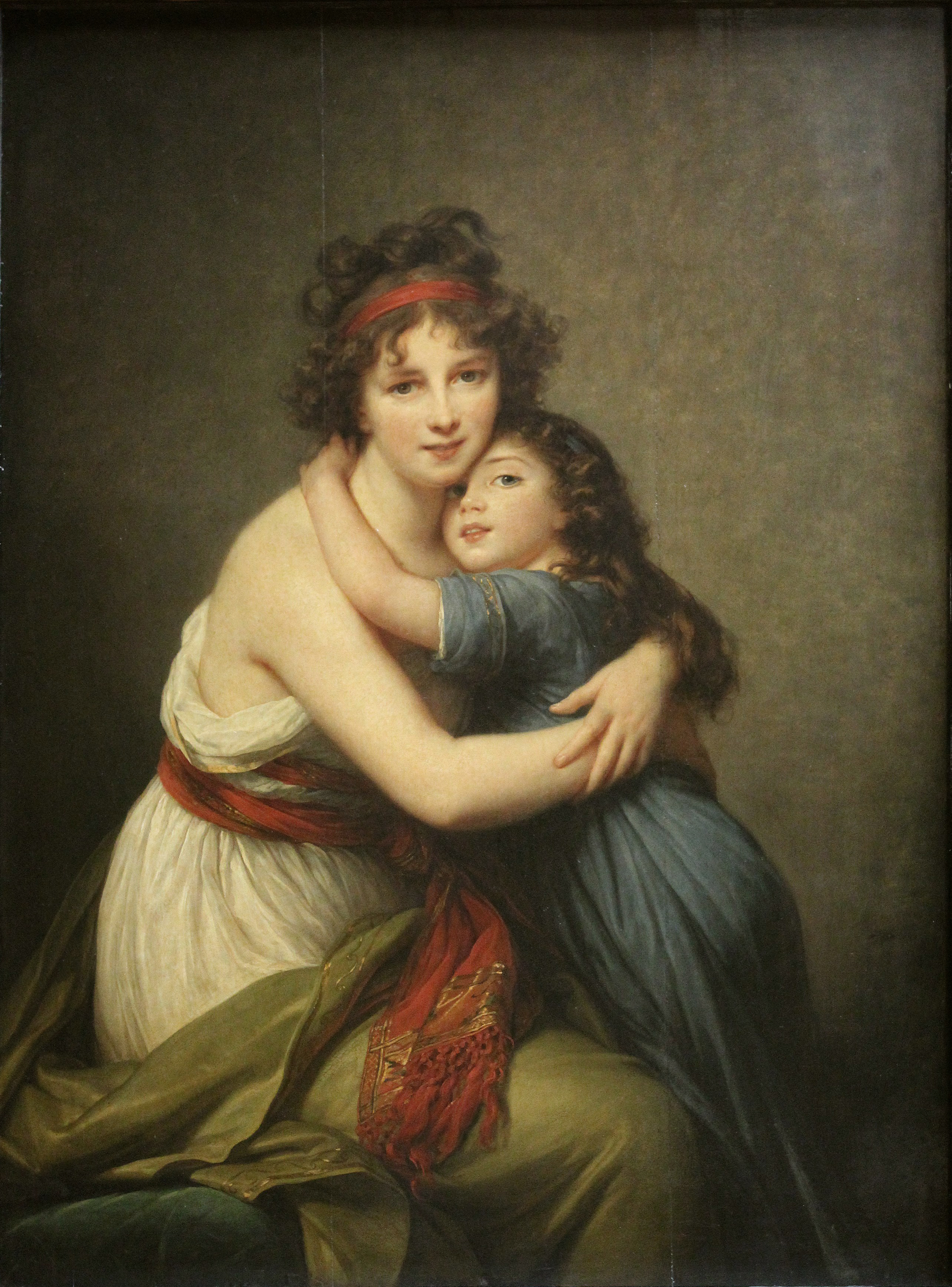
Familiäre Liebkosung, Mutter und Tochter
Malerin: Elisabeth Louise Vigée-Lebrun, 1789


Oxytocin, das Vertrauenshormon


Jungfrau und Einhorn, Fresko
Maler: Domenichino, Palazzo Farnese, Rom, ca. 1602

Das Vertrauenshormon Oxytocin

  • ist ein Neurotransmitter und Hormon, das ausgesprochen zur Vertrauensbildung und der Förderung von Großzügigkeit dient. Es fördert menschliche Beziehungen, indem es dazu anregt, Beziehungen mit anderen einzugehen und zu pflegen.
    • stärkt die Verbundenheit unter Säugetieren und agiert in festen Partnerschaften als Neuromodulator.
  • Testosteron bremst die Bindungsbereitschaft, fördert Selbstsucht und reduziert die Bereitschaft zur Großzügigkeit.
  • Cortisol ist eines der stärksten Stresshormone im Körper.


  • Der Hypothalamus von Männern und Frauen weist einen deutlichen Sexualdimorphismus auf. Nur bei Männern besteht eine Koppelung von sexueller Erregung, Aggressivität und Dominanzverhalten. In Verbindung mit einem signifikant erhöhten Testosteronspiegel und einem deutlich gesenkten Serotoninspiegel verüben prädisponierte Männer Gewalttaten. Serotonin, Oxytocin und das Neuropeptid Y tragen zur Beruhigung und zur Aggressionskontrolle bei.
    "NUR bei Männern – ist der Hypothalamus das Agens von sexueller Erregung UND Gewalt.
    Videointerview mit Prof. Gerhard Roth, deutscher Neurologe, Hirnforscher, The difference between men's and women's brains [Der Unterschied zwischen den Gehirnen von Männern und Frauen]], YouTube Film, Minute 1:11, 1:45 Minuten Dauer, eingestellt 17. Oktober 2007
    Sh. auch: Prof. Gerhard Roth, deutscher Neurologe, Hirnforscher, Freier Wille, Verantwortlichkeit und Schuld


Amerikanische Neurologen haben an knapp 50 Probanden herausgefunden entdeckt, wie und wo sich das Gefühl des Vertrauens im Gehirn bemerkbar macht. Aktiv wird vor allem die Hirnregion namens Nucleus caudatus. Dort werden die Reaktionen des Gegenübers bewertet, woraus entsprechend Vertrauen oder Misstrauen folgt.
Quelle: Wo das Vertrauen wohnt. Forscher identifizieren Hirnregion, die Reaktionen anderer Menschen erkennt und kategorisiert, Science, Vol. 308, S. 78, Bild der Wissenschaft, 1. April 2005

Vertrauen und Wirtschaft

1996 führten der US-amerikanische Neurowirtschaftswissenschaftler Dr. Paul Zak The Center for Neuroeconomics Studies (CNS), und seine Kollegen eine internationale Vertrauensstudie durch.
Die Studienteilnehmer beantworteten folgende Frage:

“Würden Sie generell sagen, dass die meisten Menschen
a) vertrauenswürdig sind oder

b) man nie zu vorsichtig sein kann im Umgang mit anderen Menschen?”


Die statistische Auswertung der Antworten ergab hinsichtlich der wirtschaftlichen Entwicklung folgende Studienergebnisse:

  • Vertrauen fördert den wirtschaftlichen und den moralischen Fortschritt in der Gesellschaft.
  • Vertrauen ermöglicht
    • Handelsbeziehungen mit geringeren Abwicklungskosten,
    • weniger gescheiterten Verhandlungsgesprächen,
    • Schlichtungen und
    • unnötigen Gerichtsprozessen.
  • Je größer das Vertrauen unter den Bürgern ist, umso mehr verringern sich Diskriminierung und wirtschaftliche Ungleichheit.
  • Wenn sich das Vertrauen in die Mitbürger eines Landes um 15% erhöht, steigt dessen Wirtschaftswachstum um jeweils $ 430.
    • Skandinavische und südostasiatische Staatsangehörige vertrauen ihren Landsleuten mehr als die Menschen in Südamerika und Osteuropa.
    • In ärmeren Ländern, wie beispielsweise Indien, ist das Maß an Vertrauen größer als in reicheren Ländern, wie etwa den USA.


Wirtschaftswissenschafter haben festgestellt, dass das zwischenmenschliche Vertrauen das stärkste Indiz für Armut in der Welt ist. Dies ist eine gewichtige Neuigkeit. Wir müssten jedoch über Studien ermitteln, wie man die Vertrauensbildung stärken kann. Paul Zak, Ph.D., US-amerikanischer Neurowirtschaftsexperte, Claremont Graduate Universität, Südkalifornien

Resilienz – Verhältnis: Zwei Drittel ⇔ Ein Drittel

Der Psychoanalytiker, Kinderpsychologe und KZ-Überlebende Jude Bruno Bettelheim, der im Alter Selbstmord begangen hat, bestätigt in einer psychologischen Analyse in seinem Buch Aufstand gegen die Masse. Die Chance des Individuums in der modernen Gesellschaft (1980) folgende verhältnismäßige soziologische Faustregel angesichts der Bewältigung von einschneidenden Lebenskrisen.


Reaktionsschema bei Extremsituationen
DrittelungBiblischer HinweisVerhaltensqualitätBeschreibung
1. DrittelOhne Brot sind sie nicht imstande dazu!Sie können nicht.Ein Drittel der ins KZ verschickten Juden und Sinti sind bereits während des Transports aus Angst vor der Ungewissheit ihres Schicksals und der Aussicht auf das Lagerleben gestorben.
2. DrittelOhne Spiele sind sie nicht bereit dazu!Sie wollen nicht.Das zweite Drittel starb während der KZ-Inhaftierung, weil die Bedingungen dort unerträglich für sie waren.
3. DrittelMit nur wenig BROT und SPIELEN halten sie durch.Wenn der Tipping Point erreicht ist, geschieht die Wandlung.Das letzte Drittel entkam auf wundersame Weise beziehungsweise es überlebte die Torturen der persönlichen Entmachtung bis zur Befreiung durch alliierte Truppen. Die Befreiten oder Freigewordenen verdankten dies ihrer geistig-seelischen Stärke, ihrem unerschütterlichen Vertrauen in ihr Schicksal und ihrer körperlichen Disziplin.[*]
Siehe auch 2/3:1/3-Verhältnis in der apokalyptischen Offenbarung (NT) – Ein Drittel der Menschheit besteht die "Tage der Trübsal".


  • Aaron Antonovsky wertete 1970 eine Erhebung über die Anpassungsfähigkeit von Frauen verschiedener ethnischer Gruppen an die Menopause aus. Eine Gruppe war 1939 zwischen 16 und 25 Jahre alt gewesen und hatte sich zu dieser Zeit in einem nationalsozialistischen Konzentrationslager befunden. Ihr psychischer und körperlicher Gesundheitszustand wurde mit der einer Kontrollgruppe verglichen. Der Anteil der in ihrer Gesundheit nicht beeinträchtigten Frauen betrug in der Kontrollgruppe 51 %, im Vergleich zu 29 % der KZ-Überlebenden. Nicht der Unterschied an sich, sondern die Tatsache, dass in der Gruppe der KZ-Überlebenden 29 % der Frauen trotz der unvorstellbaren Qualen eines Lagerlebens mit anschließendem Flüchtlingsdasein als (körperlich und psychisch) ‚gesund’ beurteilt wurden, war für ihn ein unerwartetes Ergebnis. Wikipedia Salutogenese

Verlorenes Vertrauen durch aufrichtiges Aussöhnen zurückgewinnen


Die fünf Schritte einer Entschuldigung
StufeHandlungsschrittBeschreibung
1.Übertretung anerkennenDer Angreifer versteht genau, inwiefern er/sie sich fehlverhalten hat.
2.Verantwortung übernehmenDer Angreifer übernimmt die persönliche Verantwortung für den angerichteten Schaden.
3.Reue zeigenEs gibt keinen Ersatz für die magischen Worte “Es tut mir leid” oder “Ich bitte um Entschuldigung”.
4.Wiedergutmachung leistenDer Angreifer gleicht den Schaden gegenüber dem Geschädigten aus. Wenn dies nicht möglich ist, bekundet er seine Absicht, nicht mehr zu beleidigen.
5.Besserung gelobenDer Angreifer bekundet seine Absicht, das ungebührliche oder unachtsame Verhalten nicht zu wiederholen.


Quelle: John Kador, Hungarian US American author, Effective Apology. Mending Fences, Building Bridges, and Restoring Trust
[Die wirksame Entschuldigung. Zäune flicken, Brücken bauen, Vertrauen wieder gewinnen], Berrett-Koehler Publishers, 1. Mai 2009

Zitate zum Thema Vertrauen / Trust

Zitate allgemein

  • Verlass dich nicht auf deinen Verstand, sondern setze dein Vertrauen ungeteilt auf den HERRN! Sprüche 3, 5 (AT)


  • Vertraut nicht den Lehrern, sondern der Lehre;
    Vertraut nicht den Worten, sondern ihrem Sinn;
    Vertraut nicht dem relativen Sinn, sondern dem Absoluten;
    Vertraut nicht dem Intellekt, sondern der Weisheit. Gautama Buddha [BW 1000] (563-483 v. Chr.) indischer Avatar, Lehrer der Erleuchtung, Zentralfigur des Buddhismus


  • Unsere Fähigkeit zur Vertrautheit gründet auf einem tiefen Respekt, einer Präsenz, die erlaubt, dass das, was wahr ist, sich zum Ausdruck bringen kann, dass es entdeckt werden kann. Buddhistische Weisheit


  • Freundlichkeit in Worten schafft Vertrauen. Freundlichkeit im Denken schafft Tiefe. Freundlichkeit im Geben schafft Liebe. Laotse [BW 610] (604-531 v. Chr.) chinesischer Weiser, Philosoph, Begründer des Taoismus


  • Ein weiser Mann vertraut einem Menschen nicht nur aufgrund seiner Worte. Genausowenig verwirft er Worte nur aufgrund des Menschen, der sie gesprochen hat. Konfuzius [BW 590] (551-479 v. Chr.) chinesischer Weiser, Sozialphilosoph


  • Man kann Menschen nicht vertrauen, man kann nur der der Energie vertrauen. Rosalyn L. Bruyere (*1946) US-amerikanische Heilerin, spirituelle Lehrerin, Heilerin, weiße Medizinfrau, Energieheilerin, Auraleserin, Crucible Seminar Zeremonien und Rituale im Alltag, Reichenschwand, Bayern, Deutschland, 27. März 2011


  • Es ist wichtig zu unterscheiden zwischen echter Demut, die eine Form von Bescheidenheit ist, und mangelndem Vertrauen. Sie sind keineswegs identisch, obwohl viele sie verwechseln. Dies mag ansatzweise erklären, weshalb man heutzutage vor allem im Geschäfts- und Berufsleben Demut oft als Schwäche statt als Ausdruck innerer Stärke betrachtet. Dalai Lama XIV. (Tenzin Gyatso) [Tanchu Dhondup] [BW 570] (*1935) tibetischer Mönch, geistliches Oberhaupt des tibetischen Buddhismus, Linienhalter der Gelug-Schule, Friedensnobelpreisträger, 1989, Facebook Kommentar, 29. Oktober 2010


  • Vertrauen schließt Angst aus – und die Bitte ein! Gitta Mallasz, Lela Fischli, Die Antwort der Engel. Ein Dokument aus Ungarn, Himmlische Pädagogik, Lektion XIII, Erstaufzeichnung 25. Juni 1943, Daimon Verlag, 12. Auflage, Juni 2005


  • Handle, als ob alles von dir abhängt, vertraue, als ob alles von Gott abhängt. Ignatius von Loyola (1491-1556) spanischer Ritter, Einsiedler, Theologe, Mitbegründer, erster Superior des Jesuitenordens


  • Vertrauen ist eine Oase des Herzens, die von der Karawane des Denkens nie erreicht wird. Khalil Gibran (1883-1931) libanesisch-amerikanischer Maler, Philosoph, Dichter


  • Sobald du dir vertraust, sobald weißt du zu leben. Johann Wolfgang Goethe [BW 465] (1749-1832) deutscher Schriftsteller, Bühnendichter, Dichter, Faust


  • Die Zeit bringt Rat. Erwartet 's in Geduld. Man muss dem Augenblick auch was vertrauen. Friedrich Schiller (1759-1805) deutscher Schriftsteller, Dichter, Philosoph, Historiker


  • Wer auf seine eigene Kraft vertraut, ist mächtiger als das Schicksal. Lucius Annaeus Seneca (etwa 1-65 n. Chr.) römischer stoischer Philosoph, Dramatiker, Naturforscher, Staatsmann


  • Habe Vertrauen zum Leben – und es trägt dich lichtwärts. Lucius Annaeus Seneca d.J. (etwa 1-65 n. Chr.) römischer stoischer Philosoph, Dramatiker, Naturforscher, Staatsmann


  • Auch der Träume Quelle ist versiegt. Doch vertrau! Am Ende deines Weges wird Heimat sein. Hermann Hesse (1877-1962) deutsch-schweizerischer Dichter, Schriftsteller


(↓)

Siehe auch:

Steve Jobs' 2005 Stanford Commencement Address, YouTube Film, 15:05 Minuten Dauer, eingestellt 7. März 2008

  • Wenn Sie in die Zukunft blicken, können Sie nicht erkennen, wo Zusammenhänge bestehen. Das wird erst in der Rückschau möglich. Das heißt, Sie müssen darauf vertrauen, dass sich die einzelnen Mosaiksteinchen in Ihrer Zukunft zu einem Gesamtbild zusammenfügen. Sie müssen auf etwas vertrauen – Ihr Bauchgefühl, das Schicksal, das Leben, Karma, egal was. Denn der Glaube daran, dass sich irgendwann die einzelnen Mosaiksteinchen zusammenfügen werden, gibt Ihnen die Zuversicht, dem Ruf Ihres Herzens zu folgen. Auch wenn der Sie abseits der ausgetretenen Wege führt – aber das macht den Unterschied. Steve Jobs (1955-2011) US-amerikanischer Computerindustrieller, Erfinder, Mitgründer und Geschäftsführer von Apple Inc., Abschlussrede vor Studienabsolventen der kalifornischen Stanford Universität, Palo Alto, 14. Juni 2005


  • Er [ Hermann Hesse ] sei sehr scheu gewesen, sagt sie [Hesses Hausbesorgerin], habe sich nur mit wenigen Menschen unterhalten. Einmal morgens habe sie sein Zimmer geputzt, und beim Blick aus dem Fenster habe sie beobachtet, wie ihm eine Dohle aus der Hand fraß. Frau Schneider sagt: »Ich fragte mich, ob es eine zahme Dohle war oder ob der Vogel gemerkt hat, dass vor ihm ein ganz besonderer Mensch stand.« Tomas Niederberghaus, Schlussakt mit Hesse, ZEIT Nr. 43 (online), 16. Oktober 2008  


  • Der Mensch kann nicht leben ohne ein dauerndes Vertrauen zu etwas Unzerstörbaren in sich, wobei sowohl das Unzerstörbare als auch das Vertrauen dauernd verborgen bleiben können. Eine der Ausdrucksmöglichkeiten dieses Verborgenseins ist der Glaube an einen persönlichen Gott. Franz Kafka (1883-1924) österreichisch-ungarischer kulturell einflussreicher deutschsprachiger Romanschriftsteller, Aphorismen, 1918


(↓)

Siehe auch:

Zitate von Franz Kafka

  • Alles Reden ist sinnlos, wenn das Vertrauen fehlt. Franz Kafka (1883-1924) österreichisch-ungarischer kulturell einflussreicher deutschsprachiger Romanschriftsteller


  • Wenn man einem Menschen trauen kann, erübrigt sich ein Vertrag. Wenn man ihm nicht trauen kann, ist ein Vertrag nutzlos. Jean Paul Getty (1892-1976) US-amerikanischer Öl-Tycoon, Industrieller, Kunstmäzen


  • Vertraue auf Allah, doch zuvor binde deinem Kamel die Knie. Arabisches Sprichwort, Vorsichts-Motto


  • Wir haben so wenig Vertrauen in die Gezeiten des Lebens, der Liebe, der Beziehungen. Begeistert bejubeln wir die Flutzeiten und weichen entsetzt vor der Ebbe zurück mit der Befürchtung, dass die Flut nie wiederkehren wird. Wir drängen auf Beständigkeit und Dauer, wo doch die einzig mögliche Kontinuität im Leben wie in der Liebe Wachsen, Fließen, Freiheit ist. Die einzig wirkliche Sicherheit liegt nicht im Besitz, nicht im Fordern oder Erwarten, nicht einmal im Hoffen. Die Sicherheit in einer Beziehung liegt nicht im Blick zurück auf das, was sein könnte, sondern im Leben, in der Gegenwart und im Akzeptieren dessen, was ist. Anne Morrow Lindbergh (1906-2001) US-amerikanische Pionierpilotin, Autorin, Ehefrau des Piloten Charles Lindbergh, Muscheln in meiner Hand


  • Heilung besteht darin, zu lernen, dem Leben zu vertrauen. Jeanne Achterberg, Ph.D., US-amerikanische Professorin in Psychologie, Saybrook Institute, San Francisco, ehemals Präsidentin der Association of Transpersonal Psychology


  • Du wirst vielleicht enttäuscht werden, wenn Du zuviel vertraust, du wirst jedoch qualvoll leben, wenn du nicht genug vertraust. Frank Crane (1873-1948) US-amerikanischer Bühnen- und Filmschauspieler, Filmregisseur


  • Warum denn gleich sachlich werden wenn es auch persönlich geht? André Heller (*1947) österreichischer Chansonnier, Aktionskünstler, Kulturmanager, Autor, Schauspieler


  • Vertraue nur dir selbst, wenn andere an dir zweifeln, aber nimm ihnen ihre Zweifel nicht übel. Rudyard Kipling (1865-1936) britischer Schriftsteller, Dichter, Literaturnobelpreisträger, 1907


  • Vertrauen ist das Gefühl, einem Menschen sogar dann glauben zu können, wenn man weiß, dass man an seiner Stelle lügen würde. H. L. Mencken (1880-1956) US-amerikanischer Schriftsteller, Journalist, Literaturkritiker, Kolumnist, Satiriker


(↓)

Vertrauensbildende Soziale Netzwerke und Netzgemeinschaften

Social Media erhöhen die Produktion des Schmusehormons Oxytocin und mindern Stress.

(↓)

Siehe auch:

Social Media Increases “Cuddle” Chemical Production in the Brain (engl.)


  • Sie vertrauen mir, diese Idioten. Mark Zuckerberg (*1984) US-amerikanischer Gründer von Facebook, jüngster Milliardär der Welt, in einem IM Chat, bezogen auf Harvard-Studenten, die Facebook ihre Telefonnummern und Email-Addressen anvertrauen


  • »Vertrau mir!« (Trust in me.) Beschwörungslied der Schlange Kaa an das Findelkind Mogli, Disney Film Dschungelbuch, 1967


  • "Wir wollen alle besser werden." Schlange Kaa, Dschungelbuch, Disney Film


Als ich mich selbst zu lieben begann, habe ich verstanden, dass ich immer und bei jeder Gelegenheit, zur richtigen Zeit am richtigen Ort bin und dass alles, was geschieht, richtig ist – von da an konnte ich ruhig sein. Heute weiß ich: Das nennt man VERTRAUEN.


Charlie Chaplin (1889-1977) englischstämmiger Schauspieler, Filmregisseur,
Rede zu seinem 70. Geburtstag, 16. April 1959, Über SELBSTLIEBE,
YouTube Film, 4:00 Minuten Dauer, 11. November 2010

Zitate allgemein (engl.)

Behold, the hour cometh, yea, is now come, that ye shall be scattered, every man to his own, and shall leave me alone: and yet I am not alone, because the Father is with me. John 16, 32 (NT) translation by George Lamsa


Ask God for good things and trust that they will be given. Matthew 7, 7-11, Luke 11, 9-13 (NT)


Trusting without wavering.
Love bears all things, believes all things, hopes all things, endures all things. 1. Corinthians 13, 7 (NT)


  • Have confidence in the truth, although you may not be able to comprehend it, although you may suppose its sweetness to be bitter, although you may shrink from it at first. Trust in the Truth. [...] Have faith in the Truth and live it. Buddha [LoC 1,000] Indian avatar, teacher of enlightenment, central figure of Buddhism


  • I know God will not give me anything I can't handle. I just wish He wouldn't trust me so much. Mother Teresa [LoC 710] (1910-1997) Albanian born Indian Catholic humanitarian, missionary,  founder of the Order of the Missionaries of Charity, Nobel Prize for Peace winner, 1979


  • A definite conception of God (such as that of the Divine Mother) is necessary, otherwise one does not receive a clear response. And the demand for the Lord's reply should be strong; a half-believing prayer is not sufficient. If you make up your mind: "He is going to talk with me"; if you refuse to believe differently, regardless of how many years He has not answered you; if you go on trusting Him, one day He will respond. Paramahansa Yogananda [LoC 540] (1893-1952) Indian Hindu sage, philosopher, author, How You Can Talk with God


  • You can't trust people, you can only trust the energy. Rosalyn L. Bruyere (*1946) US American spiritual teacher, white medicine woman, Crucible Intensive Seminar Ceremony and Ritual in Daily Life, Reichenschwand, Germany, 27. March 2011


  • Intuition, the mystical sense, started to frighten people. […] Women don't trust their own mystical sense. They deny their own. [They]'ve bought into the system that reason governs the soul. Caroline Myss, Ph.D. Myss.com (*1952) US American spiritual teacher, mystic, medical intuitive, five-time New York Times bestseller author, lecturer, The Sacred Spaces, chapter 1, Morocco, October 2011


  • Security is mostly a superstition. It does not exist in nature, nor do the children of men as a whole experience it. Avoiding danger is no safer in the long run than outright exposure. Life is a daring adventure or nothing at all. Helen Keller [arnd. LoC 520] (1880-1968) US American deafblind author


  • Trust in dreams, for in them is hidden the gate to eternity. Khalil Gibran (1883-1931) Lebanese American painter, philosopher, poet, writer


  • Faith is not belief without proof, but trust without reservation. David Elton Trueblood (1900-1994) US American Quaker theologian, author, former chaplain both to Harvard and Stanford universities


  • Self-trust is the first secret of success. Ralph Waldo Emerson [LoC 485] (1803-1882) US American poet, essayist, lecturer, Unitarian


  • Trust men and they will be true to you; treat them greatly, and they will show themselves great. Ralph Waldo Emerson [LoC 485] (1803-1882) US American poet, essayist, lecturer, Unitarian, Essays, First Series: Prudence, 1841


  • Wise men put their trust in ideas and not in circumstances. Ralph Waldo Emerson [LoC 485] (1803-1882) US American poet, essayist, lecturer, Unitarian


  • Love all, trust a few, do wrong to none. William Shakespeare [LoC 465] (1564-1616) English dramatist, playwright, lyricist, actor


  • As soon as you trust yourself, you will know how to live. Johann Wolfgang Goethe [LoC 465] (1749-1832) German poet, polymath, playwright, Faust


  • Trust one who has gone through it. Virgil (70-19 BC) classical Roman poet, The Aeneid


  • Trust only movement. Life happens at the level of events, not of words. Trust movement. Alfred Adler (1870-1937) Austrian medical doctor, psychotherapist, founder of the school of individual psychology


  • Faith requires trust in inner guidance and powers not seen.
    Faith trusts the necessity for purification, even when it is painful.
Gloria Karpinski, US American holistic counselor, spiritual teacher, author, Barefoot on Holy Ground. Twelve Lessons in Spiritual Craftsmanship, pg. 248-249, Wellspring/Ballantine, 1st edition, 1. Mai 2001


(↓)

Trust influences economy

Countries where the level of trust in society is very low have a lot of difficulty thriving economically – so you need a certain level of trust to get moving.

  • Corruption is a measure of trust in society, and trust, it turns out, should be essential to well-being. […]
    But even when you look at the Western world where GDP is more or less constant, you find large effects of trust, and that’s why Northern Europe always emerges at the best place to be in the world in terms of well-being research. Daniel Kahnemann, Ph.D. (*1934) Israeli-American professor in psychology, Princeton, founder of behavioral economics, Nobel laureate in economic sciences, 2002, cited in: Questioning a Chastened Priesthood, presented by International Money Fund imf.org, Jeremy Clift, Finance & Development, Volume 46, Number 3, September 2009


  • The age-old myth that money buys happiness needs to be refined, as does the competing myth that wealth does not matter. What he’s found in comparative studies of nations is that both the level of corruption and the degree of trust in society are important predictors of well-being. Daniel Kahnemann, Ph.D. (*1934) Israeli-American professor in psychology, Princeton, founder of behavioral economics, Nobel laureate in economic sciences, 2002, cited in: Questioning a Chastened Priesthood, presented by International Money Fund imf.org, Jeremy Clift, Finance & Development, Volume 46, Number 3, September 2009


  • Men have been programmed by society not to be intimate.
    What do men want from women? – Sex.
    What do women want from men? – Security and Money.
    What kind of relationship does that make? – Prostitution.
    We [men] lie a lot. [...] We are gonna fake it. [...] Truthfully what we [men] want is the same that you [women] want. Men are women turned inside out. We are. Audio interview with Dr. Stan Dale (1929-2007) US American sex, love and intimacy expert, founder of Human Awareness Institute on Intimacy [i.e. "into me you see"], May 1993


  • Intimacy is a quality we bring with us – not something that we have to look for outside of ourselves. But the "truth of who we are" is both an individuated self and a participating aspect of Sacred Wholeness. In fact, if we are not aware of where the individuated self ends and the other begins we begin to mistake enmeshment and co-dependency for intimacy. To really receive the other there must be some degree of awareness of both the inter-beingness and the "I am" that can receive. Oriah Mountain Dreamer, Canadian author, poet, public speaker, Facebook comment, 4. March 2011


(↓)

Male initiation

  • The only external power that you can trust is in men who have also found their real inner power. Power it seems is the key fascination in the male soul and in every male archetype. It does not go away by churchy preaching or cultural poverty. It just takes disguised and different forms and finally comes back to defeat most worthwhile projects or worse, keeps them from ever getting started. If the male does not experience his power and his possibilities, if he does not let others educate it and tame it, power needs/ego needs tend to control his whole agenda. It does not go away. Primal cultures understood this to an amazing degree, and they took steps to insure that it would not keep happening and subverting their community. Father Richard Rohr O.F.M. (*1943) US American Franciscan friar, Made not Born: Men and Power, presented by Malespirituality.org, July 2003


  • Trust yourself. Create the kind of self that you will be happy to live with all your life. Make the most of yourself by fanning the tiny, inner sparks of possibility into flames of achievement. Golda Meir (1898-1978) Israeli Founder, Prime Minister


  • [G]overnance can only be based on clarity of shared intent and trust in expected behavior, heavily seasoned with common sense and tolerance […] [R]ules and regulations, laws and contracts, can never replace clarity of shared purpose and clear, deeply held principles about conduct in pursuit of it. Principles are never capable of ultimate achievement, for they resume constant evolutionary change.
    Do unto others as you would have others do unto you is a true principle, for it says nothing about how it must be done. Dee Ward Hock (*1929) US American founder and CEO Emeritus of the VISA credit card association, founder of non-profit organization The Chaordic Commons, Birth of the Chaordic Age, Berrett-Koehler Publishers Inc., 1999


  • Statistics show that intimate relationships with trusted companions both increase longevity and protect health, which suggests that overcoming our biological imperative may indeed be wise. Marnia Robinson, US American former corporate lawyer, researcher and author on ancient sacred-sex prescriptions, Open Letter to Gnostic Scholars, undated


  • Man cannot live without a permanent trust in something indestructible in himself, though both the indestructible element and the trust may remain permanently hidden from him. One of the ways in which this hiddenness can express itself is through faith in a personal god. Franz Kafka (1883-1924) Austrian-Hungarian culturally influential German-language novelist, Aphorisms, 1918


(↓)

Michelangelo effect


  • A man who doesn't trust himself can never truly trust anyone else. Jean François Paul de Gondi [Cardinal de Retz] (1613-1679) French churchman, writer of memoirs, agitator in the Fronde, Memoirs


  • For it is mutual trust, even more than mutual interest that holds human associations together. Our friends seldom profit us but they make us feel safe. [...] Marriage is a scheme to accomplish exactly that same end. H. L. Mencken (1880-1956) US American journalist, essayist, magazine editor, satirist, critic of American life and culture


  • God has entrusted me with myself. Epictetus (60-100 AD) Greek stoic philosopher


  • To persevere, trusting in what hopes he has, is courage in a man. The coward despairs. Euripides [LoC 470] (480/485/484-406 BC) Greek philosopher, writer


  • You may be deceived if you trust too much, but you will live in torment if you don't trust enough. Frank Crane (1873-1948) US American stage and film actor, director


  • The best proof of love is trust. Joyce Brothers, Ph.D. (*1928) US-American psychologist, columnist, author


  • Trust yourself. You know more than you think you do. Benjamin Spock (1903-1998) US-American pediatrician, author


  • Faith is not belief without proof, but trust without reservation. D. Elton Trueblood (1900-1994) noted 20th century US American Quaker author, theologian, former chaplain both to Harvard and Stanford universities


  • Trust is essential in any relationship, be it with a loved one or a friend. It is the very glue that holds that bond together. But it is a fragile thing. It takes only suspicion, not proof to take it all away. Anonymous


  • It is impossible to go through life without trust: That is to be imprisoned in the worst cell of all, oneself. Graham Greene, OM, CH (1904-1991) English author, playwright, literary critic, The Ministry of Fear


  • The chief lesson I have learned in a long life is that the only way to make a man trustworthy is to trust him; and the surest way to make him untrustworthy is to distrust him and show your distrust. Henry L. Stimson (1867-1950) US American statesman, lawyer, Republican Party politician, spokesman on foreign policy, Secretary of War (1911-1913) and (1940–1945)


  • Mistrust the man who finds everything good, the man who finds everything evil and still more the man who is indifferent to everything. Johann Kaspar Lavater (1741-1801) Swiss poet, physiognomist


  • It is better to suffer wrong than to do it, and happier to be sometimes cheated than not to trust. Samuel Johnson (1709-1784) English author, poet, essayist, moralist, literary critic, biographer, editor, lexicographer


  • A wound is just a highway to a new and enlightened kind of confidence. Damage is one of the things in emotional aesthetics that makes something great. Like all he scars on a tree or a banged up coffee cup or whatever. Everything you go through is marking your soul. And if you have the courage to face yourself, the whole package, you will receive an extraordinary amount of power you may have never realized was there. Kathryn Dawn Lang, (*1961) stage name k.d. lang, Canadian pop and country singer-songwriter, actress


  • Well, I think if you say you're going to do something and don't do it, that's trustworthiness. George W. Bush (*1943) 43rd US American president (2000-2009), CNN chat


  • People who have given us their complete confidence believe that they have a right to ours. The inference is false, a gift confers no rights. Friedrich Nietzsche (1844-1900) German classical scholar, critic of culture, philosopher of nihilism [LoC 120]


  • I'm not upset that you lied to me, I'm upset that from now on I can't believe you. Friedrich Nietzsche (1844-1900) German classical scholar, critic of culture, philosopher of nihilism [LoC 120]

Zitate (engl.) – David R. Hawkins

I will say of the LORD, He is my refuge and my fortress; my God; in him will I trust.
He will cover you with his feathers, and under his wings you shall trust;
For thou, O LORD, art my trust; thou hast established thy habitation in the highest.
Psalm 91 (OT), Lamsa Bible online


Personal avowals

  • Through prayer and meditation one is willing to take a risk. One develops faith. Faith and trust become stronger and stronger. Faith and trust become strong enough so that eventually you’re willing to walk off the cliff. I have walked off the cliff a number of times in my lifetime. I've walked off the cliff where all certainty was left behind. And if there was something in the Universe, It would pick you up and carry you through. And if there wasn’t, then that was the end. And, I've had to do it several times and so I've developed the capacity to do it. I've developed sufficient faith and trust that what I really know to be true, I now trust, despite the evidence in my senses and I will walk off a cliff if need be. Dr. David R. Hawkins, Farmingdale, New York, Seminar Giving Up Illness and not Recognizing Death through A Course in Miracles, sponsored by The Bridgebuilders, CD 2 or 3 of 3, 11. June 1983


  • Through the study of A Course in Miracles [LoC 550/600] and meditation, kundalini (spiritual energy) began flowing up the back. So, one does the Course of Miracles continually and if the physicality gets healed or not is totally irrelevant! In that state, the kundalini energy pours in and you don't need anything! I trusted God and the Course in Miracles 100%. Sedona Seminar God Transcendent and Immanent, 3 DVD set, November 2002


  • Seek to understand rather than to condemn. Venerate the teachers of these basic principles and ignore all others. Apply these principles to one's view of oneself as well as of others. Trust in love, mercy, infinite wisdom and compassion of Divinity which sees through all human error, limitation, and frailty. Place faith and trust in the love of God, which is forgiving, and understand that condemnation and fear of judgement stem from the ego. The Eye of the I, S. 65


  • Although ridiculing faith and trust, skeptics themselves exhibit the same naive confidence and faith in their own subjective internationalizations and mentalized perceptions. The skeptic states that the mind is unable to know the truth, and then, paradoxically, uses that very mind to prove the validity of doubt and mistrust, thus even the skeptic is basically motivated by the same naive trust. Dr. David R. Hawkins, Reality, Spirituality and Modern Man, S. 166


(↓)

Blind faith – “Don't trust.” programs

  • The innocence of the child never changes; in fact, it is the innocence of the child within you that is reading these words this very second. It never changes; it is that same trusting, believing, and 'hoping to hear the truth and be open to it' innocence that continues. Even if you do not believe what you are reading now, it is because some opposite program within your mind says, “Don't trust.” And it was your innocence that bought the program of “Don't trust anybody.” Even the mistrusting person is doing so out of trust. They are trusting the truth of that statement. Maybe one day their father said, “Don't trust anybody out there,” and it was their innocence that bought the distrust. Dr. David R. Hawkins, Healing and Recovery, S. 59-60


  • To be in the space just prior to thought [...] you sense that you are present. You sense that you are in the presence of the allness of us here. Just like when you walk out in nature, just before your stupid mind says, Isn't that a beautiful tree, you catch the space in which you saw the tree's beauty without comment. That's the space you live in. It's just prior to thought. It's easy to just fall back into it. It's not like something you have to accomplish through years of study and meditation. The willingness to trust it' and just drop back into that – that that is your reality. Sedona Seminar Perception and Illusion'', 3 DVD set, 4. May 2002


  • “Trust your brother”, as an example. YES, by all means TRUST their ESSENCE! […]
    Within a certain context and to a certain degree all things are possible. At the same time they are not. […] It's the error of mixing levels. […] You can walk on water at this level, if you try it on that level you are drowned. What's true at one level is not true on another level. […]
    You see what applies to the abstract level may not necessarily apply to the concrete. […] It is true but only within a certain context. [Limitations are humanness, protoplasm, gender, age, space and time.] Dr. David R. Hawkins, Sedona Seminar Advaita. The Way to God through Mind, 3 DVD set, August 2002


  • Pseudo spiritual is: 'Oh I trust everybody, I'm sure I can give anybody my cheeckbook and the keys to my car, and I know I can depend on him to return it.' I got news for you. I had to go down after waiting a month to Cottonwood and get my car because it was still sitting in the driveway, because he was on a bender. I never would've gotten my car back if I waited for the goodness of mankind to blossom through this idiot. So being spiritual doesn't mean being a stupid pussy willow. I say that because people that are naïve pussy willows get taken, not just financially, they get taken spiritually. Dr. David R. Hawkins, Sedona Seminar Karma and the Afterlife, DVD 2 of 2, minute 50:12, October 2002


  • Faith is an aspect of personality without which you wouldn’t live. Faith is really operative at the practical level which has to do with expectation and expected realities, such as, your foot will land on the ground. Spiritual faith is something different – placing your faith in things unseen – trust – the capacity to trust. This comes as an inspiration to do that. This increases the likelihood of the fulfillment of that. The likelihood of it is increased by your commitment and intention that the response is going to be more probable in a certain direction than another. You are affecting probability by intention. The modern mind would like to have it backed up. Faith for its own sake is already a certain sacredness. You are not looking for a payoff. You do it for its own sake and not for some gain. Thereby you fulfill your own potential to evolve. Dr. David R. Hawkins, Sedona Seminar Perception vs. Essence, 3 DVD set, 22. April 2006


  • God is infinitely merciful. Trust in the mercifulness of God. [...] Every hair on your head is counted – not because God is an old crank, but everything you do lays down a karmic track and that is what you are answerable for. God forgives you for that, but he lets you live it through because he knows what will come out of it – strength. Dr. David R. Hawkins, Sedona Satsang Q&A, 2 CD set, 10. January 2007


  • Consciousness knows it from the consciousness. Should the moment arise for you, you won’t know where you got It from either. It’s like a stunning knowingness that stands alone, and something in you tells you that you have to trust it. Dr. David R. Hawkins, Sedona Satsang Q&A, 2 CD set, 10. January 2007


Zitate (engl.) – Paul Zak (Dacher Keltner, Adam Smith)

  • Oxytocin is primarily a molecule of social connection. It affects every aspect of social and economic life, from who we choose to make investment decisions on our behalf to how much money we donate to charity. Oxytocin tells us when to trust and when to remain wary, when to give and when to hold back. Paul Zak, Ph.D., US American professor of neuroeconomics, mathematician, Claremont Graduate University's Center for Neuroeconomic Studies, cited in: Oxytocin: could the 'trust hormone' rebond our troubled world?, presented by The Guardian / The Observer, Mark Honigsbaum, 21. August 2011


(↓)

Five ways to enhance oxytocin levels

  1. Have a good meal with wine.
  2. Sit in the hot tub / warm water.
  3. Go for a walk (with the dog).
  4. Receive a back massage.
  5. Engage in an exciting undertaking.
Video presentation by Paul Zak, Ph.D., US American professor of neuroeconomics, mathematician, Claremont Graduate University's Center for Neuroeconomic Studies, Valentine's Day Tips, YouTube film, 1:10 minutes duration, posted 11. February 2009


  • The levels of the oxytocin spike at the Wedding vows. Among all the tested guests of a wedding the biggest rise was found in the bride and the mother of the bride. The 'cuddle and monogamy chemical' oxytocin fosters trust, bonding and generosity.
    Maybe the reason we have these weddings is not just because of the emotional contagion – the empathy, the love – but because these emotions are linked to helping maintain the human race.
    Video presentation by Paul Zak, Ph.D., US American neuroeconomics expert, Claremont Graduate University, Center for Neuroeconomic Studies, My Big Fat Greek Wedding – Tears, Joy, and Oxytocin, presented by New Scientist, Vimeo film, 2:30 minutes duration, posted 19. February 2010


  • Question: Can neuroeconomics work for individual businesses?
    Answer: If you can induce this oxytocin rich environment, if you can create this environment, then you have a way to drive productivity and drive individual satisfaction for being part of this organization. We have a purpose, we are here to serve others and we see this as some endeavor that we do together. When do it together we feel good about ourselves and about the people that we’re helping. So what this means is that in the old model, "greed is good," the measurement technique is: lead with fear. In the model, empower individuals to be the best they can be in an organization with purpose, you’re going to lead with love. So if you lead with love then you have this oxytocin environment that will motivate people going beyond, exceeding expectations and leading to delighting the customer, delighting the people around me. And delight is what we really want from a customer experience. Video presentation by Paul Zak, Ph.D., US American neuroeconomics expert, Claremont Graduate University, Center for Neuroeconomic Studies, , 5:06 minutes duration, excerpted from Oxytocin and trust. When We’re Shown Trust, Our Brains Motivate Us To Be Trustworthy, presented by Big Think, 13:25 minutes duration, posted 11. November 2010


  • Those who release more oxytocin when they’re trusted are happier, they report greater satisfaction with life, they have better romantic relationships, they have more friendships, and they have more sex. All that sounds like a pretty good situation to me. So by training your brain to release oxytocin through your behaviors, you can actually improve your life. Video presentation by Paul Zak, Ph.D., US American neuroeconomics expert, Claremont Graduate University, Center for Neuroeconomic Studies, Oxytocin and trust. When We’re Shown Trust, Our Brains Motivate Us To Be Trustworthy, presented by Big Think, 13:25 minutes duration, posted 11. November 2010


  • Oxytocin [selforganizing trade system] first appeared in fish 400 million years ago. [minute 7:38]
    Trade really is about sharing benefits. […] Our biology really tells us that at our hearts we are Libertarians. [minute 9:29]
    Our human nature is one of morality. Morality is what keeps us embedded in the social group. [minute 12:10]
    I want to convince you that at the level of the brain Markets are moral. [minute 2:35]
Video presentation by Paul Zak, Ph.D., US American neuroeconomics expert, Claremont Graduate University's Center for Neuroeconomic Studies, Moral Markets: Oxytocin, Trade, and Human Nature, presented by Reason Foundation, Reason Weekend 2011, recorded by reason.tv, YouTube film, 14:17 minutes duration, posted 26. April 2011


(↓)

Petty evils exhibited by normally virtuous people.

When physiologically stressed and in "survival mode" the testosterone and its bioactive metabolite DHT are released in humans. Stress hormones prevent oxytocin from binding to brain receptors, tipping the balance towards distrust and away from pro-social behaviour.

  • We found that we have not only a biology for reciprocation but we have a biology for punishment. The less you play nice with me – particularly for men – the more I will have a spike in testosterone. The male response is to beat on those who misbehave. [minute 6:22]
    We found in our [longterm] experiments with 1000s and 1000s of people that 5% of the population don't release oxytocin on stimulus. These 5% have very unusual psychological profiles. They look a lot like psychopaths. They are self-deceptive, deceptive, manipulative. They don't attach to one person at a time. They don't form relationships well. They are in survival mode.
    Triggers are: Deficient genetics; bad childhood (a missing feedback system); high stress levels. [minute 10:13]
    Video presentation by Paul Zak, Ph.D., US American neuroeconomics expert, Claremont Graduate University's Center for Neuroeconomic Studies, Moral Markets: Oxytocin, Trade, and Human Nature, presented by Reason Foundation, Reason Weekend 2011, recorded by reason.tv, YouTube film, 14:17 minutes duration, posted 26. April 2011


  • 2 percent of the population have a dysfunction in oxytocin and they act like psychopaths. Those people are dangerous, because they can simulate trustworthyness [related to the oxytocin response]. Audio radio interview with Paul Zak, Ph.D., US American professor of neuroeconomics, mathematician, oxytocin researcher, Claremont Graduate University, Southern California, founder of CNS, Integrity and the Neuroeconomics of Trust, presented by US web radio station Trust-Across-America, minute 52:21, aired 28. July 2010


  • We found that about 95% of the people in our experiments have an intact oxytocin system. When they are trusted they release oxytocin and they reciprocate the money [that they had been given]. But 5% don't. They are dangerous. They have the attributes of psychopaths. They are deceptive. They don't bond well. They don't have a lot of friends. They never reciprocate money. [...] These psychopaths are identifiable with a blood test. They don't have [...] the sense of connection. Video presentation by Paul Zak, Ph.D., US American professor of neuroeconomics, mathematician, oxytocin researcher, Claremont Graduate University, Southern California, The Science of Trust, presented by TEDx Constitution Drive, 2010, YouTube film, minute 10:58, 14:31 minutes duration, posted 29. May 2011


  • About half of the sexually abused women don't release oxytocin on stimulus. High stress is an oxytocin inhibitor. Extra doses of testosterone made men more selfish and willing to punish people who behave immorally. [Paraphrased.] Video presentation by Paul Zak, Ph.D., US American neuroeconomics expert, Claremont Graduate University, Center for Neuroeconomic Studies, Trust, morality — and oxytocin, presented by Global TED Talks, recorded Edinburgh, Scotland, July 2011, minute 11:13, 16:35 minutes duration, posted 1 November 2011


  • Markets are pro-social. Markets are about serving the needs of another – that is innately virtuous. Video Powerpoint discussion by Paul Zak, Ph.D., US American professor of neuroeconomics, mathematician, oxytocin researcher, Claremont Graduate University, Southern California, Markets and the "Molecule of Love", presented by ReasonTV, YouTube film, minute 9:22, 9:46 minutes duration, posted 2. September 2009


  • High trust countries are by and large rich countries or certainly fast growing countries.
    2% of Brasilians trust each other.
    [5% of Peruvians and Phillipinians trust each other.]
    45% of US Americans trust each other.
    66% of Norwegians trust each other.
    Video presentation by Paul Zak, Ph.D., US American neuroeconomics expert, Claremont Graduate University, Center for Neuroeconomic Studies, Why Trust (Or Lack of It) Can Mean Poverty or Prosperity, presented by BigThink, recorded 27. October 2010, interviewed by John Cookson, transcript, YouTube film, minute 0:26, 5:22 minutes duration, posted 20. June 2011


  • Trust for example in China is quite high. China has a very effective government, even though its authoritarian it's market oriented. […] With sufficient growth all authoritarian governments eventually become democracies. [....] As economic growth proceeds it moves power away from the center. When individuals have economic power they can press their governments to be better. That's the way to make progress in developing countries. […] Trust levels in other countries [as in Sub-Saharan Africa and South America, with corrupt governments as Haiti or Venezuala] are so low that you see no or little economic growth. Video presentation by Paul Zak, Ph.D., US American neuroeconomics expert, Claremont Graduate University, Center for Neuroeconomic Studies, Why Trust (Or Lack of It) Can Mean Poverty or Prosperity, presented by BigThink, recorded 27. October 2010, interviewed by John Cookson, transcript, YouTube film, minute 2:31, 5:22 minutes duration, posted 20. June 2011


  • In 1996, neuroscientist Paul Zak and colleagues asked random samples of participants in various countries to answer the following question: “Generally speaking, would you say that most people can be trusted, or that you cannot be too careful in dealing with people?” After statistically controlling for appropriate variables, such as economic development, Zak and colleagues found that for every 15 percent increase in the trust of a nation’s citizens, their economic fortunes rise by $430. Trust facilitates economic exchange with fewer transaction costs, including fewer failed negotiations, adversarial settlements, and needless lawsuits. With increased trust among a citizenry, discrimination and economic inequality fall. High jen ratios promote a society’s economic and ethical progress. […]
    As a generalization, Zak found that Scandinavian and East Asian cultures are more trusting than South American and Eastern European cultures. Poorer nations (India) are often more trusting than wealthier nations (the United States). Dacher Keltner, US American professor of psychology, UCB, director of the Greater Good Science Center, Born to Be Good. The Science of a Meaningful Life, W.W. Norton & Co., 12. January 2009
    cited in: Born to Be Good, NYT, pg. 2 of 6, 18. January 2009


(↓)

Empathy: Humans are essentially "other-regarding" beings with a capacity for "fellow feeling".

  • How selfish soever man may be supposed, there are evidently some principles in his nature, which interest him in the fortunes of others, and render their happiness necessary to him, though he derives nothing from it, except the pleasure of seeing it. Of this kind is pity or compassion , the emotion we feel for the misery of others, when we either see it, or are made to conceive it in a very lively manner. That we often derive sorrow from the sorrows of others, is a matter of fact too obvious to require any instances to prove it; for this sentiment, like all the other original passions of human nature, is by no means confined to the virtuous or the humane, though they perhaps may feel it with the most exquisite sensibility. The greatest ruffian, the most hardened violator of the laws of society, is not altogether without it. Adam Smith [LoC 455] (1723-1790) Scottish US American social and moral philosopher, pioneer of classical political economic theory, Theory of Moral Sentiments, first sentence, 1759


* * *

Living one day at a time;
Enjoying one moment at a time;
Accepting hardships as the pathway to peace;
Taking, as He did, this sinful world
as it is, not as I would have it;
Trusting that He will make all things right
if I surrender to His Will;
That I may be reasonably happy in this life
and supremely happy with Him
Forever in the next.
Amen.


Reinhold Niebuhr (1892-1971) US American theologian, philosopher

Englische Texte – English section on Trust

Oxytocin – the bonding chemical

  1. Oxytocin, an extract from the human posterior pituitary gland, first appeared in fish who adopted a selforganizing trade system 400 million years ago.
  2. Oxytocin was first discovered as the agent that contracted the uterus of a pregnant cat by the British pharmacologist Sir Henry H. Dale in 1909. Using the Greek terms for "quick" and "birth" he named the extract oxytocin.
  3. In the 1970s oxytocin was also found a neurotransmitter. It is acting on the limbic system, the brain's emotional center.
  4. In the 1990s animal studies at the University of Maryland showed that oxytocin fostered bonding and monogamous behaviour in prairie voles.
  5. US American neuroeconomist Paul Zak, Ph.D., leading researcher on oxytocin since the 2001, found that oxytocin holds the key to human morality, policing the "self-other divide" and subtly prodding humans towards virtuous behavior.


An accumulation of oxytocin receptors are found in the amydala and the hypothalamus in the brain.


ItemEffect
~ Oxytocin along with vasopressin ~
1.solidifies relationships
2.promotes attachment
3.improves social skills
4.fosters generosity
5.triggers protective instincts
6.crystallizes emotional memory
7.boosts sexual arousal
8.facilitates child birth
9.induces sleep
10.eases stress
11.reduces drug cravings


Source: Eleven Interesting Effects of Oxytocin, presented by  oxytocinfactor.com, excerpting an article by Maureen Salamon, published at MyHealthNewsDaily.comYouTube film, 2:29 minutes duration, posted 2. June 2011


Oxytocin is the human glue. When a woman has sex with a man, the neuro-peptide, neurotransmitter, and hormone oxytocin is released into her system to strenghten the bond with her lover. If a woman has multiple sexual partners her levels of oxytocin are lowered. This can inhibit her ability to bond to her husband or significant other.
Oxytocin is infused during pregnancy and breast-feeding which helps the mother in the bonding process with her infant.


Women get lots of comfort from talking. As women talk, their body releases a brain hormone called oxytocin, the "feel-good" hormone.
A study suggests soldiers form loyal "Bands of Brothers" fighting and dying for each other because they have the same instincts that let mothers ferociously protect their newborns.
Richard Alleyne, US American science correspondent, Love hormone Oxytocin helps soldiers like each other and hate the enemy, 11. June 2010


The emotions that promote the meaningful life are organized to an interest in the welfare of others. Compassion shifts the mind in ways that increase the likelihood of taking pleasure in the improved welfare of others. Awe shifts the very contents of our self-definition, away from the emphasis of personal desires and preferences and toward that which connects us to others. Neurochemicals (oxytocin) and regions of the nervous system related to these emotions promote trust and long-term devotion. We have been designed to care about things other than the gratification of desire and the maximizing of self-interest.
Dacher Keltner, US American professor of psychology, Berkeley, USA, Born to Be Good. The Science of a Meaningful Life, W.W. Norton & Co., 12. January 2009


The deepest meaning of sexual experience lies not in pleasure, or even in reproduction, but in the opportunity it affords to [overcome self-absorption and build mutual trust].
Walter J. Freeman (*1927) US American biologist, theoretical neuroscientist, philosopher


People who have misused their sexual faculty and become bonded to multiple persons will diminish the power of oxytocin to maintain a permanent bond with an individual.
Drs. John Diggs and Eric Keroack, Abstinence Clearinghouse, USA


The hypothalamus of men and women shows a significant sexual dimorphism. Only with men it is coupled with sexual arousal, aggression and dominant behavior. Predisposed men with significantly high testosterone levels and very low serotonine levels commit violent acts. Serotonine, Oxytocin, and the neuropeptide Y contribute to the calming and to aggression control.

The hypothalamus (saturated with testosterone) – ONLY in men – is the agent of sexual arousal AND for violence.
Gerhard Roth, German professor of neurology, brain researcher, Freier Wille, Verantwortlichkeit und Schuld [German]
- Video presentation The difference between men's and women's brains, YouTube film, minute 1:11, 1:45 minutes duration, posted 17. October 2007


Social media networking releases the hormone oxytocin and reduces stress.

Virtual media can make us more virtuous, better human beings. it is potientially very important because we are all connected to the entire planet through social media.
Video presentation on Paul Zak, Ph.D., US American neuroeconomics expert, Claremont Graduate University, Southern California, Social Network Your Way to Sexual Satisfaction, presented by Center for Neuroeconomics Studies, minute 1:21, 2:22 minutes duration, posted 10. July 2010
See also Social Media Increases “Cuddle” Chemical Production in the Brain


TRUST AND ECONOMY

In 1996, neuroscientist Paul Zak and colleagues performed an international trust study.
Participants in different countries were asked the following question:
“Generally speaking, would you say that most people can be trusted, or that you cannot be too careful in dealing with people?”


After statistical analysis Study results in regard to economic development were:

TRUST

  • promotes and upholds the economic and ethical progress in societies.
  • facilitates economic exchange with fewer transaction costs.
  • allows for fewer failed negotiations and adversarial settlements, and lawsuits.

With increased trust among a citizenry, discrimination and economic inequality fall.


For every 15 percent increase in the trust of a nation’s citizens, their economic fortunes rise by $430.

  • Scandinavian and East Asian cultures are more trusting than South American and Eastern European cultures.
  • Poorer nations, like India, are often more trusting than wealthier nations, like the United States.


Economists have uncovered that interpersonal trust is among the most powerful predictors of whether or not a country will be "rich". Dr. Paul Zak, US American neuroeconomics expert, Claremont Graduate University, Southern California

Bonding and oxytocin enhancing behaviors to deepen the emotional connection  

  • Have a good meal with wine.
  • Sit in the hot tub / warm water.
  • Go for a walk (with the dog).
  • Receive a back massage.
  • Engage in an exciting undertaking.

Source:
Video presentation by Paul Zak, Ph.D., US American neuroeconomics expert, Claremont Graduate University, Southern California,
Claremont Graduate University's Center for Neuroeconomic Studies, Valentine's Day Tips,
YouTube film, 1:10 minutes duration, posted 11. February 2009

Five ways to enhance oxytocin levels


  • Smile while keeping eye contact.
  • Have Skin-to-skin contact.
  • Provide a service or treat without being asked.
  • Give unsolicited approval (i.e. smiles or compliments).
  • Gaze into each other’s eyes for some time.
  • Listen intently, and restate what you hear.
  • Forgive or overlook an error or a thoughtless remark.
  • Prepare food for your partner.
  • Synchronize your breathing with your partners breathing.
  • Kiss with lips and tongues.
  • Cradle, or gently rock, your partner’s head and torso.
  • Hold, or spoon, each other in stillness for at least twenty minutes to a half-hour.
  • Make wordless sounds of contentment and pleasure.
  • Stroke with intent to comfort.
  • Massage with intent to comfort, especially feet, shoulders and head.
  • Hug with intent to comfort.
  • Lie with your ear over your partner’s heart and listen to their heartbeat for some time.
  • Touch and suck of nipples/breasts.
  • Gently place your palm over your lover’s genitals with the intent to comfort them.
  • Make time together at bedtime a priority (even if one of you has to get up afterward).


Sources:
Marnia Robinson, The Lazy Way to Stay in Love, Reuniting.info, 17. June 2008
Video TV interview with Marnia Robinson, How Touch Can Increase Your Relationship Bond!,
presented by TV station AM Northwest, 1. October 2009
Gary Wilson, Studies expand oxytocin’s role beyond ‘cuddle hormone, 15. November 2010

Four categories of women – Ellie Drake


The effects of adrenaline and oxytocin on the human feminine physiology

Rather than competing women are natural givers in life and business, who naturally cooperate and collaborate with others.
Success is networking, developing relationships and taking action.
The bonding hormone oxytocin instills the 'tend and befriend' behavior. It can be secreted on demand by activating the parasympathetic system by trusting the process, exhaling and relaxing the chest area.


#CategoryHormoneExpressionProduction
Nervous system
Brain
Description
_1._Survival
Inhaling

'Fight or flight'
mode
Adrenaline

Expressly Male
Separation
Freedom
Achieving
Prosperity
Sympathetic
nervous system
* Surviving in a competitive corporate environment
* Seen as rather aggressive

* Adrenaline is incongruent to a female body, leads to biochemical confusion.1
_2._Resentment modeMale  * Come across super-sensitive
* Consumed in the manifestation struggle
* Still learning to discern their feelings to those of others
_3._Flow modeFemale  * Following their instincts
Tapped into their courage
* Resulting in some positive and synchronistic incidents
* Lack of congruence, consistency, magnetism, inner power, authentic behavior
_4._Full potential
Exhaling


'Tend and befriend'
mode
2
Oxytocin

Expressly Female
Bonding
Love
Prosperity
Parasympathetic
nervous system
Hippocampus
* Tapped consistently into oxytocin
* Congruence, consistency, magnetism, inner power, authentic behavior
* Seen as rather even-tempered, equaninomous

* Oxytocin is congruent to the female body, leads to biochemical congruency.


Source:
- Dr. Ellie Drake, Women Enpowerment – Are You Tapping Into Your Prosperity Hormone?, 8. October 2010

Three archetypal wounds in trust and love

Interculturally only three basic emotional wounds (known also as 'sacred wounds' or 'felix culpa') were found: ABANDONMENT * SHAMING * BETRAYAL.


Item #Universal WoundThreat for
survival of
TemperatureBody reaction
Defence
Emotional reactionRemedy
Healing process
1.Abandonment
(Most primal)
BODYColdCortisol
Top stress hormone
FearCommitment to Self
Compassion
Taking action
2.ShamingPSYCHEHotPro-inflammatory products
Arthritis, cardiovascular diseases
HumiliationHonoring Self
Dignifying Self
Setting boundaries
3.Betrayal in
loyalty / trust

(Most severe)
MINDHotAdrenalin
Stress hormone
Anger
Rage, Hostility
Loyalty to Self
Trust in Self


The 'sacred wounds' resonate with four levels of human expression and experience:


Item #
LoC
Focus of experienceBody / Temple correspondenceEnergy correspondenceScientific discipline correspondenceRemark
1.
1-200
BodyTwo Feet
___________________
Outside the temple
Nonintegrous duality
Literal
Biology / ScienceCommon sense reality
2.
200-460
Mind Two Legs
___________________
Inside the Temple
Integrous duality
Symbolic
PsychologySymbols, writing, pictures, memes
3.
460-540
Group One Trunk
___________________
Sanctuary, altar
Nonlinearity
Paradoxical
Sociology / LawCultural paradigm
4.
540-600+
Spirit One Head
___________________
Tabernacle
Holy of holies
Nonduality
Transformation
Religion / Mythical beliefsFaith, spirituality


The creation of a more peaceful and happier society has to begin from the level of the individual, and from there it can expand to one's family, to one's neighborhood, to one's community and so on. H.H. 14th Dalai Lama, Facebook comment, 11:09,  9. Januar 2012


Item #Level of expressionDomainBiocognition
Comprising three basic intercultural emotional wounds
1.BodyBiologyPsychoneurocardioimmunologyCommon sense reality
2.MindPsychologyPsychoneurocardioimmunologySymbols, memes
3.Group
Community, world
SociologyMedical anthropologyCultural paradigm
4.Spirit
Spirit world
ReligionMystical theologyFaith, Mythical beliefs


Sources by Mario Martinez, PsyD biocognitive.com, Uruguaian clinical neuropsychologist, contemplative psycho-neuroimmunologist:
- Audio interview: The Mind-Body Code, presented by Sounds True, host Tami Simon, Podcast, 36:46 minutes duration, posted 4. August 2009
- Audio interview: Mind Body Code and How Cultural Beliefs Affect Health, presented by KG Stiles, CBS MP3, aired 20. April 2010
- Video presentation: Embodying The Four Immeasurables, YouTube film, 1:48:40 duration, posted 22. July 2011

Three mating drives Helen Fisher ∞ Three types of integration of Yin and Yang Lao Tzu


Biology of the human mating drives ∞
Energy of the human melting embrace

Neuroanthropologist and brain researcher Dr. Helen Fisher points out three very strong circuits/drives which have evolved in the brain of animals and humans. These drives of mating and bonding may lead one to act self sacrificially (dying for the other) as well as to killing oneself or the other when being rejected.
When these three compartmentalized brain systems are not synchronized with each other trouble may well arise.

1.Mating drives
Bonding pull
Sex driveRomantic loveLongterm attachmentMutual angelic cultivation3
Spiritual bonding
2.Brain circuitReptilian brain
Reptilian complex

Triune brain
Limbic system
Paleomammalian complex
Triune brain
Neocortex
Neomammalian complex
Triune brain
Prefrontal cortex
Etheric brain

Nonlinear immortal brain
3.TimeframeOldest brain
Less older brain
Younger brain
Youngest brain
Spiritual maturity
4 5 6 7
4.Chronos / KairosLinear timeLinear timeLinear timeQuantum time
5.Brain hemisphereLeft brainLeft brainLeft brainRight brain
6.Driving
hormones

Biological sources
Testosterone
Estrogen
Adrenaline
Dopamine
Norephenephrine
Oxytocin
Vasopressine
Oxytocin
Endorphines
7.DriveRandom
Id driven
Deliberate
Ego driven
Committed
Self chosen
Love induced
True love
Inner calling
Spirit induced
8.Sexual ExchangeHumpingMatingLove makingMelting embrace
9.Location of unionMother's womb
Sperm and egg
Male and female genitalsMale and female genitalsInner being of the refined individual
Yin and Yang fired upward

Union of spirit with spirit, mind with mind, every cell with every cell of both bodies
10.Attributes of
union
Ordinary intercourseOrdinary intercourseOrdinary intercoursePractice of the integral way
Selfawareness without ego

Refining of gross energy to subtle light energy; within and around the body, not attached to it
11.Nature
Health
Biological impulseBiological impulseBiological impulseTranscendent pull
Integration of the entire energy body

Improved health, harmonized emotions, healing of addictions, appeasing of negative impulses, mastery, wholeness, virtues
12.Action
Integration of
Yin and Yang
Effortful diffusingEffortful diffusingEffortful diffusingCalm relaxed quiet natural integrating
Mutually uplifting, sharing transformation and bliss
13.OrgasmOrgasm-focused sex
Peak big O
Orgasm-focused sex
Peak big O
Orgasm-focused sex
Peak big O
Non-orgasmic intercourse
Valley Orgasm
14.PurposePleasure
Pressure release
Pleasure
Reproduction
Raising children
Reproduction
Healing the psyche
Mutually exchanging subtle fluids
15.Expressing Divinity
Divine Mother
Fertile reproductive valleyFertile reproductive valleyFertile reproductive valleyAllness
Immeasurable heart, Allknowing mind
16.PartneringMany partners
Polygamy
Chosen partner(s)
Serial monogamy
Committed relationship
Serial monogamy

Marriage
Long-term devotion
Loyal Bonding
17.MaturityImmature
man and woman
Maturing
man and woman
Mature
man and woman
Spiritualized
man and woman
18.Generational potency8ChildrenParentsGrandparentsGreatgrandparents
19.NeedBasic survivalBreeding / NurturingLower Mind
Morals
Higher Mind
Ethics, "Dignity for all"
20.Rank expressionTribalMoralLovingCompassionate
21.Capacity statusMortality
Transitory
Mortality
Transitory
Mortality
Transitory
Immortality
Imperishable timeless field for
the conception of higher life
22.Biblical
assignment
Be fruitful!9Multiply!Be the stewards
of the Earth!
Be perfect, therefore,
as your heavenly Father is.
10
23.Birth processConceptionExpulsionBirthingCordcutting
24.Evolution in
consciousness
Unconscious INSIDE
Horizontally conceived
Unconscious OUTSIDE
Horizontally expulsed
Conscious OUTSIDE
Horizontally-Vertically birthed
Conscious INSIDE
Vertically-Horizontally new-born
25.LevelLinearity – 1st Tier
Separated – Nonintegrous
Linearity – 1st Tier
Integrous
Linearity – 1st Tier
Integrous
Nonlinearity – 2nd Tier
Uniting


Sources: Dr. Helen Fisher's thesis on Sex drive, Romantic love, Longterm attachment:
Video presentations by Dr. Helen Fisher, research professor, department biological anthropology, Center for Human Evolutionary Studies,
Rutgers University, chief scientific adviser to Chemistry.com
- Why We Love: The Nature and Chemistry of Romantic Love, location The Book Works, Del Mar, California,
presented by The Science Network (TSN), host Roger Bingham, 43:00 minutes duration, 8. June 2006
- Why we love and cheat, presented by TED Talks 2006, 23:21 minutes duration, filmed February 2006, posted September 2006
- The brain in love, presented by TED Talks 2006, 15:56 minutes duration, filmed February 2008, posted July 2008
See also Three mating circuits (drives) in the brains of humans and animals


Sources for Spiritual bonding:
- Lao Tzu (604-531 BCE) Chinese taoist philosopher, founder of Taoism,
On sacred sexuality, Hua Hu Ching around 300 CE
- Quotes on Karezza


StageYin and Yang integration Type and expression of male⇔female union
1.The first integration of yin and yangisthe union of seed and egg within the womb.
2.The second integration of yin and yangisthe sexual union of the mature male and female.
Both of these are concerned with flesh and blood, and all that is conceived in this realm must one day disintegrate and pass away.
3.It is only the third integrationwhichgives birth to something immortal.
In this integration, a highly evolved individual joins the subtle inner energies of yin and yang under the light of spiritual understanding. Through the practices of the Integral Way he refines his gross, heavy energy into something ethereal and light. This divine light has the capability of penetrating into the mighty ocean of spiritual energy and complete wisdom that is the Tao. The new life created by the final integration is self-aware yet without ego, capable of inhabiting a body yet not attached to it, and guided by wisdom rather than emotion. Whole and virtuous, it can never die.
Lao Tzu [LoC 610] (604-531 BCE) Chinese taoist philosopher, founder of Taoism, Hua Hu Ching,
paragraph 66, translated by Brian Walker

Three stages ✏ ONEness  – 1 ✏ 1,000


1+2+3 ✏ ONE
1+10+100 ✏ 1,000
Developmental stages

from FORCE to POWER
from CONTENT to CONTEXT

Stage
Potency
LoC – Level of Conciousness Domain Orientation Qualities
1
1
LoC 1-199
Animalistic
Mentation
Body
Ego
Force
Causation
Left brain
ContentLinear, Literal,
Tribal, Haptic, Simplistic,
Materialistic, Mundane
Identification
2
10
LoC 200-499
Humanistic
Reason
Mind
Self & others
Divine Power
CAUSATION
Right brain
Content
plus
context
Objective, Moral, Sophisticated, Multifactorial
Identity
3
100
LoC 500-599
Spiritual
Value
Spirit
Selfless
Power / Love
Intention
Etheric brain
and Right brain
Context
plus
content
Subjective – Nonlinear, Loving, Abstract, Nonlocal, Experiential
Volitional
4
ONE
1,000
LoC 600-1,000
Enlightened
Knowingness
Presence
SELF
Power / Love / Peace
Emergence
Etheric brain
ContextEphemeral – Nonduality
Compassionate
Aware Witness
Self revealing


Multiple sources, esp. inspired by Dr. David R. Hawkins, Transcending the Levels of Consciousness


  1. Contentevent: selfNATURE, perceived linear ('successive') physical events,
  2. Proximate fieldsituation: Content plus context
    NURTURE in time, place, circumstances, influences, contributing factors,
    both known and unknown, linear and nonlinear
  3. Proximate fieldsituation: Context plus content
  4. Context: Infinite SELF – Absolute, nonlinear, omnipresent, timeless,
    awareness of discontinued context,
    eternal recording of all events (1) and circumstances (2/3).


Inspired by Dr. David R. Hawkins, Truth vs. Falsehood, p. 45

Seven keys to transcend knots in consciousness locked into the seven chakras

Chakra levelLoCKnotKey
1. Chakra1-99Fear of deathAccept the death of the body and the immortality of the soul.
2. Chakra100-174Fear of lifeTrust in the support of the invisble realm.
3. Chakra175-200-449Pride, separatenessView the ego impersonnally.[*] (Activate the witness.)
4. Chakra450-539Individual/collective karmaForgive all betrayal.
5. Chakra540+WillfulnessNot my will but Thy Will shall be done.
6. Chakra580+Injustice, imbalanceTranscend the belief of loss and gain. (Equanimity)
7. Chakra600+Fear of GodAccept your divinty.
Source: Leslie Temple Thurston, South African American consciousness shifter, teacher of enlightenment, Brad Laughlin,
Returning to Oneness. The Seven Keys of Ascension, CoreLight Publications, September 2002


[*] The ubiquitous human ego is actually not an "I" at all; it's merely an "it".
Dr. David R. Hawkins, Power vs. Force, chapter 24 Resolution, S. 291, Hay House issue, February 2002

Reestablishing trust with a sincere apology

 The Five Rs of Apology
StageActionLegend
1.RecognitionThe offender understands specifically what he or she did wrong.
2.ResponsibilityThe offender accepts personal responsibility for the injury.
3.RemorseThere is no substitute for the magic words “I’m sorry” or “I apologize.”
4.RestitutionThe offender makes the injured party whole or, barring that, speaks his intention never to offend again.
5.PromiseThe offender reassures his intention not to repeat the offensive or careless behavior.


Source: John Kador, Hungarian US American author, Effective Apology. Mending Fences, Building Bridges, and Restoring Trust,
Berrett-Koehler Publishers, 1. May 2009


Links zum Thema Vertrauen / Trust

Literatur

Literatur (engl.)

Externe Weblinks


  • Dacher Keltner, Professor Teddybär, ZEIT online, 26. April 2010
    Dacher Keltner, Psychologieprofessor der University of California, Berkeley, stellt in seinem Buch "Born to be good" ein Menschenbild der Fürsorglichkeit vor. Menschen mit einem relativ hohen Vagusnervtonus haben mehr Freunde und soziale Kontakte, sind hilfsbereit und zeigen viel Mitgefühl. Der Vagusnerv ist mit Rezeptoren verknüpft, die das Vertrauenshormon Oxytocin binden.

Externe Weblinks (engl.)


Audio- und Videolinks

Audio- und Videolinks (engl.)

Audio- und Videolinks (engl.) – Paul Zak

  • List of audio radio interviews with Paul Zak, Ph.D., US American professor of neuroeconomics, mathematician, oxytocin researcher, Claremont Graduate University, Southern California, founder of CNS, Radio Pressroom, presented by Center for Neuroeconomics Studies (CNS), various dates (6. June 2003-December 2010)

  • Video presentation by Paul Zak, Ph.D., US American professor of neuroeconomics, mathematician, oxytocin researcher, Claremont Graduate University, Southern California, Love, Belief, and Neurobiology of Attachment, presented by Loma Linda University Center for Christian Bioethics, Loma Linda, California, YouTube film, 52:13 minutes duration, posted 12. February 2009
  • Video presentation by Paul Zak, Ph.D., US American professor of neuroeconomics, mathematician, oxytocin researcher, Claremont Graduate University, Southern California,The 'empathy' gene: oxytocin, YouTube film, 2:13 minutes duration, posted 8. December 2009
  • Video presentation by Paul Zak, Ph.D., US American professor of neuroeconomics, mathematician, oxytocin researcher, Claremont Graduate University, Southern California, Valentine's Day Tips, YouTube film, 1:10 minutes duration, posted 11. February 2009
    Five ways to enhance oxytocin levels
  • Video Powerpoint discussion by Paul Zak, Ph.D., US American professor of neuroeconomics, mathematician, oxytocin researcher, Claremont Graduate University, Southern California, Markets and the "Molecule of Love", presented by ReasonTV, YouTube film, 9:46 minutes duration, posted 2. September 2009
  • Video Powerpoint discussion by Paul Zak, Ph.D., US American professor of neuroeconomics, mathematician, oxytocin researcher, Claremont Graduate University, Southern California, Trust and oxytocin, presented by Center for Neuroeconomics Studies, 32:41 minutes duration, posted 3. February 2010
  • Video presentation by Paul Zak, Ph.D., US American professor of neuroeconomics, mathematician, oxytocin researcher, Claremont Graduate University, Southern California, My Big Fat Greek Wedding – Tears, Joy, and Oxytocin, presented by New Scientist, Vimeo film, 2:30 minutes duration, posted 19. February 2010
    The levels of the oxytocin spike at the Wedding vows. Among all the tested guests of a wedding the biggest rise was found in the bride and the mother of the bride. The 'cuddle and monogamy chemical' oxytocin fosters trust, bonding and generosity.
    Maybe the reason we have these weddings is not just because of the emotional contagion – the empathy, the love – but because these emotions are linked to helping maintain the human race.
  • Video presentation by Paul Zak, Ph.D., US American professor of neuroeconomics, mathematician, oxytocin researcher, Claremont Graduate University, Southern California, The Science of Trust, presented by TEDx Constitution Drive, 2010, YouTube film, 14:31 minutes duration, posted 29. May 2011
  • Video presentation on Paul Zak, Ph.D., US American professor of neuroeconomics, mathematician, oxytocin researcher, Claremont Graduate University, Southern California,  Social Network Your Way to Sexual Satisfaction, presented by Center for Neuroeconomics Studies, 2:22 minutes duration, posted 10. July 2010
    Social networking releases the hormone oxytocin, which is associated with love and sexual satisfaction.
  • Audio interview Paul Zak, Ph.D., US American professor of neuroeconomics, mathematician, oxytocin researcher, Claremont Graduate University, Southern California, The Science of Trust, presented by Minnesota Public Radio, host Carie Miller, 39:41 minutes duration, aired 13. October 2010
  • Video presentation by Paul Zak, Ph.D., US American professor of neuroeconomics, mathematician, oxytocin researcher, Claremont Graduate University, Southern California, Oxytocin and trust. When We’re Shown Trust, Our Brains Motivate Us To Be Trustworthy, presented by Big Think, 13:25 minutes duration, posted 11. November 2010
    Those who release more oxytocin when they’re trusted are happier, they report greater satisfaction with life, they have better romantic relationships, they have more friendships, and they have more sex. All that sounds like a pretty good situation to me. So by training your brain to release oxytocin through your behaviors, you can actually improve your life.
  • Video presentation by Paul Zak, Ph.D., US American professor of neuroeconomics, mathematician, oxytocin researcher, Claremont Graduate University, Southern California, Neuroethics at Neuroscience  audio MP3, presented by The Science Network (TSN), co-founding director and host Roger Bingham (*1948) British science communicator, writer, public television producer, recorded 3. January 2011, 48 minutes duration, posted 15. November 2010
  • Video presentation by Paul Zak, Ph.D., US American professor of neuroeconomics, mathematician, oxytocin researcher, Claremont Graduate University, Southern California, 27. Paul Zak – Beyond Belief 2008, presented by the science network (tsn), 2008, YouTube film, 22:28 minutes duration, posted 3. February 2011
  • Video presentation by Paul Zak, Ph.D., US American professor of neuroeconomics, mathematician, oxytocin researcher, Claremont Graduate University, Southern California,Moral Markets: Oxytocin, Trade, and Human Nature, Reason Weekend 2011, presented by reason.tv, YouTube film, 14:17 minutes duration, posted 26. April 2011
  • Video presentation by Paul Zak, Ph.D., US American professor of neuroeconomics, mathematician, oxytocin researcher, Claremont Graduate University, Southern California, Paul Zak (Dr. Love) at Love Night, presented by The Solomon R. Guggenheim Foundation, New York, BMW Lab Programs, 30. September 2011, 21:14 minutes duration, posted 5. October 2011
    '-Brain science suggests that we are hard-wired for altruism and trust – even among strangers. The hormone oxytocin affects human interaction with strangers.
  • Video presentation by Paul Zak, Ph.D., US American professor of neuroeconomics, mathematician, oxytocin researcher, Claremont Graduate University, Southern California, Trust, morality — and oxytocin, presented by Global TED Talks, recorded Edinburgh, Scotland, July 2011, 16:35 minutes duration, posted 1. November 2011
    Oxytocin is “the moral molecule”: enhancing trust, empathy, and feelings that help build a stable society.
    Minute 11:13: About half of the sexually abused women don't release oxytocin on stimulus. High stress levels are an oxytocin inhibitor. Extra doses of testosterone made esp. men more selfish and willing to punish people who behaved immorally.


Interne Links

Englisch

Hawkins


1 Margaret Heffernan, Women stereotypes at work, [Pretty geisha, Working invisible woman, Respected bitch, Successful guy], bnet.com, 2. August 2010

2 Study Oxytocin and social perception. Oxytocin increases perceived facial trustworthiness and attractiveness, researchers: Angeliki Theodoridou, Angela C. Rowea, Ian S. Penton-Voaka, Peter J. Rogers, Department of Experimental Psychology, University of Bristol, UK, accepted 23. March 2009

3 Quotes on Karezza

4 This spiritual-energery etheric brain identifies with context rather than content. Dr. David R. Hawkins, Discovery of the Presence of God. Devotional Nonduality, S. 115

5 The etheric brain activates the energy within the neurons. Consciousness creates neuronal activity. Dr. David R. Hawkins, Sedona seminar unnamed, date unknown

6 Spiritual intention changes the brain's physiology – spiritually oriented people experience things differently than "ordinary” people. The change occurs in the prefrontal cortex, creating an "etheric brain." (Calibrated as a fact.) [The etheric brain does not exist in individuals below 200 LoC.] The shift above LoC 200 speeds up karma. […] Rapid pathway bypasses the emotional centers of the brain. The majority of Homo sapiens do not have an etheric brain. The new species of individuals calibrating over 200 is "homo spiritus." Under 200, the left brain is dominant and individuals are more prone to disease, depression, addiction, and rage. Sedona Seminar Realization of the Self and the "I", 1. November 2003

7 One profound consequence of the emergence of an etheric brain is its survival of a physical death and the accumulation of karmic patterns. Truth vs. Falsehood, S. 68

8 Four-stroke cycles of generations

9 Genesis 1, 22 (AT)

10 Matthew 5, 48 (NT)